.jpg "Mythology, Legends, Folklore and Mysterious Things") Mythology, Legends, Folklore and Mysterious Things
Mythology, Legends, Folklore and Mysterious Things


Click on Images for Information


@Mythology, Legends, Folklore and Mysterious Things
28-Oct-2025 05 pm
28-Oct-2025 05 pm
This article uses text information from the Wikipedia article – Samhain – [Wikipedia-Article-Link: https://en.wikipedia.org/wiki/Samhain ] which is released under the -- Creative Commons Attribution-ShareAlike 4.0 License – [License-Link: https://en.wikipedia.org/wiki/Wikipedia:Text_of_the_Creative_Commons_Attribution-ShareAlike_4.0_International_License ] [List of Principal Authors (5 or less) of the Wikipedia-Article on the date of this Article being Created in this Website: - Asarlaí, CorbieVreccan, A876, Dbachmann, Philoserf] [Use the following Authorship tool to find out the author contributions:- https://xtools.wmcloud.org/authorship ] [The Current Article on this Website has been paraphrased from the above linked corresponding Wikipedia-Article and You may redistribute this, verbatim or modified, provided that you comply with the terms of the Creative Commons Attribution-ShareAlike 4.0 License] [License-Link: https://en.wikipedia.org/wiki/Wikipedia:Text_of_the_Creative_Commons_Attribution-ShareAlike_4.0_International_License ]
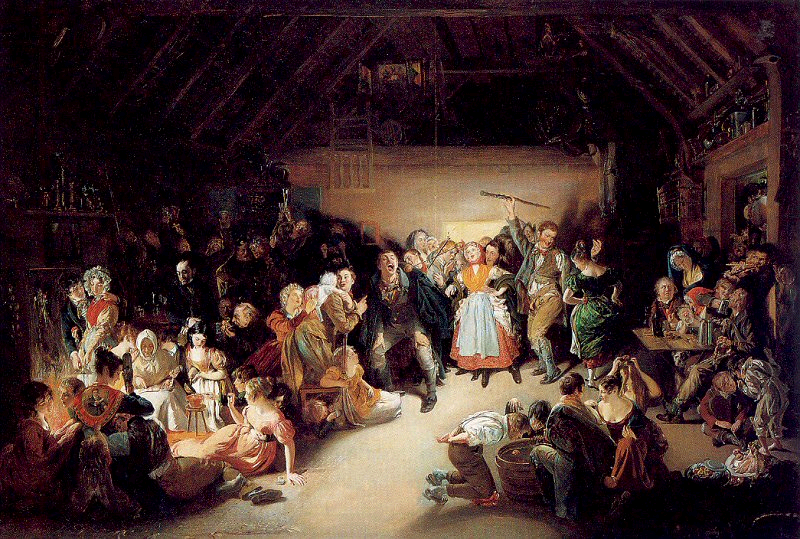
This article also uses an image from the Wikipedia article – Samhain – [Wikipedia-Article-Link: https://en.wikipedia.org/wiki/Samhain ] [Image: Snap-Apple Night (1833), painted by Daniel Maclise, shows people playing divination games on 31 October in Ireland] [Wikipedia-Image-Link: https://en.wikipedia.org/wiki/File:Snap-Apple_Night_globalphilosophy.PNG ] [The work (Image) is a faithful photographic reproduction of a two-dimensional, public domain work of art. The author died in 1870, so this work is in the public domain in its country of origin and other countries and areas where the copyright term is the life of author plus 100 years or fewer. This work is in the public domain in the United States because it was published (or registered with the U.S. Copyright Office) before January 1, 1930.] [Please Also Relate to Original Individual Text and Image URLs for More Usage Property and Sharing, Remixing or Attributing the Contents]
[Contents on Wikipedia is covered by – Disclaimer – Wikipedia-Disclaimer-Link: https://en.wikipedia.org/wiki/Wikipedia:General_disclaimer ] [Contents in this Website is also covered by Disclaimer linked at the bottom of the Page] [This website article means no intellectual appropriation by any way and only wishes to contribute in sharing of knowledge]
 Mythology, Legends, Folklore and Mysterious Things

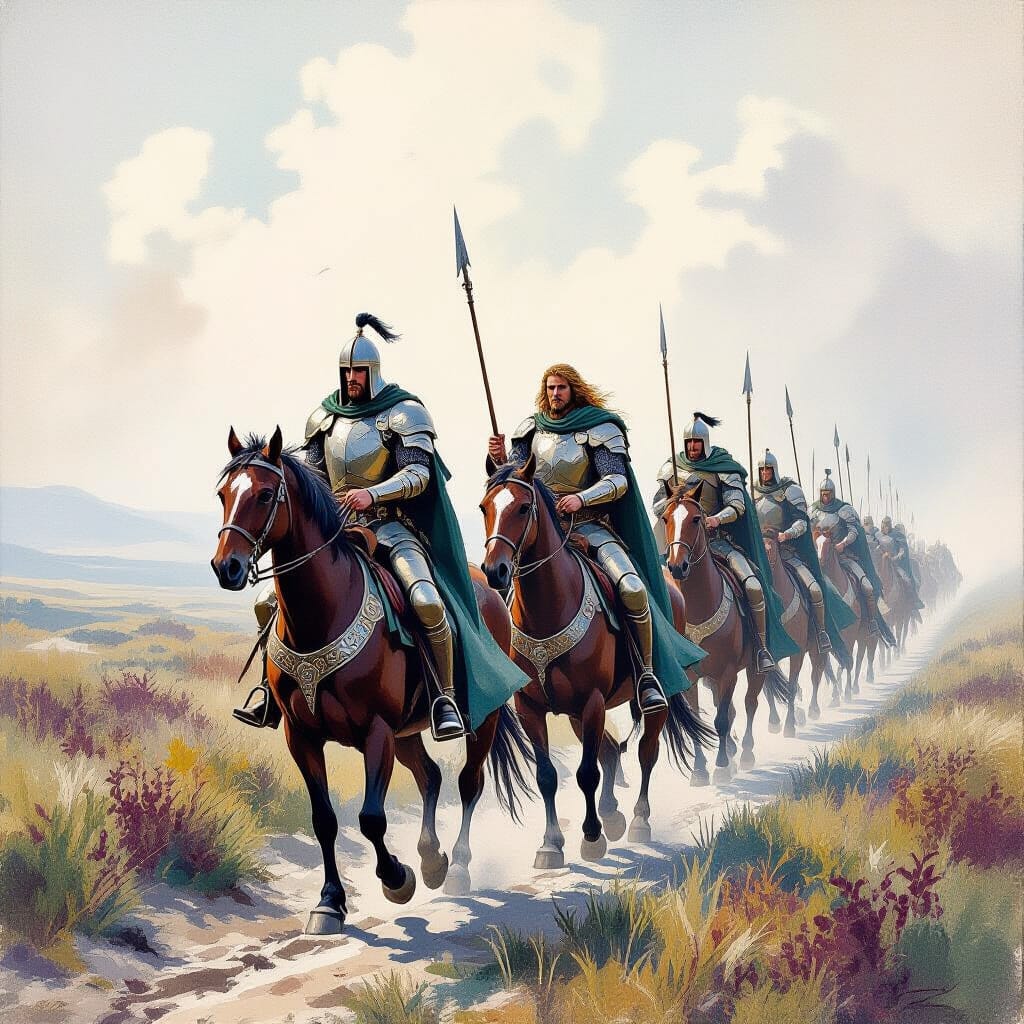
.jpg "One of the most well-known Bogatyrs or legendary warriors in Russian mythology is Dobrynya Nikitich. Although made up, this figure is based on Dobrynya, a historical warrior who commanded the forces of Svyatoslav the Great and educated his son Vladimir the Great. Dobrynya accomplishing the tasks giv")
Click on Images for Information