Mythology, Legends, Folklore and Mysterious Things  


Click on Images for Information


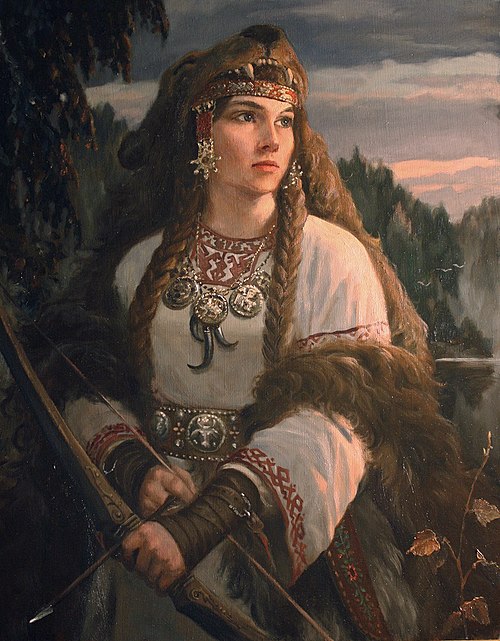
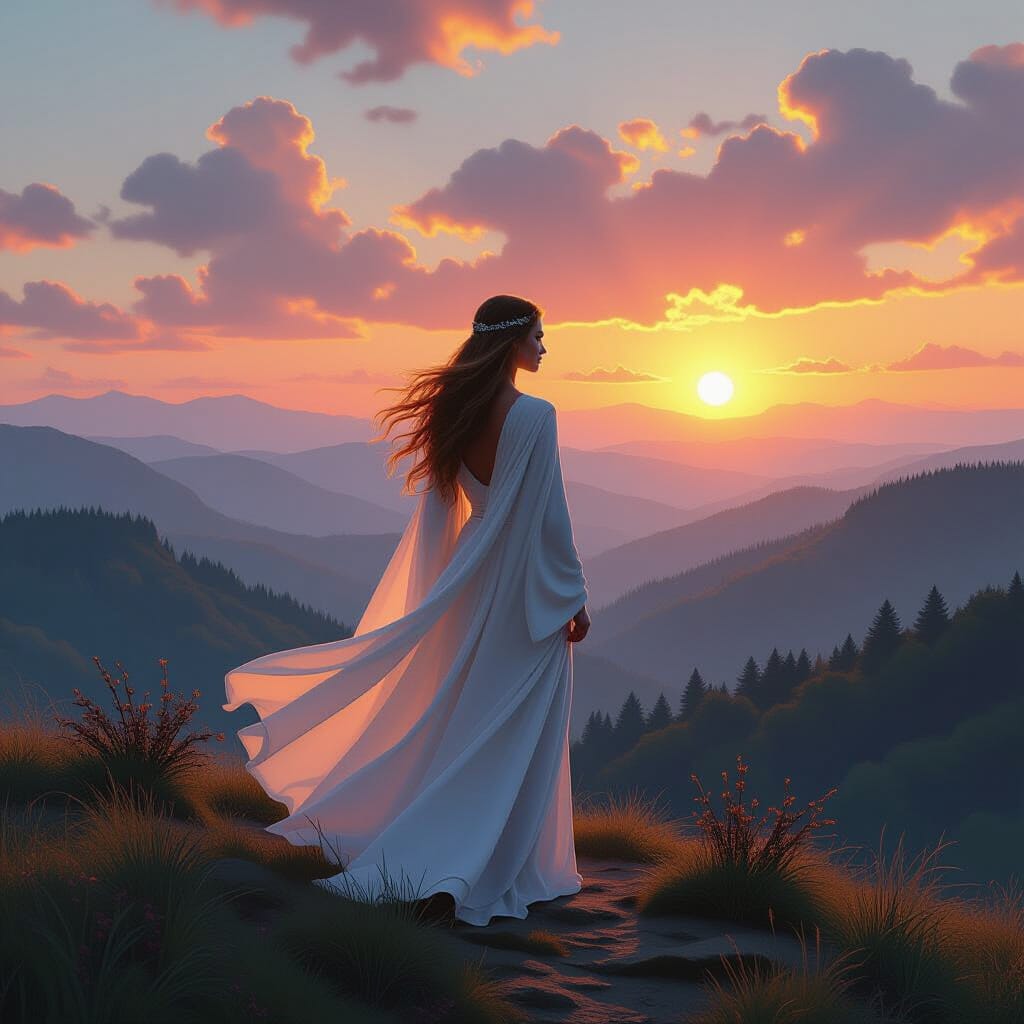
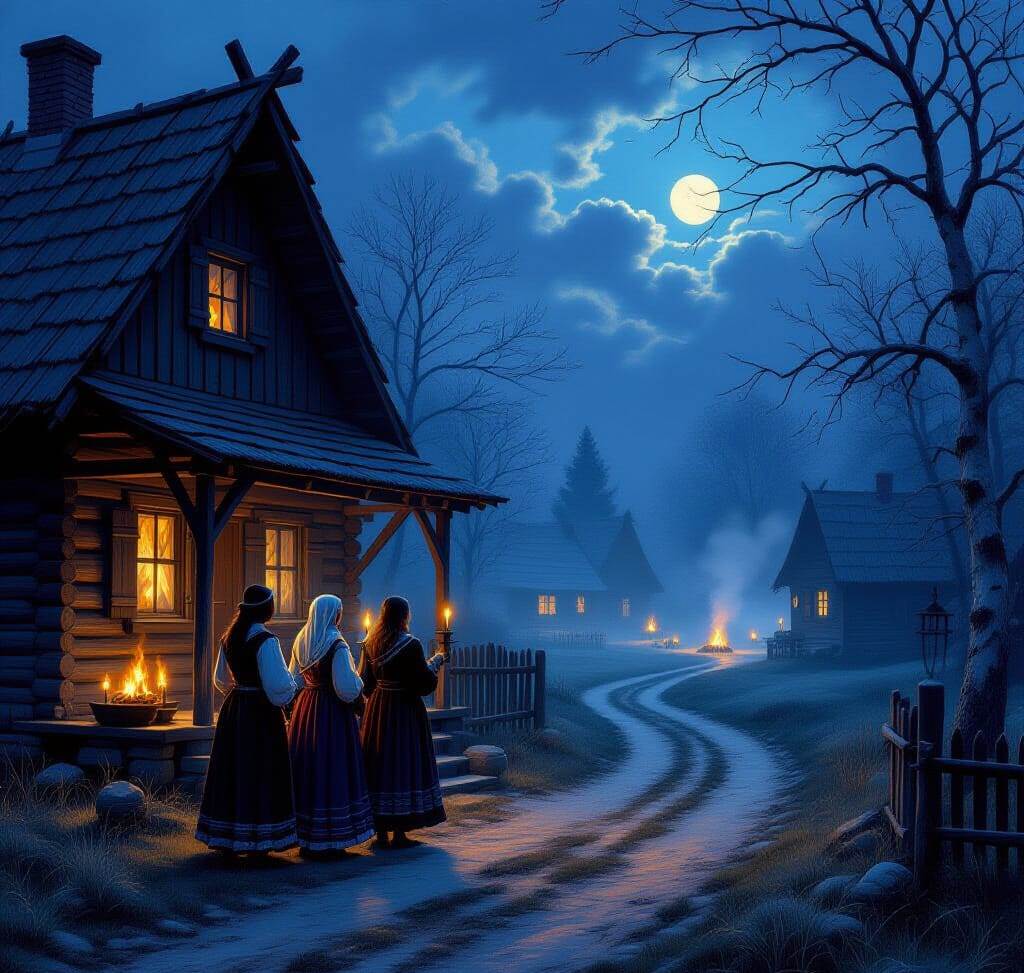
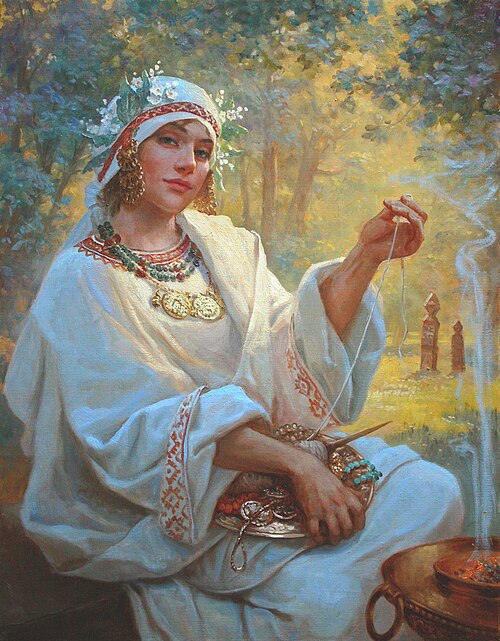
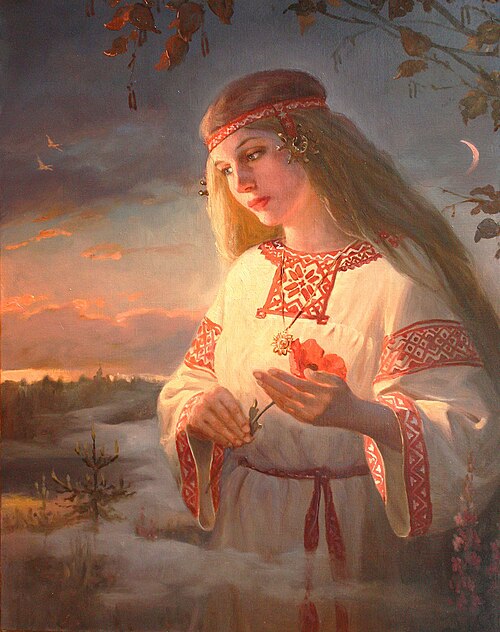
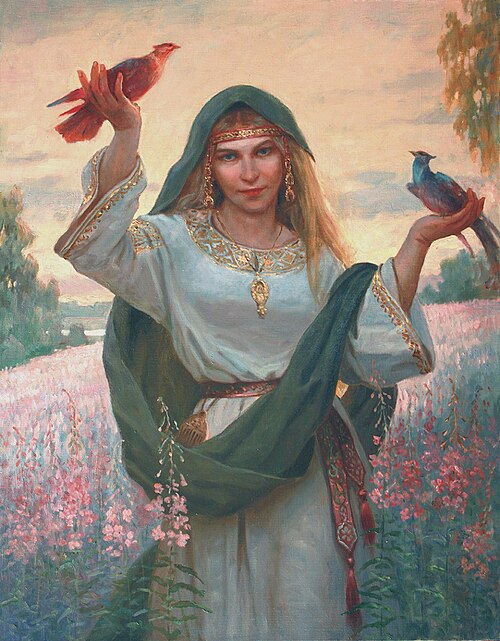
Dola represents personification of fate and destiny in human form and is historically connected to the Slavic words for division and part. Dola is a companion who is allotted to a person at birth and remains with him throughout life. It might have come from forefathers. Although usually unseen, it has occasionally taken on human or animal shape. Nedola, the personification of bad luck, stood in contrast to Dola, who was thought of as good fortune. Particularly invisible spirits or deities of fate in Slavic pre-Christian religion included the rozhanitsy, narecnitsy and sudzhenitsy. They are frequently mentioned alongside Rod and have to do with pregnancy, motherhood, marriage, and female ancestors. Typically, there were three of them together, but there were as many as nine, one of whom was a Queen or Singular. They have a connection to Dola, but it is unclear how. They were revered as zorze or auroras in Poland. Dolya, whose name denotes division, participation, and bad luck like in Nedolya, was thus also known as the personification of fortune among the Eastern Slavs. On the other hand, Sreća, whose name means Luck, is among the Serbs and Croats. Other characters, such as Boginki in Lesser Poland and Kraśniki in Pomerania, served as rozhanitsy in some parts of Poland. The Mothers of God or saintly women took the place of the rozhanitsy with the spread of Christianity. Parascheva, Anastasia, and Barbara are referenced in the Russian folktale charms of a maturing boy, as well as Mother of God in Bulgarian folklore. The roles of rozhanitsy were also taken over by angels or perhaps sometimes by Christ himself. Old Russian texts occasionally refer to Rod and Rodzanica as a pair, while Rozhanitsa is also mentioned as a single person. One such source is the Gesta regum Anglorum of the 12th century, which mentions the worship of Svetovid among the Slavs of the Elbe and compares him to the Roman Fortuna and the Greek Týchē. Fortuna is rendered as Rozhanitsa in the 13th-century Russian translation of this chronicle. In Southern Slavic folklore, rozhanitsy are either described as lovely young women or as kind-hearted old ladies. They may also appear as three ladies of varying ages, such as a young girl, an adult, and an elderly woman. They were regarded as having lovely faces with round, white cheeks by Southern Slavs. They were reported to be wearing all-white clothing, sporting white hats or mob caps, and wearing silver and gold jewelry. It was claimed that they held lit candles in their palms, which allowed moonlight to clearly see their outlines. They were referred to as old women or white-dressed virgins by the Czechs. They were reported to be tall and transparent, with pale cheeks, eyes that sparkled and charmed others, and exquisite stone-adorned hair. They were said to wear white bonnets or veils, just like the southern Slavs. According to legend, the Rozhanitsy looked after expectant mothers and decided the future of the child once it was born. Three days after the birth of the child, at midnight, the rozhanitsy came at its cradle, where they were meant to predict the future success or failure of the child. After deciding the fate of the child, it was preserved as an irremovable mark on the forehead. The views of the rozhanitsy about the destiny of the child were frequently in conflict. Hence the oldest parent made the final decision. The thread of life is spun by the first and youngest rozhanitsa, measured by the second, and severed by the third; the longer the thread, the longer is the life. Among southern Slavs, rozhanitsy and sudzhenitsy—who were supposed to manifest before death and at pivotal moments in life—were occasionally distinguished. Rozhanitsy were occasionally requested to shield the household from diseases as well.

This article uses text information from the Wikipedia article -- Deities_and_fairies_of_fate_in_Slavic_mythology -- [Wikipedia-Article-Link: https://en.wikipedia.org/wiki/Deities_and_fairies_of_fate_in_Slavic_mythology ] which is released under the -- Creative Commons Attribution-ShareAlike 4.0 License – [License-Link: https://en.wikipedia.org/wiki/Wikipedia:Text_of_the_Creative_Commons_Attribution-ShareAlike_4.0_International_License ] [List of Principal Authors (5 or less) of the Wikipedia-Article on the date of this Article being Created in this Website: - Sławobóg, KHR FolkMyth, QuartierLatin1968, Raschau, Lembit Staan] [Use the following Authorship tool to find out the author contributions:- https://xtools.wmcloud.org/authorship ] [The Current Article on this Website has been paraphrased from the above linked corresponding Wikipedia-Article and You may redistribute this, verbatim or modified, provided that you comply with the terms of the Creative Commons Attribution-ShareAlike 4.0 License] [License-Link: https://en.wikipedia.org/wiki/Wikipedia:Text_of_the_Creative_Commons_Attribution-ShareAlike_4.0_International_License ]

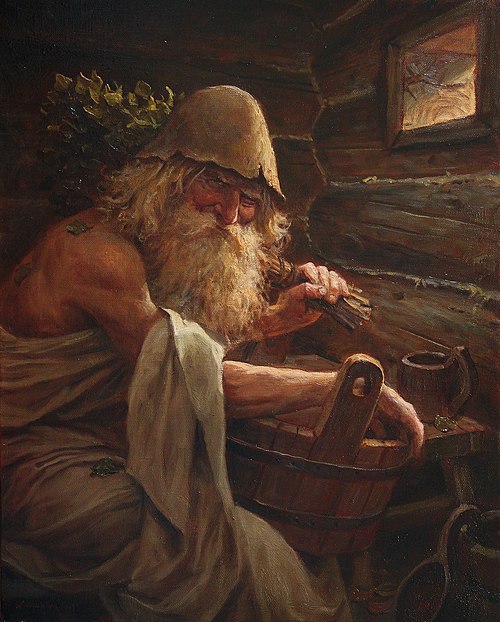
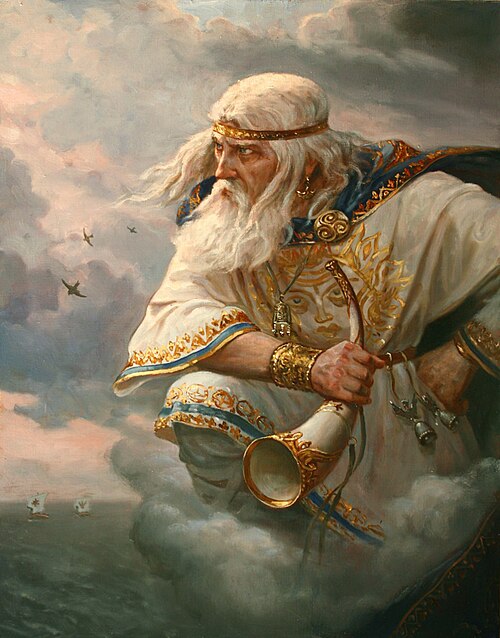
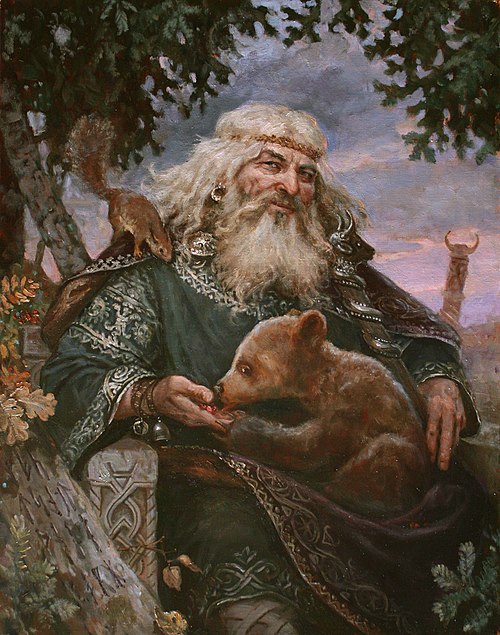
[Image: Srecha-Udacha by Andrey Shishkin] [Wikipedia-Image-Link: https://en.wikipedia.org/wiki/File:Srecha-Udacha_by_Andrey_Shishkin.jpg ] [Image Availed Under Creative Commons Attribution 3.0 Unported license] [License-Link: https://creativecommons.org/licenses/by/3.0/deed.en ] [You may copy, distribute and transmit the work (image) or remix the work (image) and attribute the work (image) with proper license link, complying with the terms of the Creative Commons Attribution 3.0 Unported license in distribution] [License-Link: https://creativecommons.org/licenses/by/3.0/deed.en ] [Please Also Relate to Original Individual Text and Image URLs for More Usage Property and Sharing, Remixing or Attributing the Contents]
[Contents on Wikipedia is covered by -- Disclaimer – [Wikipedia-Disclaimer-Link: https://en.wikipedia.org/wiki/Wikipedia:General_disclaimer ] [Contents in this Website is also covered by Disclaimer linked at the bottom of the Page] [This website article means no intellectual appropriation by any way and only wishes to contribute in sharing of knowledge]


  Mythology, Legends, Folklore and Mysterious Things  


Click on Images for Information



Disclaimer   Privacy Policy   Disclosure   User-Manual   Contact   About Us