Heritage Places, Castles & Architecture  


Click on Images for Information


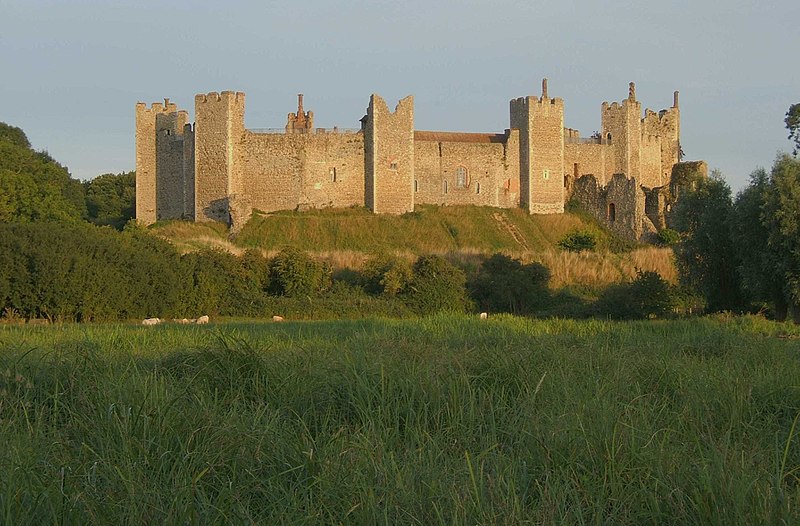
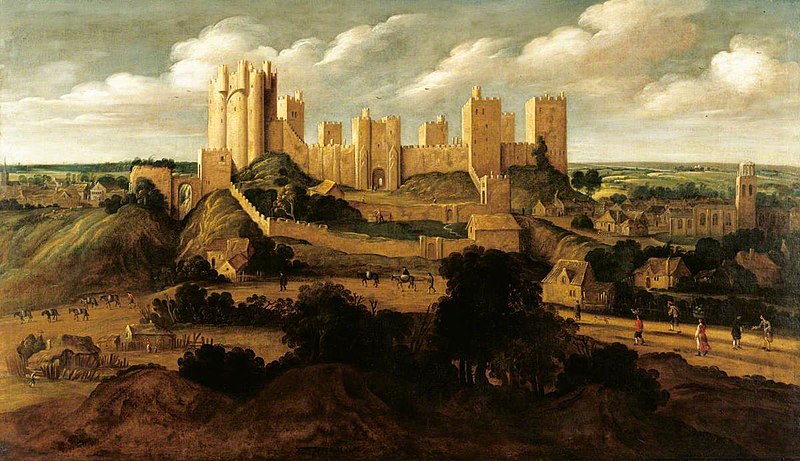
The castle ruin known as Pontefract Castle is located in the English West Yorkshire town of Pontefract. It is believed that King Richard II passed away there. It saw several well-known sieges during the English Civil War in the seventeenth century. Built in around 1070, Ilbert de Lacy built the castle atop a rock above All Saints Church, to the east of the town, on property that William the Conqueror had given him in exchange for his assistance during the Norman Conquest. Nonetheless, there is proof that the location was occupied in the past. The castle was originally made of wood, but over time, stone was added. Ilberts Castle was mentioned in the Domesday Survey of 1086, most likely referring to Pontefract Castle. In the 12th century, Robert de Lacy was not present to assist King Henry I when he was fighting his brother for control of the castle. For the Honour of Pontefract, Roger de Lacy gave King Richard I 3,000 marks, but the King kept the fortress. In 1199, the year John came to the throne, his successor King John awarded de Lacy the castle. Eldest son of John, Roger, succeeded him after his death in 1213. Nevertheless, Castle Donington and Pontefract Castle were seized by the King. Up until the early 14th century, the de Lacy family resided in the fortress. During the tenure of the de Lacys, the beautiful multilobate donjon was constructed. The estates of the House of Lancaster inherited the castle by marriage in 1311. Six days following his defeat at the Battle of Boroughbridge, Thomas, Earl of Lancaster, 1278–1322, was executed outside the castle walls as a result of a sentence imposed on him in the great hall by King Edward II. Because of this, the earl was martyred and his tomb at Pontefract Priory was turned into a shrine. The third son of King Edward III, John of Gaunt, received it after Henry, Duke of Lancaster. He turned the castle into his own home and lavished enormous sums of money on renovations. On June 25, 1483 in Pontefract Castle, brother of Elizabeth Woodville i.e. Anthony Woodville, 2nd Earl Rivers and her son Sir Richard Grey were murdered by Richard III. Thomas Darcy, 1st Baron Darcy de Darcy, the custodian of the castle, gave the castle to the organizers of the Pilgrimage of Grace, a northern English Catholic uprising against King Henry VIII, in 1536. Because the monarch considered purported surrender of Lord Darcy to be treasonous, he was put to death. The fortress was occupied by King Henry VIII of England, who arrived on August 23, 1541, as part of his summer royal tour of the North. King James visited Pontefract Castle on April 19, 1603, while traveling south to London, and spent the night at the Bear Inn in Doncaster. The castle was part of English jointure property of his wife Anne of Denmark. At the outset of the English Civil War, Pontefract Castle was under the control of Royalists. December 1644 saw the start of the first of three sieges, which lasted until March 1644, when Marmaduke Langdale, 1st Baron Langdale of Holme, came with Royalist reinforcements and the Parliamentarian army withdrew. Artillery and mining activities during the siege caused damage, which led to the collapse of the Piper Tower. Oliver Cromwell led the last siege of Pontefract Castle in November 1648. Charles I was put to death in January. The defenders at Pontefract reached an agreement, and on March 24, 1649, Colonel Morrice turned over the castle to Major General John Lambert. On March 27, Parliament issued an order directing that Pontefract Castle be completely destroyed, leveled to the ground, and its belongings sold off. Tearing down the castle slowly after the main organized activity of slighting may have added to its ruinous state. Nonetheless, visitors can still tour the 11th-century cellars of the castle, which were used for keeping military hardware during the Civil War. #History #Architecture #Castles

This article uses text information from the Wikipedia article -- Pontefract_Castle -- [Wikipedia-Article-Link : https://en.wikipedia.org/wiki/Pontefract_Castle ] which is released under the -- Creative Commons Attribution-ShareAlike License 4.0 -- [License-Link: https://en.wikipedia.org/wiki/Wikipedia:Text_of_the_Creative_Commons_Attribution-ShareAlike_4.0_International_License ] [List of Principal Authors (5 or less) of the Wikipedia-Article on the date of this Article being Created in this Website : - Richard Nevell , Nev1 , J3Mrs , ColinFine , 5.66.140.100] [Use the following Authorship tool to find out the author contributions :- https://xtools.wmcloud.org/authorship ] [The Current Article on this Website has been paraphrased from the above linked corresponding Wikipedia-Article and You may redistribute this, verbatim or modified, provided that you comply with the terms of the Creative Commons Attribution-ShareAlike License 4.0] [License-Link: https://en.wikipedia.org/wiki/Wikipedia:Text_of_the_Creative_Commons_Attribution-ShareAlike_4.0_International_License ]

This article also uses an image from the Wikipedia article -- Pontefract_Castle -- [Wikipedia-Article-Link : https://en.wikipedia.org/wiki/Pontefract_Castle ] [Image : Early 17th-century painting of Ponterfract Castle in the Pontefract Castle Museum by Alexander Keirincx] [Wikipedia-Image-Link: https://en.wikipedia.org/wiki/File:Pontefract_Castle.jpg ] [The Work (Image) is a faithful photographic reproduction of a two-dimensional, public domain work of art. The author died in 1652, so this work is in the public domain in its country of origin and other countries and areas where the copyright term is the life of author plus 100 years or fewer. This work is in the public domain in the United States because it was published (or registered with the U.S. Copyright Office) before January 1, 1929.] [Please Also Relate to Original Individual Text and Image URLs for More Usage Property and Sharing, Remixing or Attributing the Contents]
[Contents on Wikipedia is covered by -- Disclaimer -- [Wikipedia-Disclaimer-Link: https://en.wikipedia.org/wiki/Wikipedia:General_disclaimer ] [Contents in this Website is also covered by Disclaimer linked at the bottom of the Page]  [This website article means no intellectual appropriation by any way and only wishes to contribute in sharing of knowledge]


  Heritage Places, Castles & Architecture  


Click on Images for Information



Disclaimer   Privacy Policy   Disclosure   User-Manual   Contact   About Us