 Heritage Places, Castles & Architecture
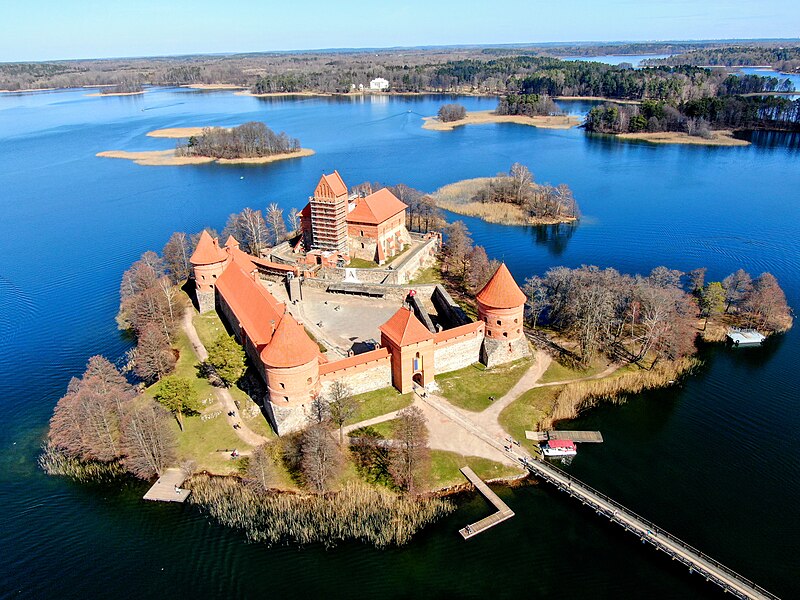
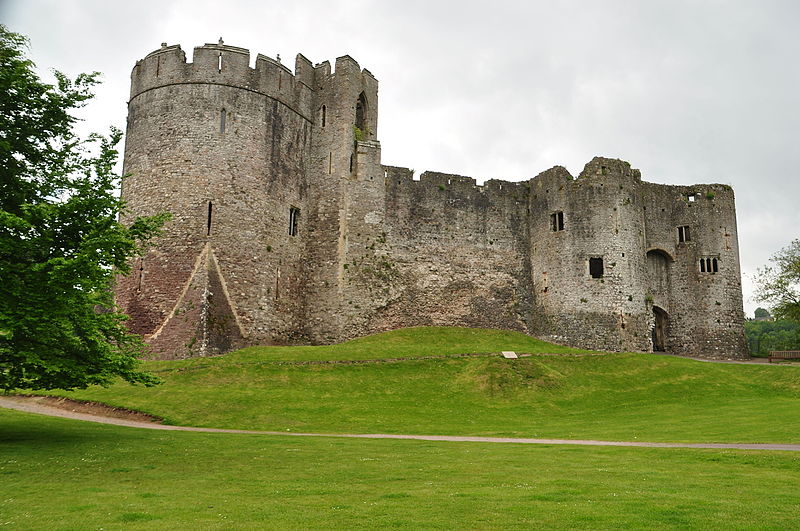
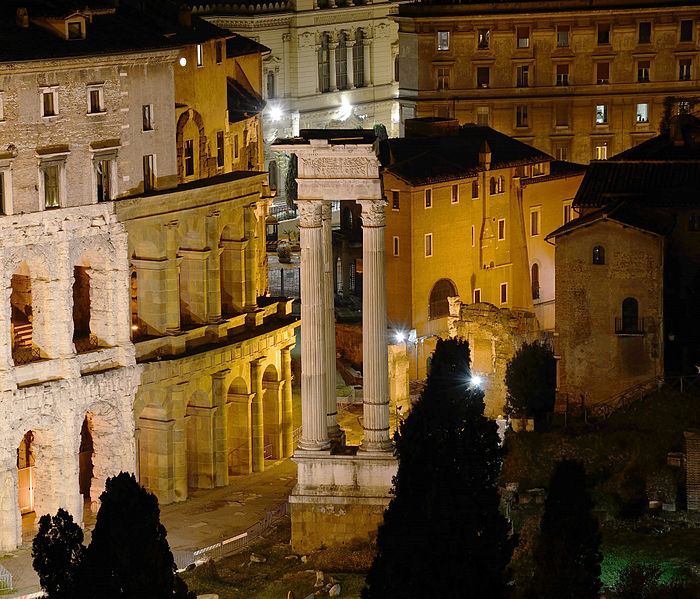
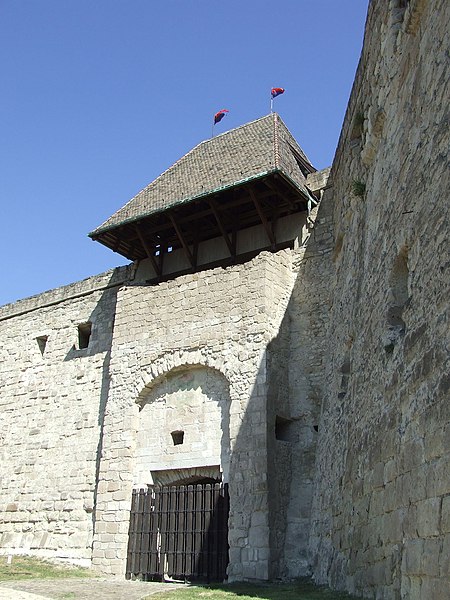
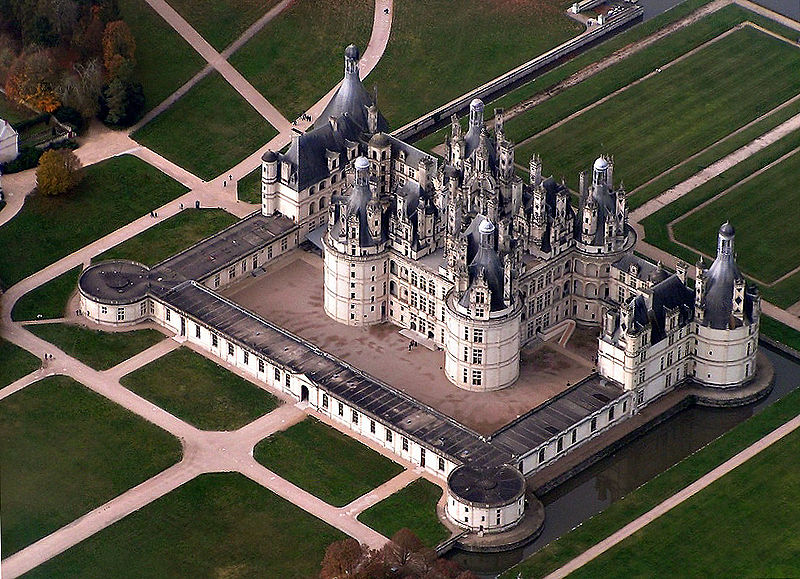
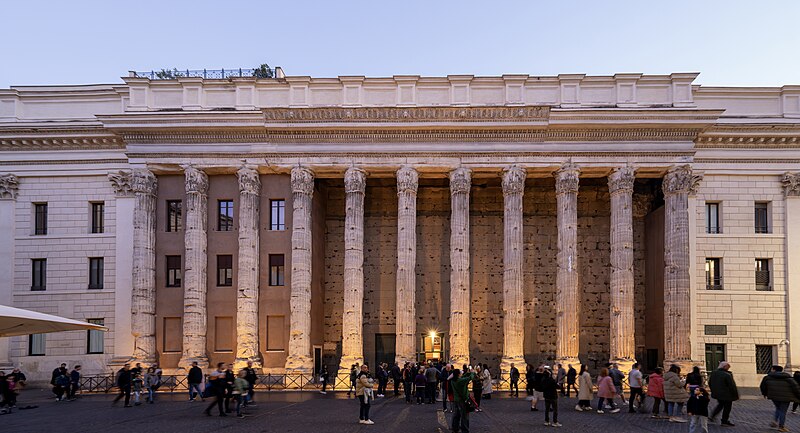
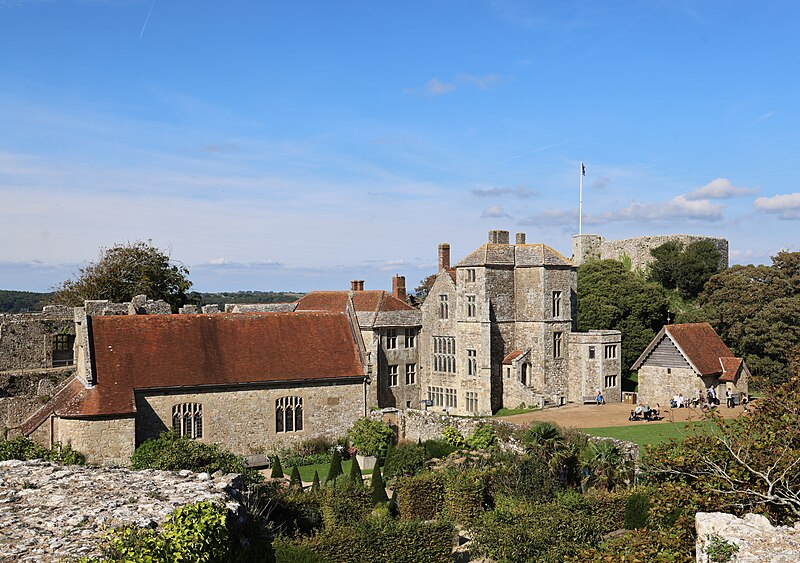
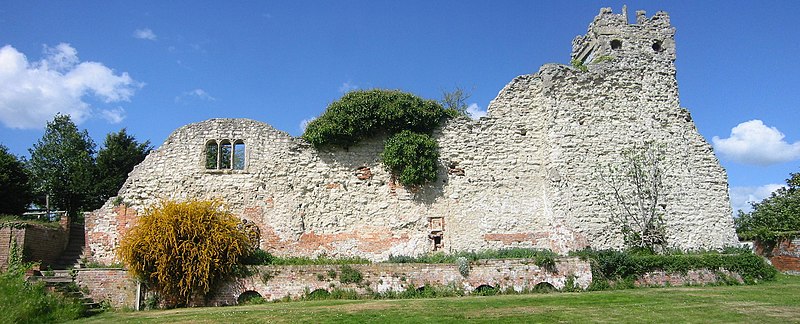
.jpg "The very well preserved Greek temple devoted to Hephaestus is the Temple of Hephaestus, and it is still almost completely intact today. Situated atop the Agoraios Kolonos hill, to the northwest of Agora of Athens, is a Doric peripteral temple. It functioned as Greek Orthodox church of Saint George A")
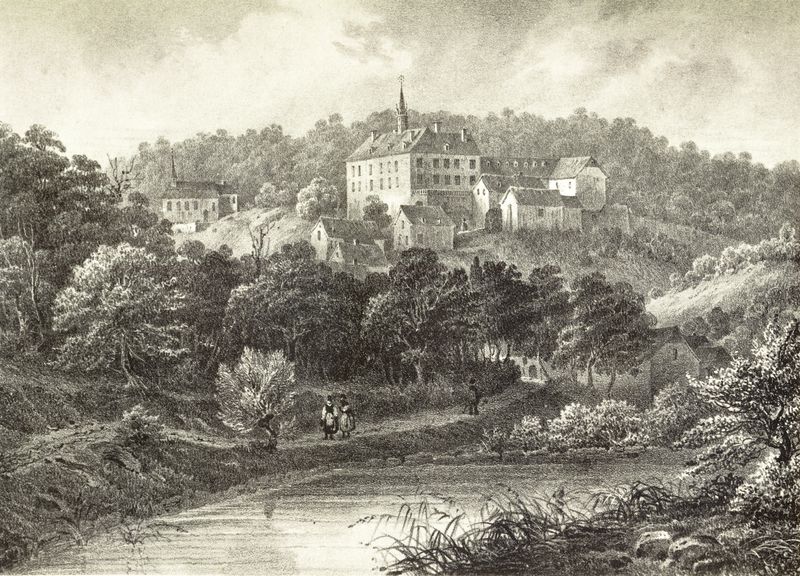
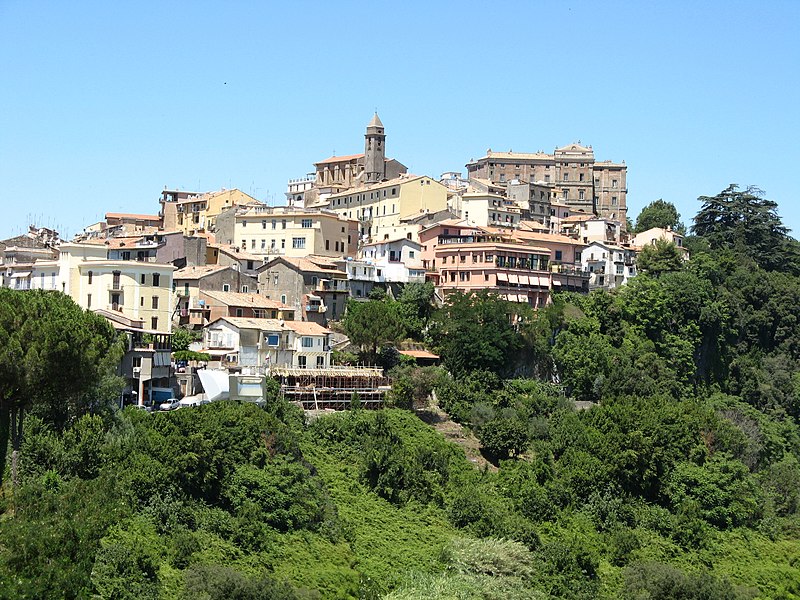
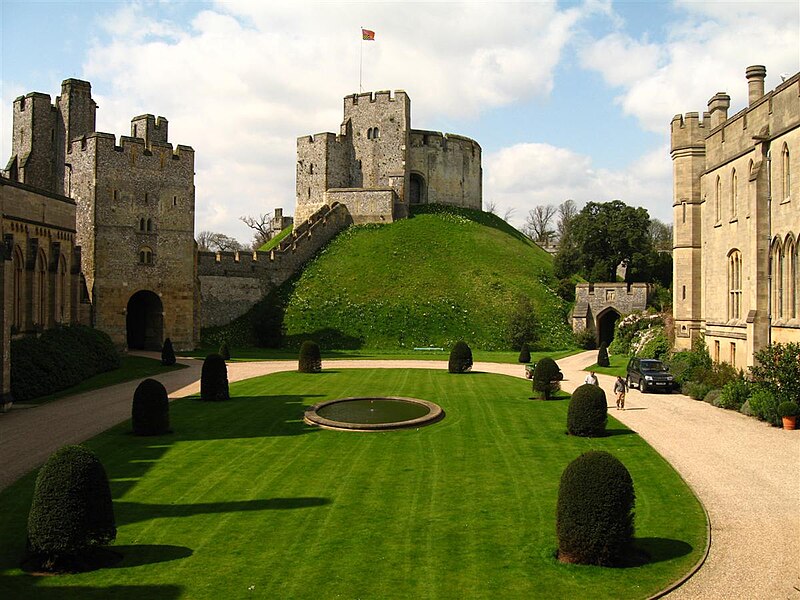
Click on Images for Information


@Heritage Places, Castles & Architecture
27-May-2024 08 pm
27-May-2024 08 pm
This article uses text information from the Wikipedia article -- Caernarfon_Castle -- [Wikipedia-Article-Link : https://en.wikipedia.org/wiki/Caernarfon_Castle ] which is released under the -- Creative Commons Attribution-ShareAlike License 4.0 -- [License-Link: https://en.wikipedia.org/wiki/Wikipedia:Text_of_the_Creative_Commons_Attribution-ShareAlike_4.0_International_License ] [List of Principal Authors (5 or less) of the Wikipedia-Article on the date of this Article being Created in this Website : - Nev1 , Hchc2009 , Peter K Burian , InternetArchiveBot , Richard Nevell] [Use the following Authorship tool to find out the author contributions :- https://xtools.wmcloud.org/authorship ] [The Current Article on this Website has been paraphrased from the above linked corresponding Wikipedia-Article and You may redistribute this, verbatim or modified, provided that you comply with the terms of the Creative Commons Attribution-ShareAlike License 4.0 ] [License-Link: https://en.wikipedia.org/wiki/Wikipedia:Text_of_the_Creative_Commons_Attribution-ShareAlike_4.0_International_License ]
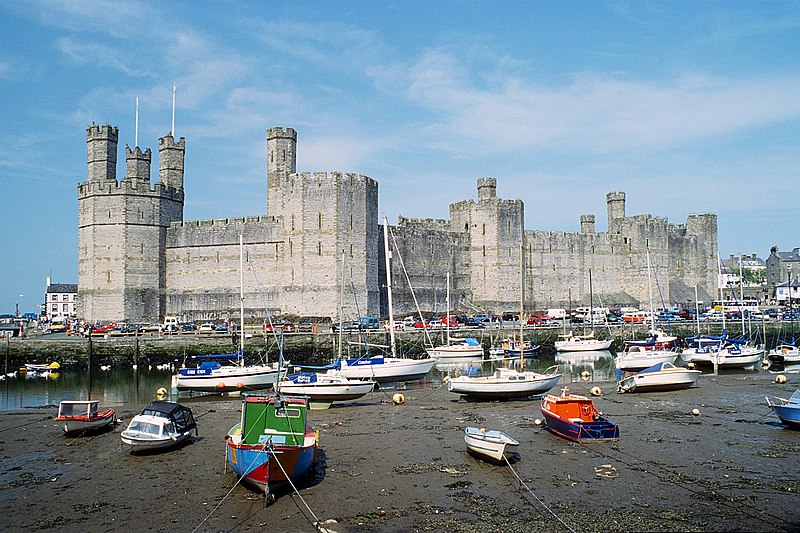
This article also uses an image from the Wikipedia article -- Caernarfon_Castle -- [Wikipedia-Article-Link : https://en.wikipedia.org/wiki/Caernarfon_Castle ] [Image : View of the Caernarfon castle across the Seiont River; Wikipedia-Image-Author : Herbert Ortner] [Wikipedia-Image-Link: https://en.wikipedia.org/wiki/File:Caernarfon_Castle_1994.jpg ] [Image Availed Under Creative Commons Attribution 4.0 International License;] [License-Link : https://creativecommons.org/licenses/by/4.0/deed.en ] [You may copy, distribute and transmit the work (image) or remix the work (image) with proper attributions, provided that you comply with the terms of the Creative Commons Attribution 4.0 International License in distribution] [License-Link : https://creativecommons.org/licenses/by/4.0/deed.en ] [Please Also Relate to Original Individual Text and Image URLs for More Usage Property and Sharing, Remixing or Attributing the Contents]
[Contents on Wikipedia is covered by -- Disclaimer -- [Wikipedia-Disclaimer-Link: https://en.wikipedia.org/wiki/Wikipedia:General_disclaimer ] [Contents in this Website is also covered by Disclaimer linked at the bottom of the Page] [This website article means no intellectual appropriation by any way and only wishes to contribute in sharing of knowledge]
 Heritage Places, Castles & Architecture
Click on Images for Information