Heritage Places, Castles & Architecture  


Click on Images for Information


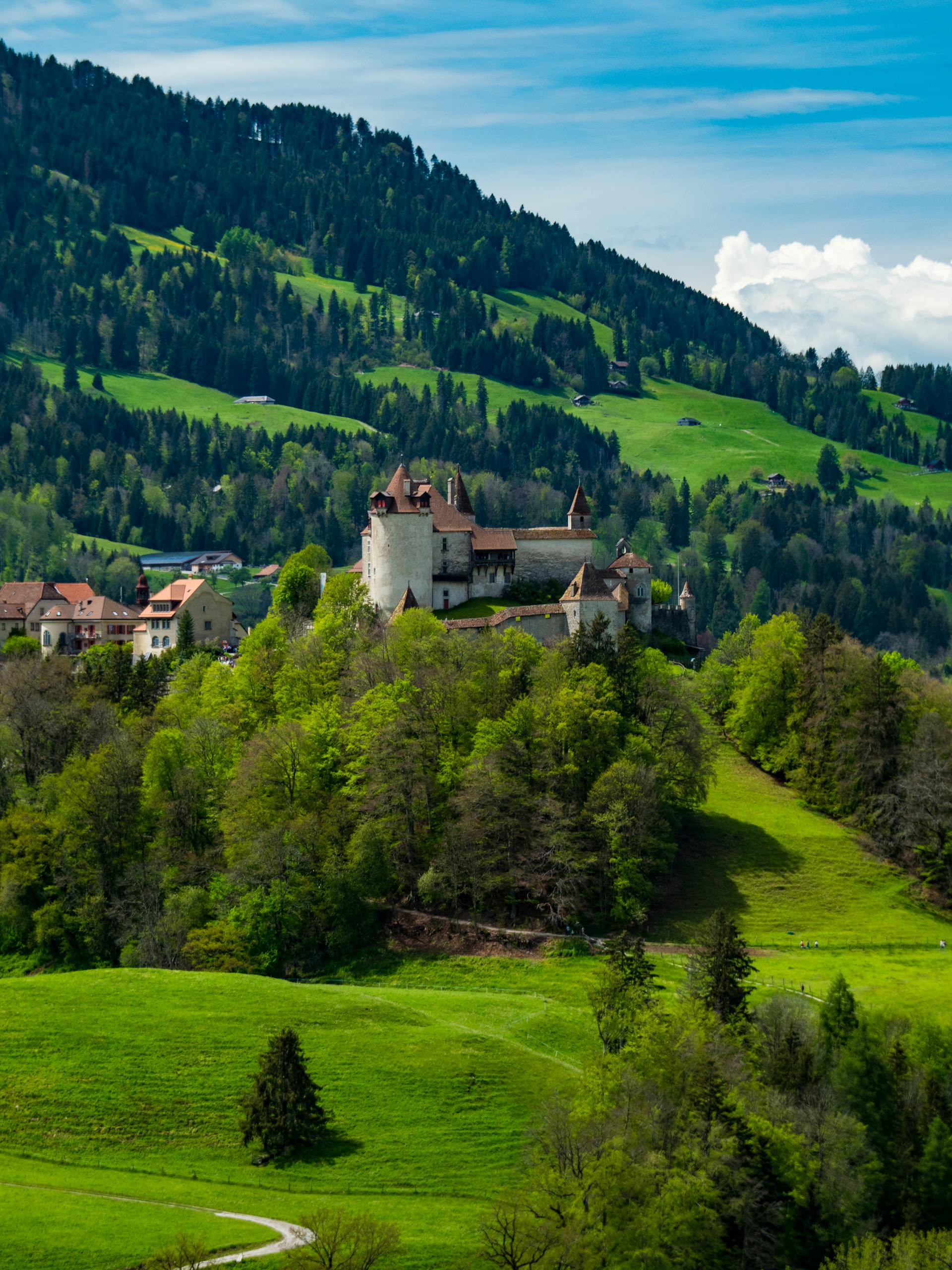
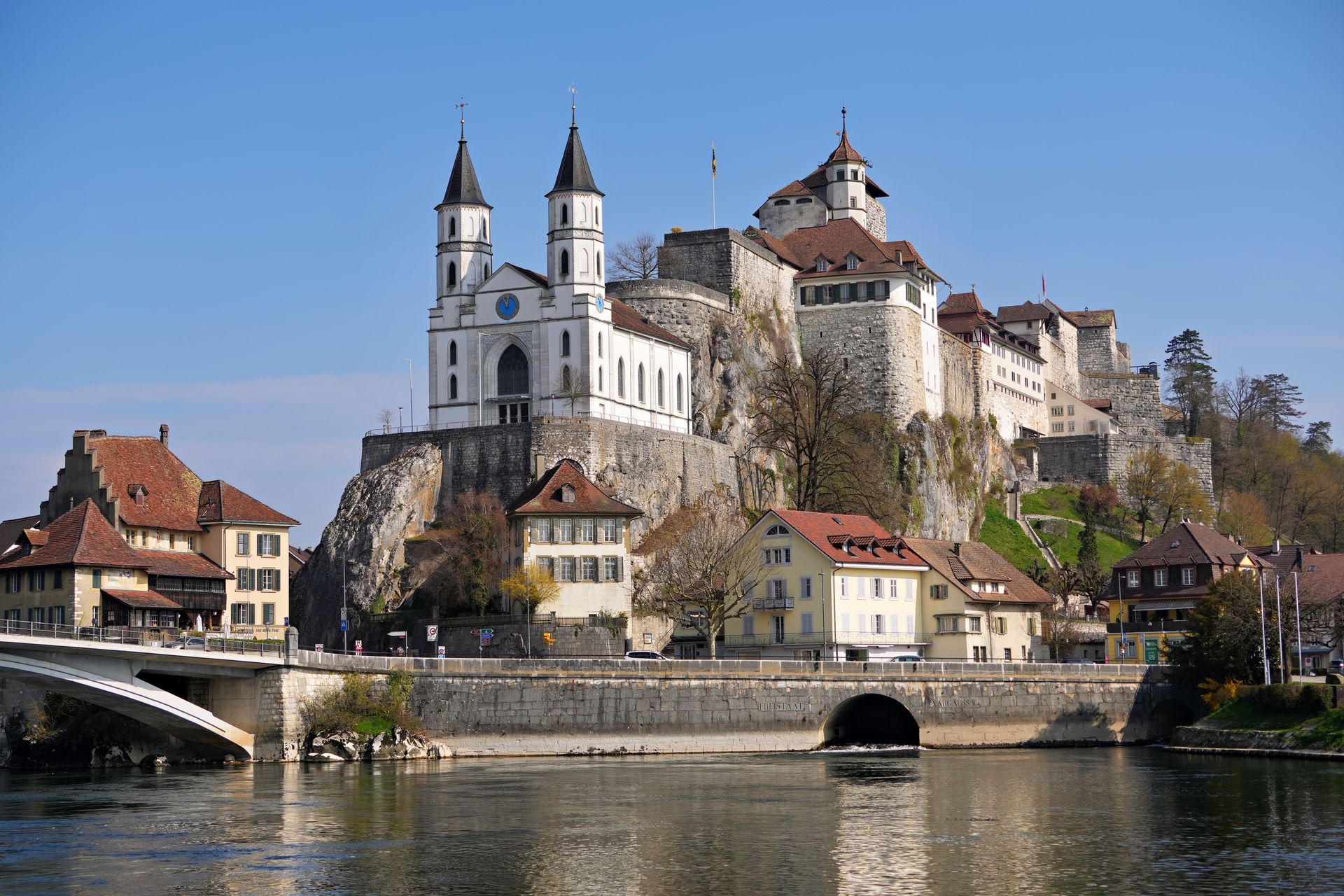
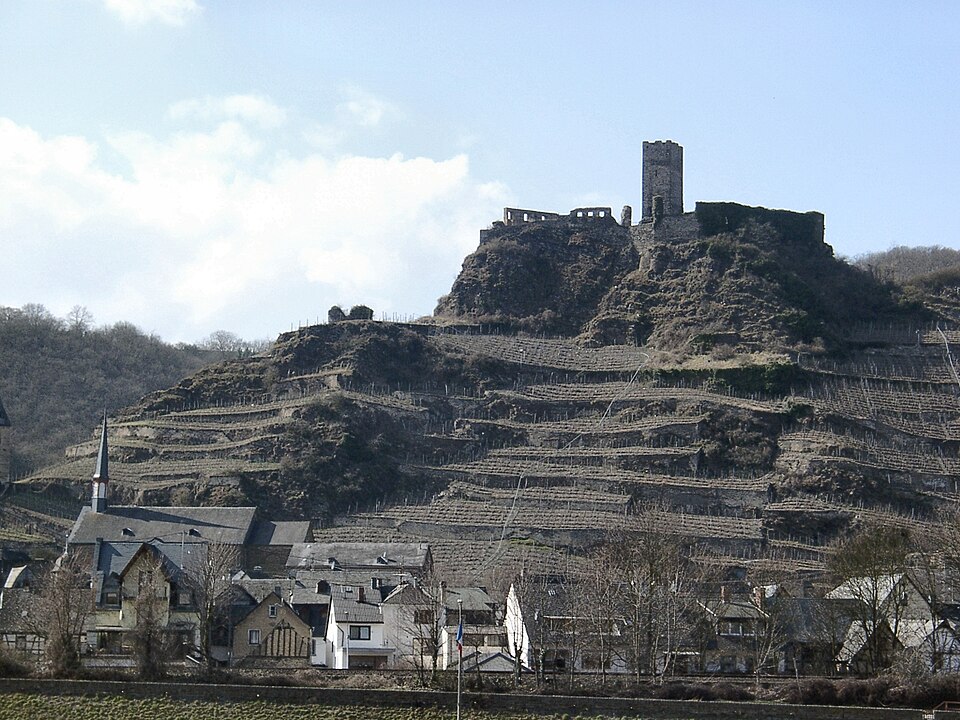
Aarburg Castle is situated in the municipality of Aarburg within the canton of Aargau, Switzerland. The precise year of its construction remains uncertain; however, it is believed to have been erected around the year 1200 by the Lords of Büron. The castle is perched on a steep, rocky hillside, overlooking the town of Aarburg. It was constructed around an earlier medieval fortification that controlled a strategic point along the Aare River and served as the administrative seat for the Aarburg Vogt. The core of the castle was constructed on a narrow, elongated ridge. This core included a keep and a tower house dating back to the thieteenth century. The castle is documented in the early thirteenth century as being under the ownership of the Counts of Frohburg. The establishment of the Vogtei was intended to enhance the oversight and regulation of the vital north-south trade route traversing the Aare River. The Vogtei, which refers to a bailiff or vogt, functioned as an overlord, providing guardianship, military defense, and secular justice over a designated area. Alongside the residence of Vogt, the high court was also convened at the castle. The administrative jurisdiction encompassed the western section of what is now District Zofingen, excluding the city of Zofingen itself. In 1299, the Frohburg family transferred ownership of the castle and the entire Vogtei to the Habsburgs. Following approximately 1330, the castle became the residence of the von Kriech family, a minor noble lineage serving the Habsburgs. On April 20, 1415, the castle was captured after a brief siege by the forces of Bern. The Bernese subsequently assumed control of both the lower and high courts. Beginning in 1416, a Bernese bailiff took residence in the castle, overseeing the entirety of the Bernese Aargau. It was only later, after Bern had curtailed the privileges of the nobility and clergy, that additional bailiwicks were incorporated. The castle underwent several expansions, the first of which involved the reconstruction of the palace in 1470. Further alterations in the 16th and particularly the 17th centuries culminated in the development of the grand baroque structure. This architectural enhancement aimed to safeguard the connection between the Protestant cities of Bern and Zurich at the narrowest point of the Bernese dominion, thereby complicating potential assaults from Catholic adversaries. Since 1666, the fortress has been continuously occupied by a garrison, with the governor serving as the same commander. A section of the fortress was designated as a prison, particularly for political detainees. In 1804, the newly established Canton of Aargau assumed control of the castle. Initially, it functioned as an arsenal and barracks, and from 1826 to 1864, it served as a prison before being left in a state of abandonment. Today, it is recognized as a Swiss heritage site of national importance. Currently, it accommodates the Kantonale Jugendheim, which is responsible for the detention and rehabilitation of juvenile offenders. #History #Architecture #Castles

This article uses text information from the Wikipedia article – Aarburg_Castle – [Wikipedia-Article-Link: https://en.wikipedia.org/wiki/Aarburg_Castle ] which is released under the -- Creative Commons Attribution-ShareAlike 4.0 License – [License-Link: https://creativecommons.org/licenses/by-sa/4.0/deed.en ( https://en.wikipedia.org/wiki/Wikipedia:Text_of_the_Creative_Commons_Attribution-ShareAlike_4.0_International_License )] and additional terms may apply. [List of Principal Authors (5 or less) of the Wikipedia-Article on the date of this Article being Created in this Website: - Tobyc75, InternetArchiveBot, AnomieBOT, GreenC bot, SimLibrarian] [Use the following Authorship tool to find out the author contributions:- https://xtools.wmcloud.org/authorship ] [The Current Article on this Website has been paraphrased from the above linked corresponding Wikipedia-Article and You may redistribute this, verbatim or modified, provided that you comply with the terms of the Creative Commons Attribution-ShareAlike 4.0 License]  [License-Link: https://creativecommons.org/licenses/by-sa/4.0/deed.en ( https://en.wikipedia.org/wiki/Wikipedia:Text_of_the_Creative_Commons_Attribution-ShareAlike_4.0_International_License )]

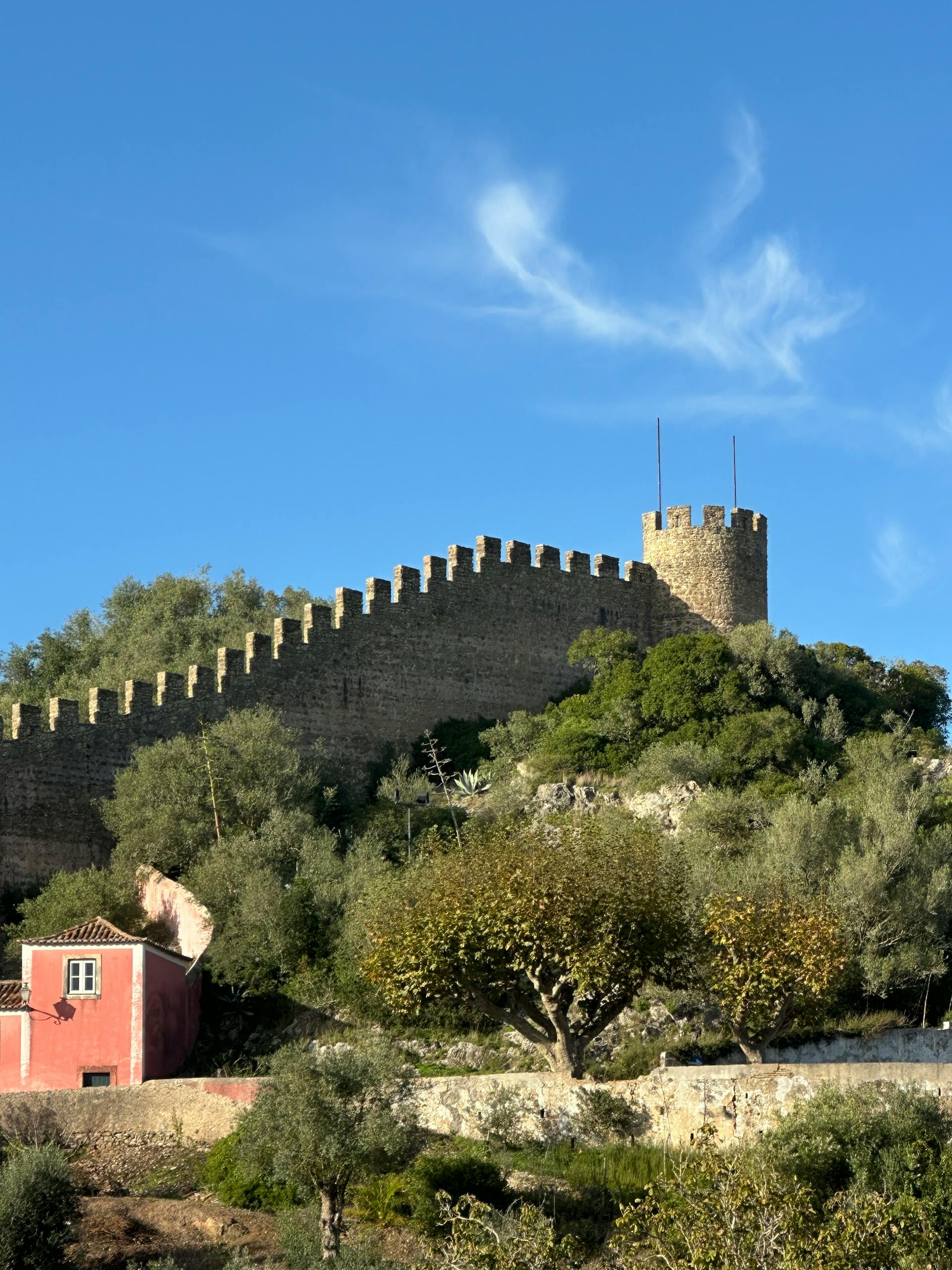
[Image: Aarburg Castle overlooking the Aare River, surrounded by historic buildings under a clear blue sky; Image-Author: Beat Bieri] [Image-Source-Link: https://www.pexels.com/photo/aarburg-castle-with-scenic-riverside-view-36674455/ ] [License-Link: https://www.pexels.com/license/ ] [Please Also Relate to Original Individual Text and Image URLs for More Usage Property and Sharing, Remixing or Attributing the Contents] [Contents on Wikipedia is covered by – Disclaimer – [Wikipedia-Disclaimer-Link : https://en.wikipedia.org/wiki/Wikipedia:General_disclaimer ] [Contents in this Website is also covered by Disclaimer linked at the bottom of the Page] [This website article means no intellectual appropriation by any way and only wishes to contribute in sharing of knowledge]


  Heritage Places, Castles & Architecture  


Click on Images for Information



Disclaimer   Privacy Policy   Disclosure   User-Manual   Contact   About Us