Heritage Places, Castles & Architecture  


Click on Images for Information


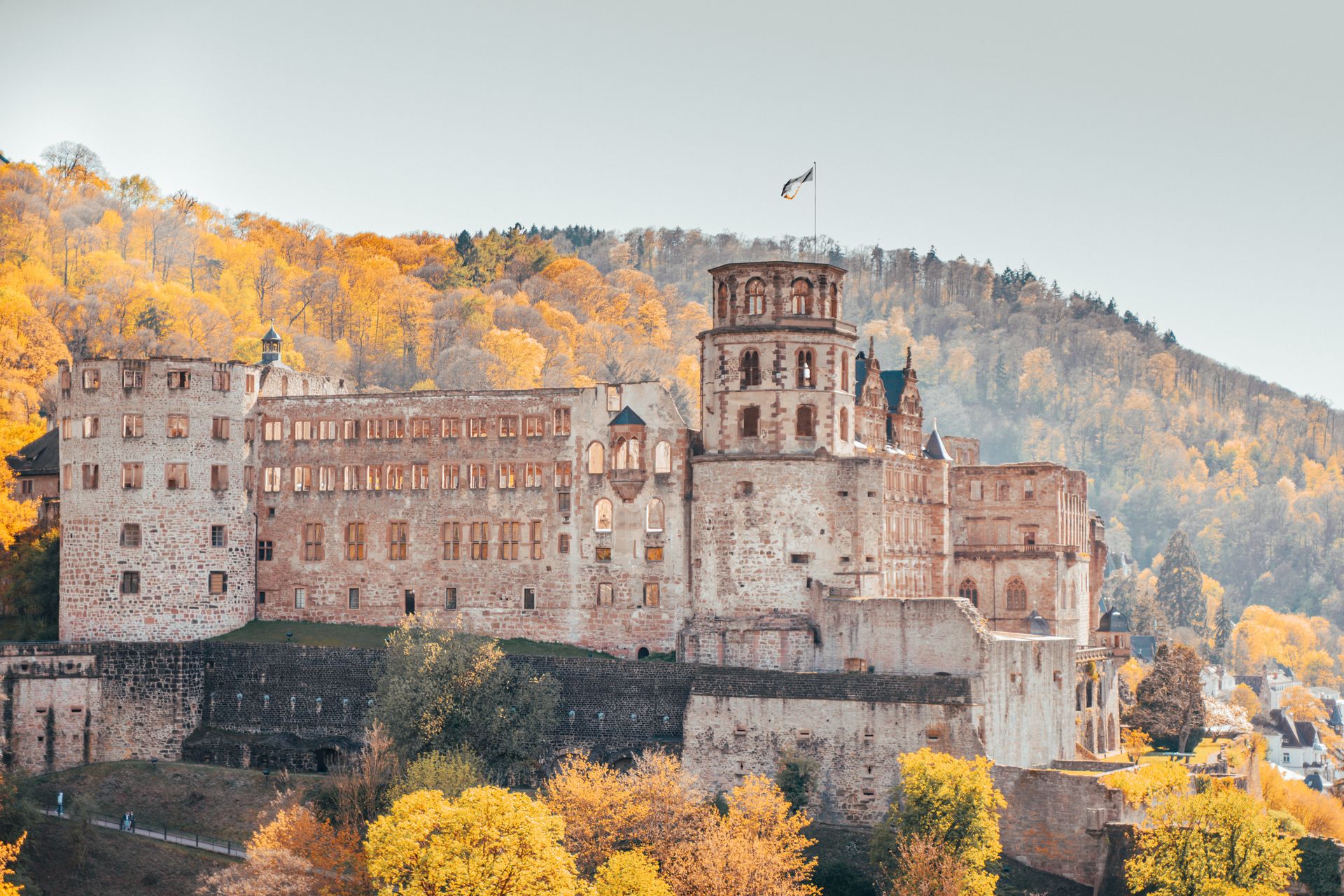
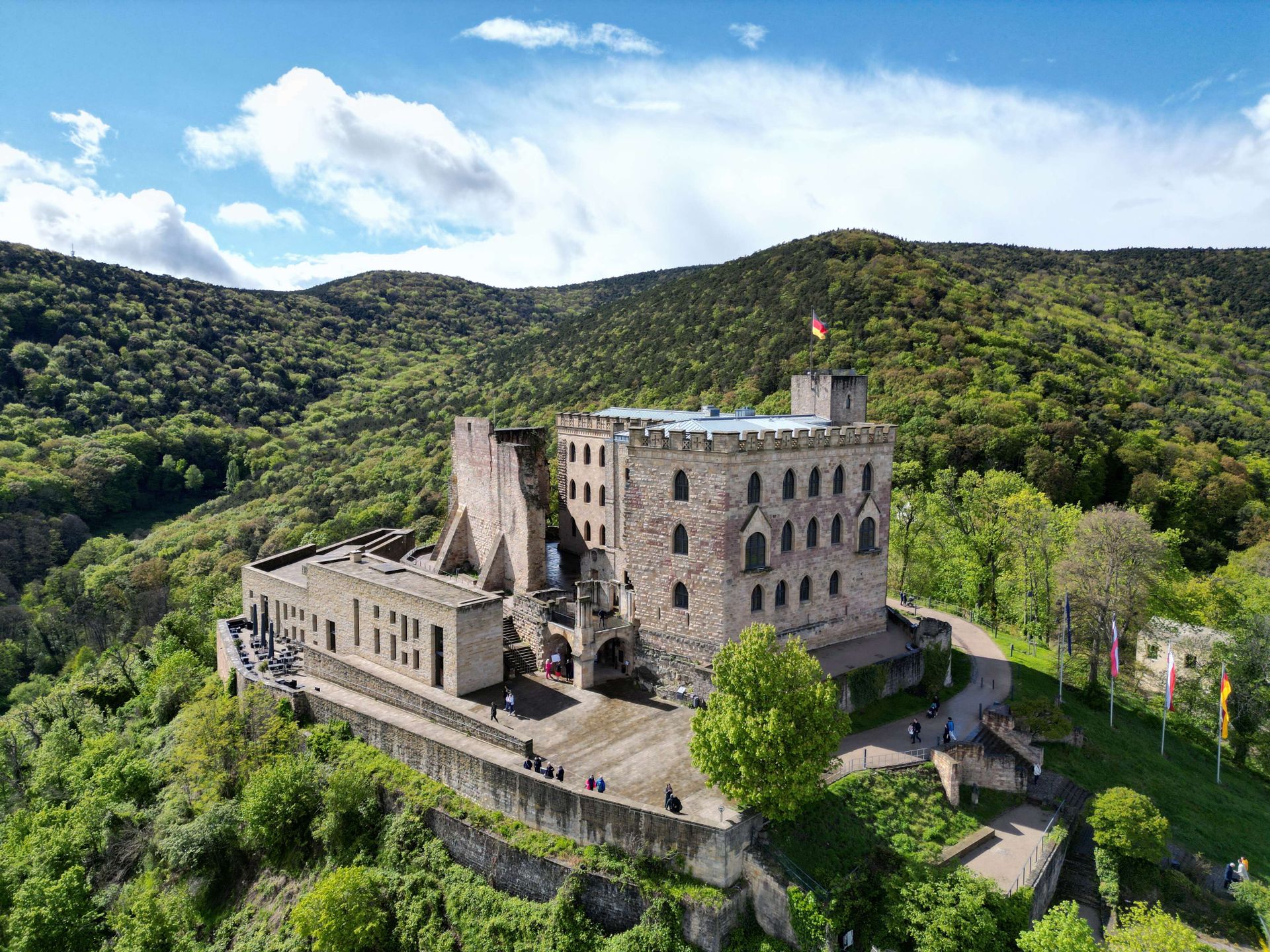
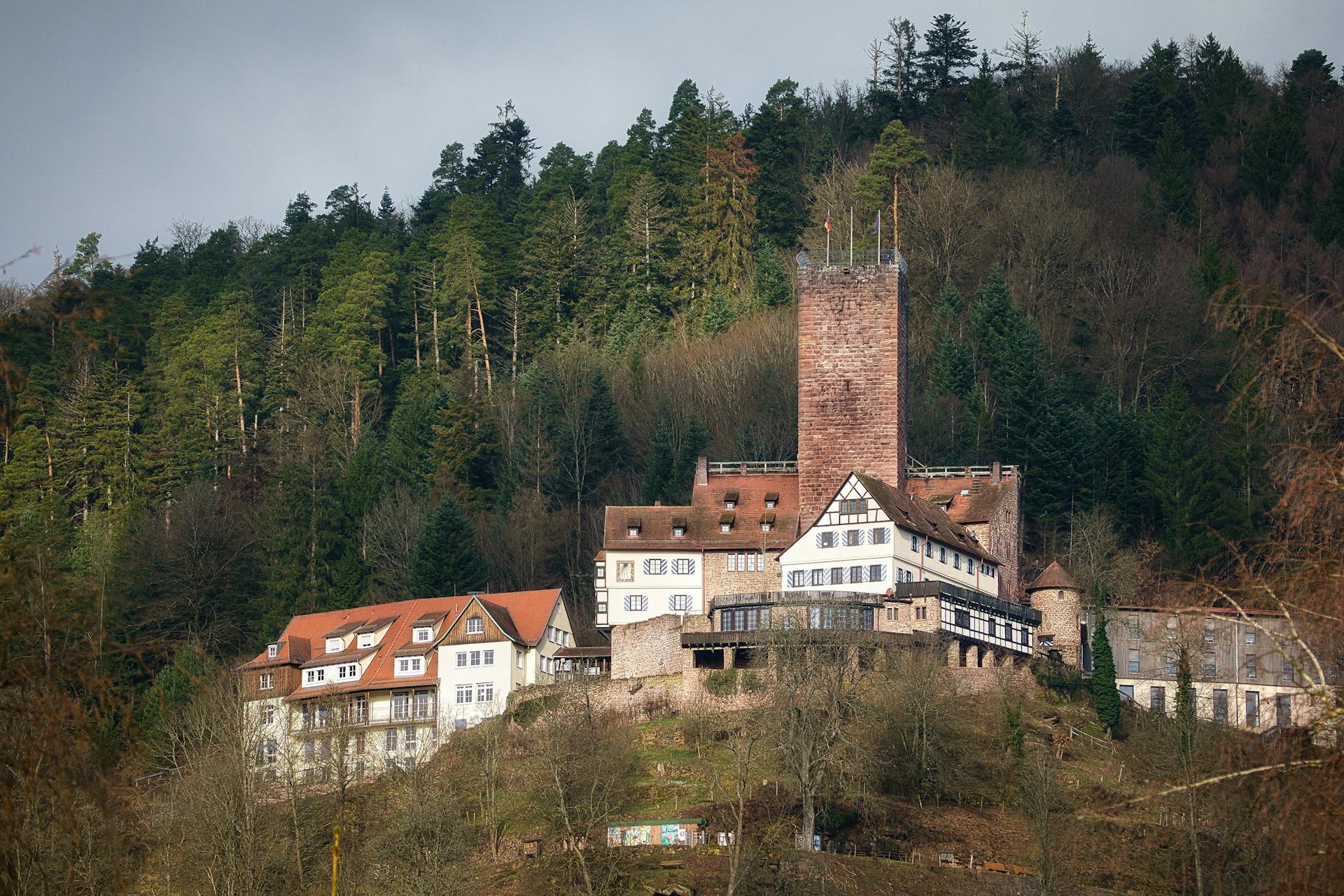
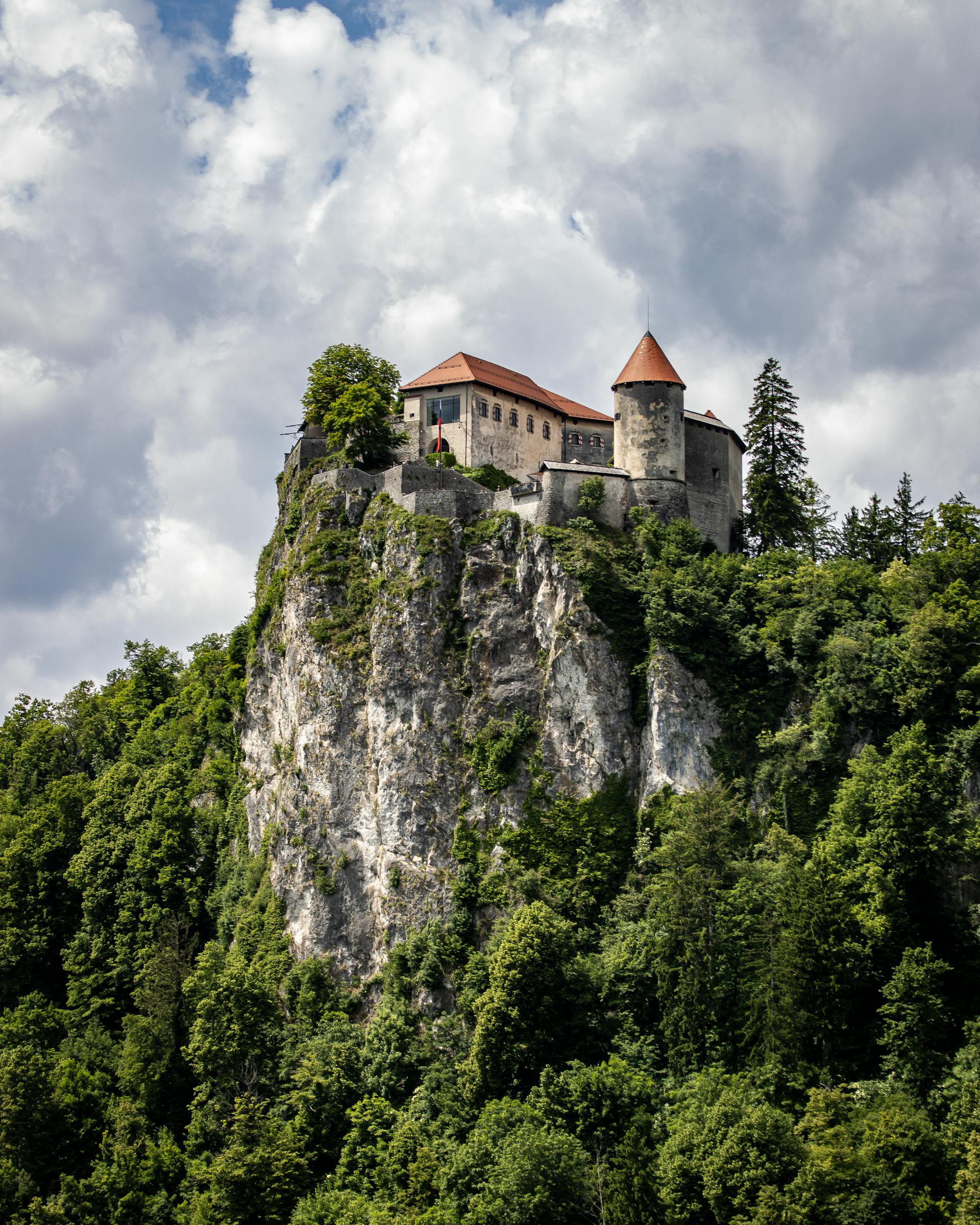
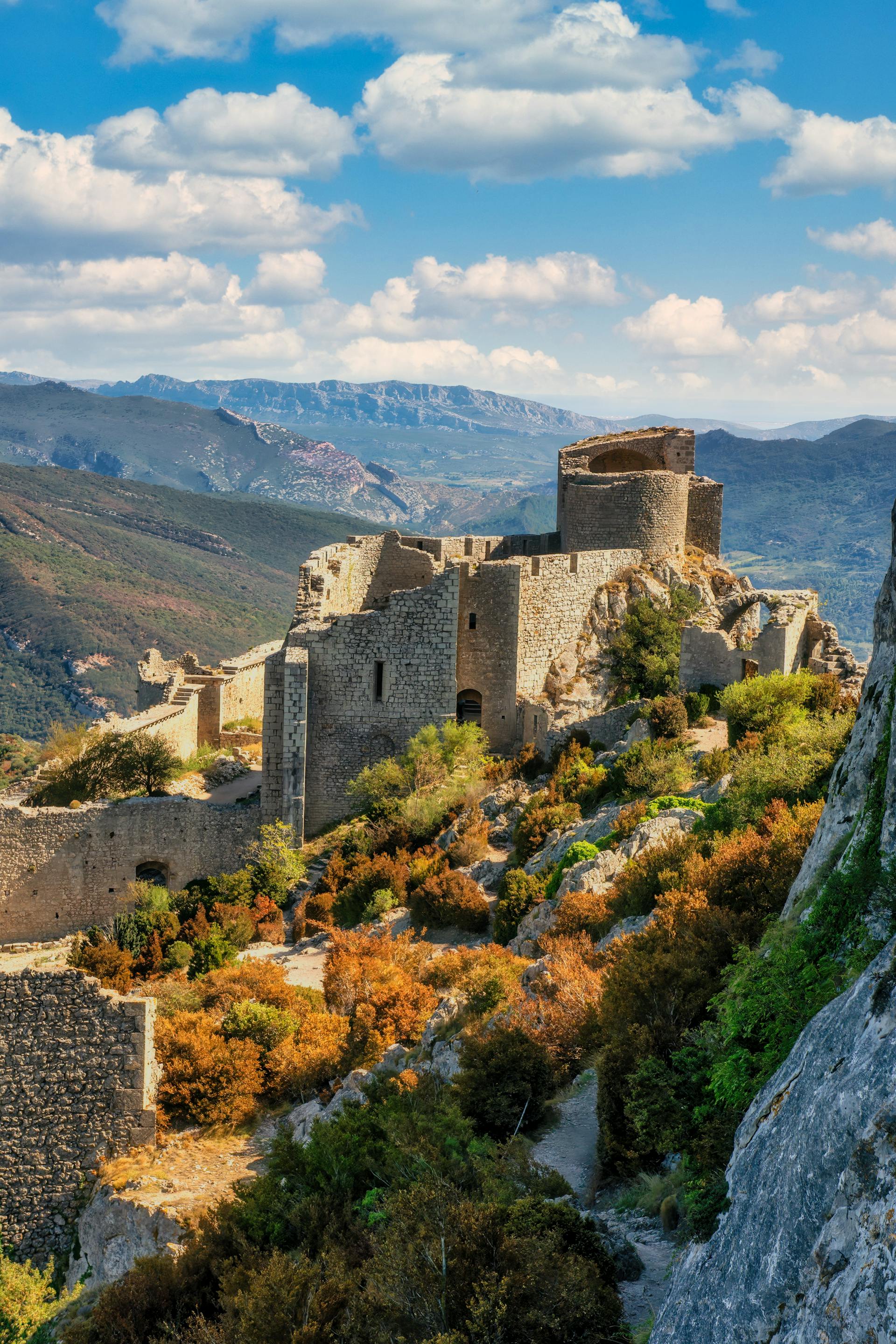
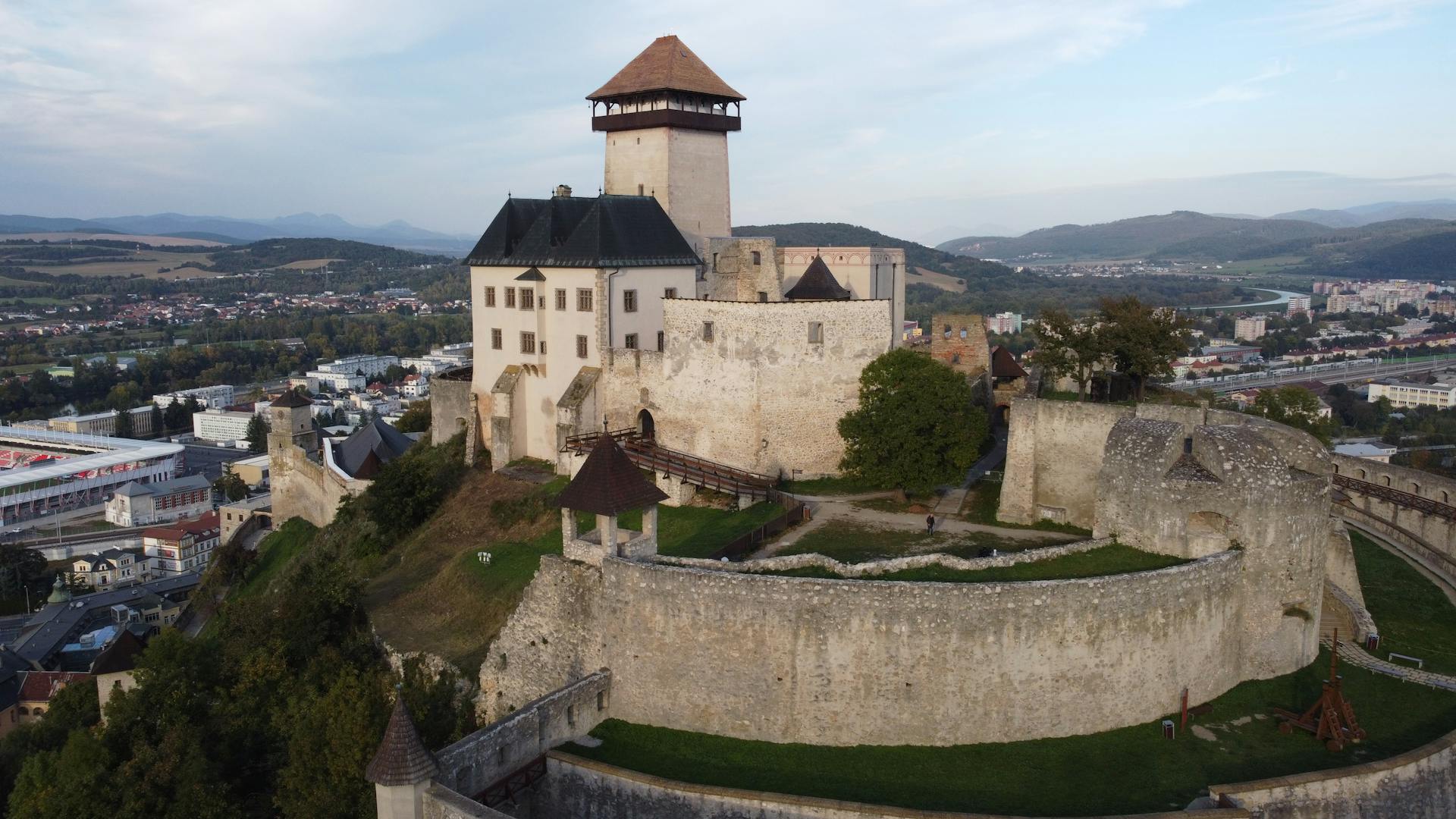
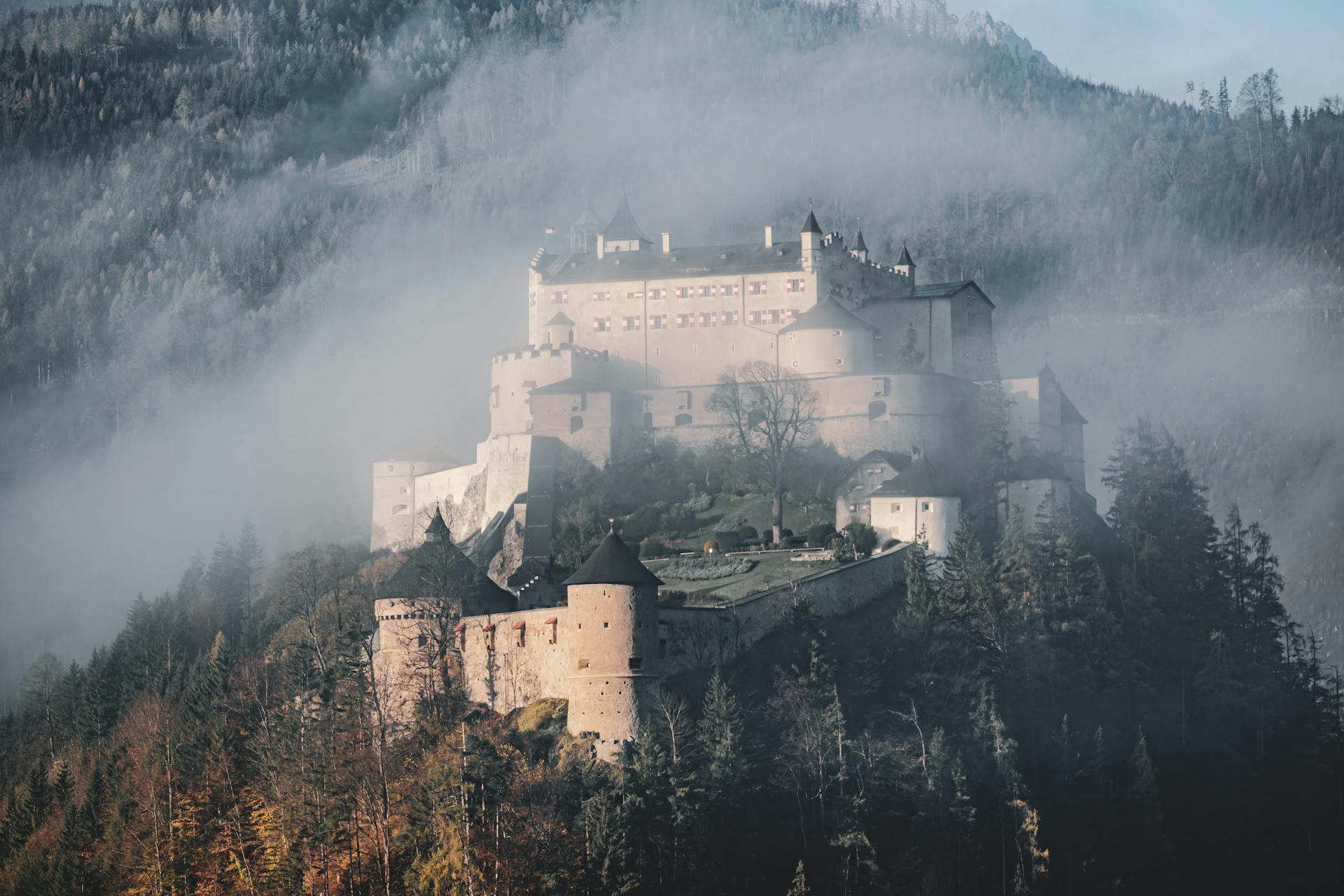
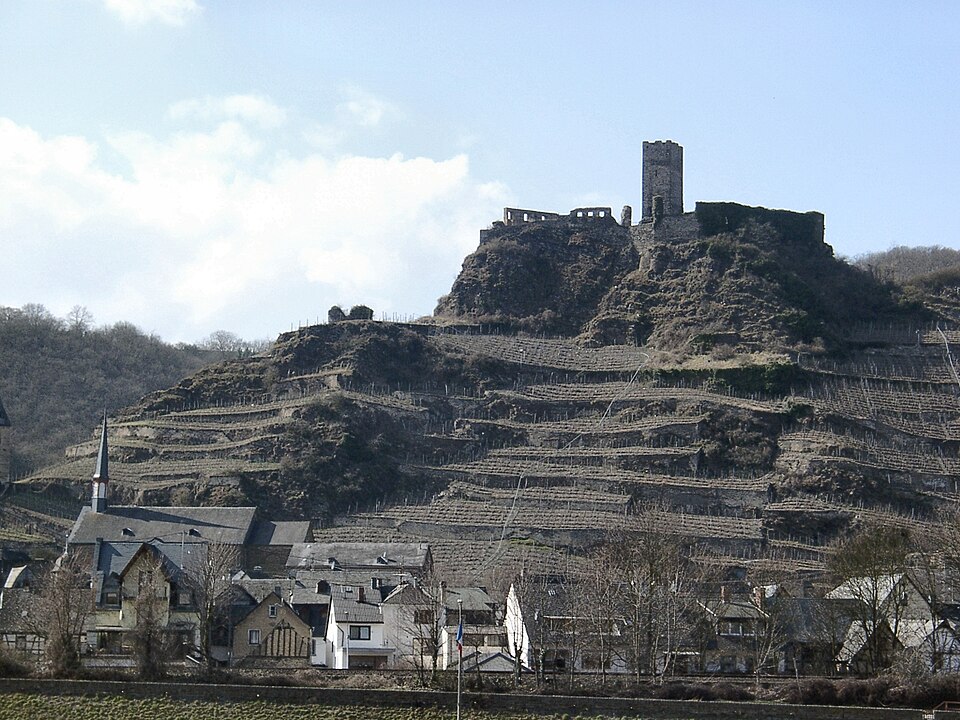
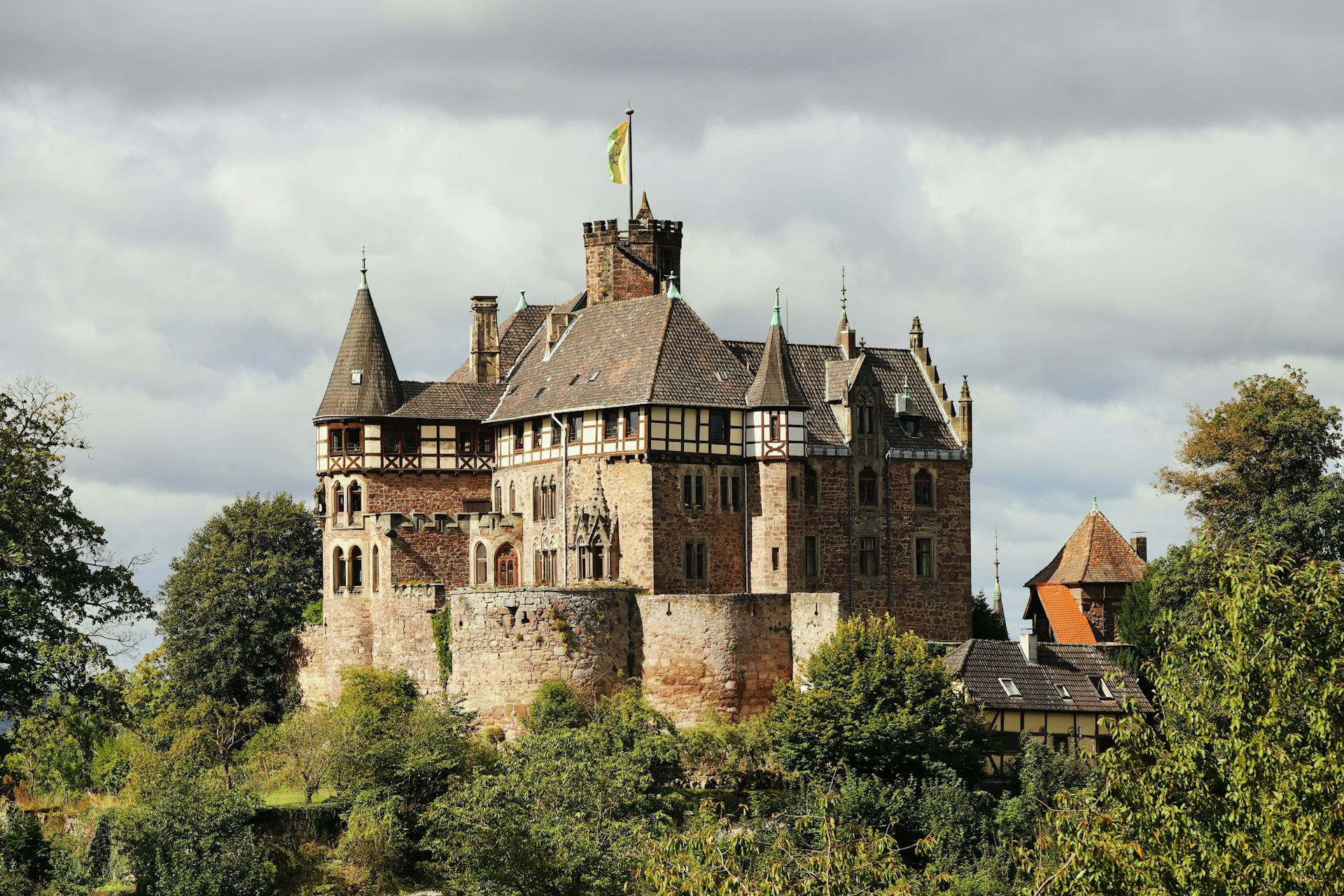
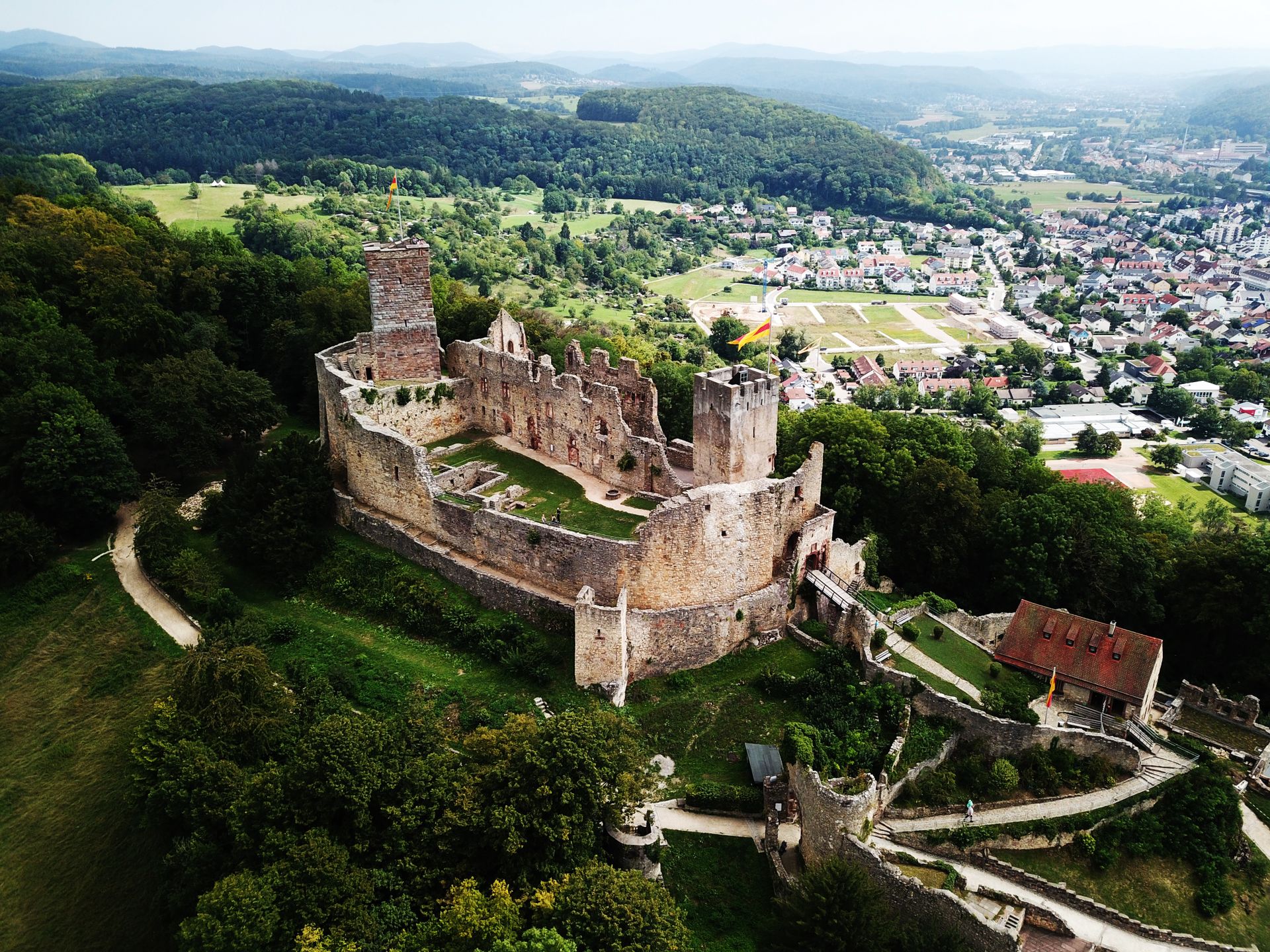
Hambach Castle is situated near the urban district of Hambach in Neustadt an der Weinstraße, Rhineland-Palatinate, Germany. It is recognized as a symbol of the German democracy movement due to the Hambacher Fest that took place there in 1832. The castle is perched on Schlossberg mountain, located on the eastern fringe of the Palatine Forest. Historically, it served both as a protective fortress and a stronghold for robber barons overseeing trade routes, particularly the northern path of the Anterior Palatinate section of the Way of St. James. Archaeological evidence indicates that the site of Hambach Castle was utilized during late Roman times. During the late Carolingian and Ottonian periods, a refuge castle was constructed at this location, with remnants still visible in front of and beneath the outer ring wall. Likely in the early eleventh century, a new castle named Kästenburg was established within the previous estate, named for the splendid sweet chestnut forests that surrounded it. Details about its early history are scarce; there are unverified theories suggesting it may have been founded as an Imperial Castle or that Emperor Henry IV began his Walk to Canossa there in 1076. What is confirmed is that between 1090 and 1104, Bishop Johann I of Speyer transferred ownership of the estate, along with Castle Meistersel, to the Bishopric of Speyer, which retained ownership until the late eighteenth century. This extensive estate was considered one of the most significant properties of the Bishopric of Speyer during the late Middle Ages, as evidenced by the numerous residences of bishops established since 1180. Notably, the thirteenth century saw significant construction activities. On July 12, 1388, Nikolaus I was consecrated as Bishop of Speyer in the castle chapel. Further construction occurred at the end of the fourteenth century and into the latter half of the fifteenth century under Bishops Nikolaus I and Matthias I. By the end of the fourteenth century, the castle also housed the Episcopalian document archive. The previous fortress remained intact throughout the Thirty Years War; however, it was destroyed by French soldiers during the War of the Palatinian Succession in September 1688. It underwent a temporary restoration from 1701 to 1703. In relation to the Hambacher Fest of 1832, the then-ruined castle became a symbol of the discontent among the Palatinate people regarding the oppressive actions of the Bavarian administration, which had been in power since 1816. This administration had revoked significant rights that had been granted to the populace by the troops of the French Revolution. Since the Hambacher Fest, Hambach Castle has been recognized as a symbol of democracy. In preparation for the 150th anniversary of the Hambacher Fest in 1982, the castle was fully restored at a cost of approximately 12 million DM. During another renovation phase from 2006 to 2007, leading up to the 175th anniversary in 2007, the castle was closed to the public for a year. Today, this national memorial serves as a museum and convention centre, attracting around 200,000 visitors annually. #History #Castles #Architecture

 This article uses text information from the Wikipedia article – Hambach_Castle – [Wikipedia-Article-Link: https://en.wikipedia.org/wiki/Hambach_Castle ] which is released under the -- Creative Commons Attribution-ShareAlike 4.0 License – [License-Link: https://creativecommons.org/licenses/by-sa/4.0/deed.en ( https://en.wikipedia.org/wiki/Wikipedia:Text_of_the_Creative_Commons_Attribution-ShareAlike_4.0_International_License )] and additional terms may apply. [List of Principal Authors (5 or less) of the Wikipedia-Article on the date of this Article being Created in this Website: - Wiki-SZ, Morningstar1814, Hugh16, 91.3.70.1, Lmao222] [Use the following Authorship tool to find out the author contributions:- https://xtools.wmcloud.org/authorship ] [The Current Article on this Website has been paraphrased from the above linked corresponding Wikipedia-Article and You may redistribute this, verbatim or modified, provided that you comply with the terms of the Creative Commons Attribution-ShareAlike 4.0 License] [License-Link: https://creativecommons.org/licenses/by-sa/4.0/deed.en ( https://en.wikipedia.org/wiki/Wikipedia:Text_of_the_Creative_Commons_Attribution-ShareAlike_4.0_International_License )]

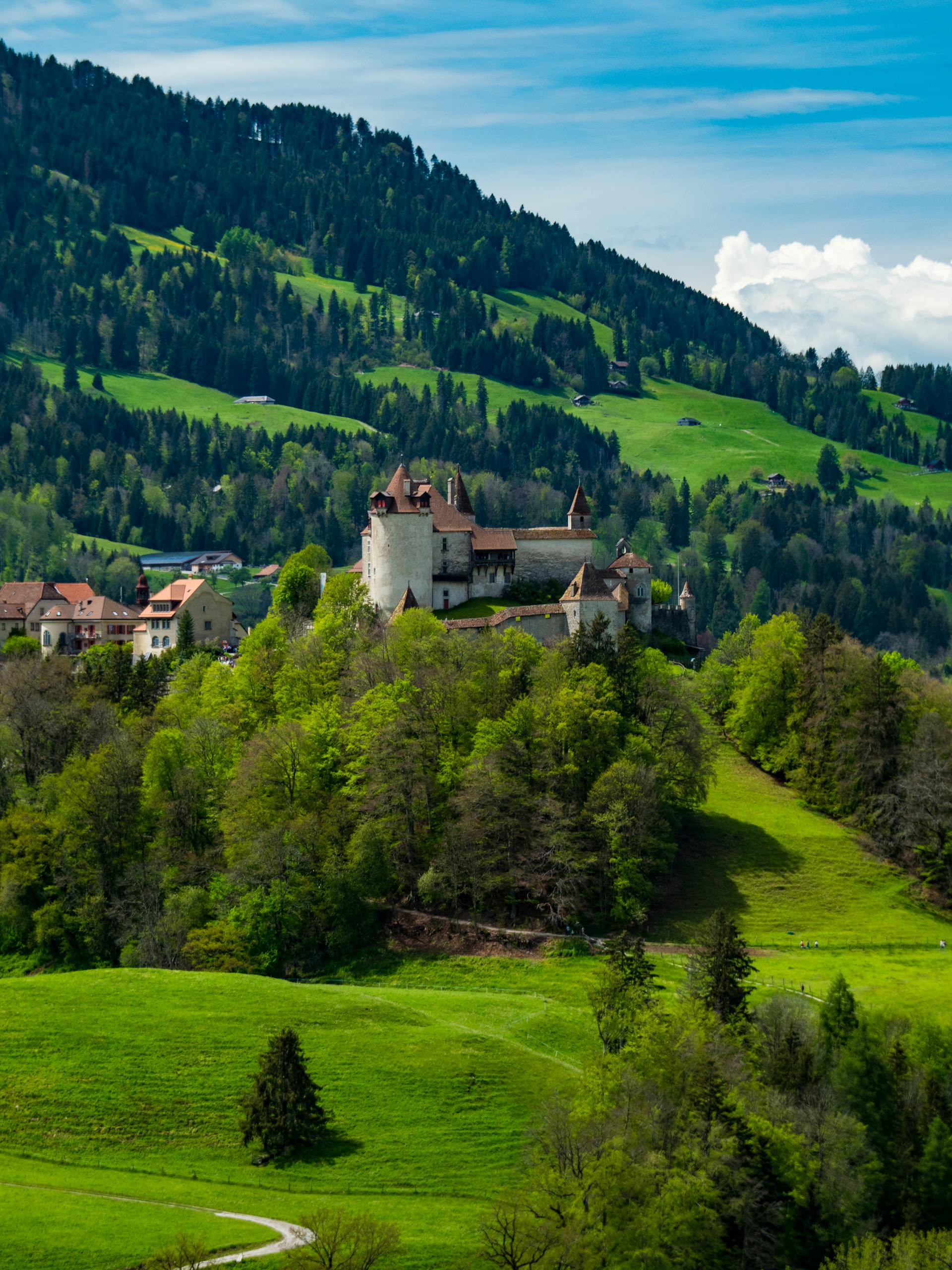
[Image: Explore the historic Hambach Castle set against a lush, scenic landscape in Germany; Image-Author: Reinhard Bruckner] [Image-Source-Link: https://www.pexels.com/photo/hambacher-schloss-27664462/ ] [License-Link: https://www.pexels.com/license/ ] [Please Also Relate to Original Individual Text and Image URLs for More Usage Property and Sharing, Remixing or Attributing the Contents] [Contents on Wikipedia is covered by – Disclaimer – [Wikipedia-Disclaimer-Link: https://en.wikipedia.org/wiki/Wikipedia:General_disclaimer ]] [Contents in this Website is also covered by Disclaimer linked at the bottom of the Page] [This website article means no intellectual appropriation by any way and only wishes to contribute in sharing of knowledge]


  Heritage Places, Castles & Architecture  


Click on Images for Information



Disclaimer   Privacy Policy   Disclosure   User-Manual   Contact   About Us