Heritage Places, Castles & Architecture  
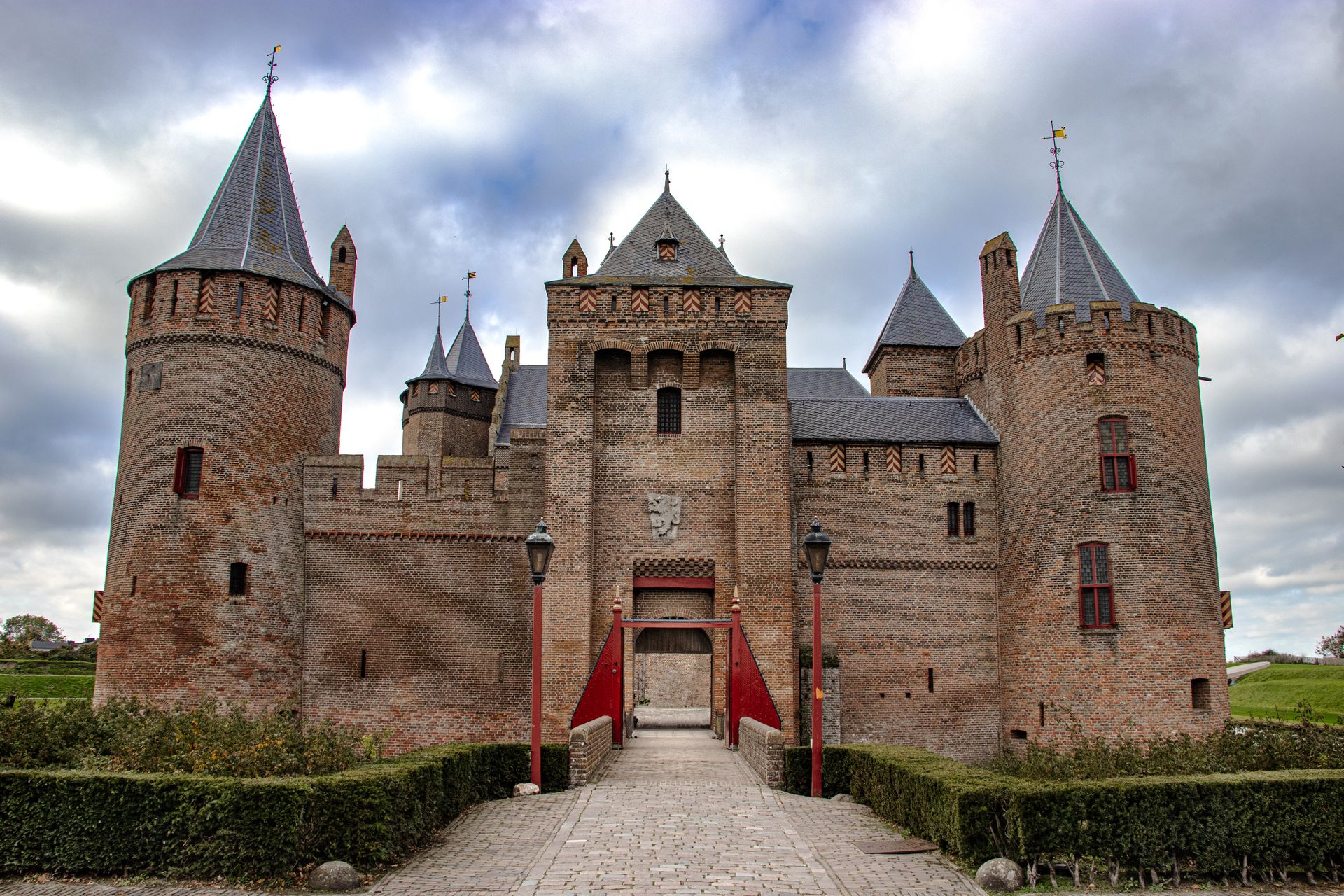


Click on Images for Information


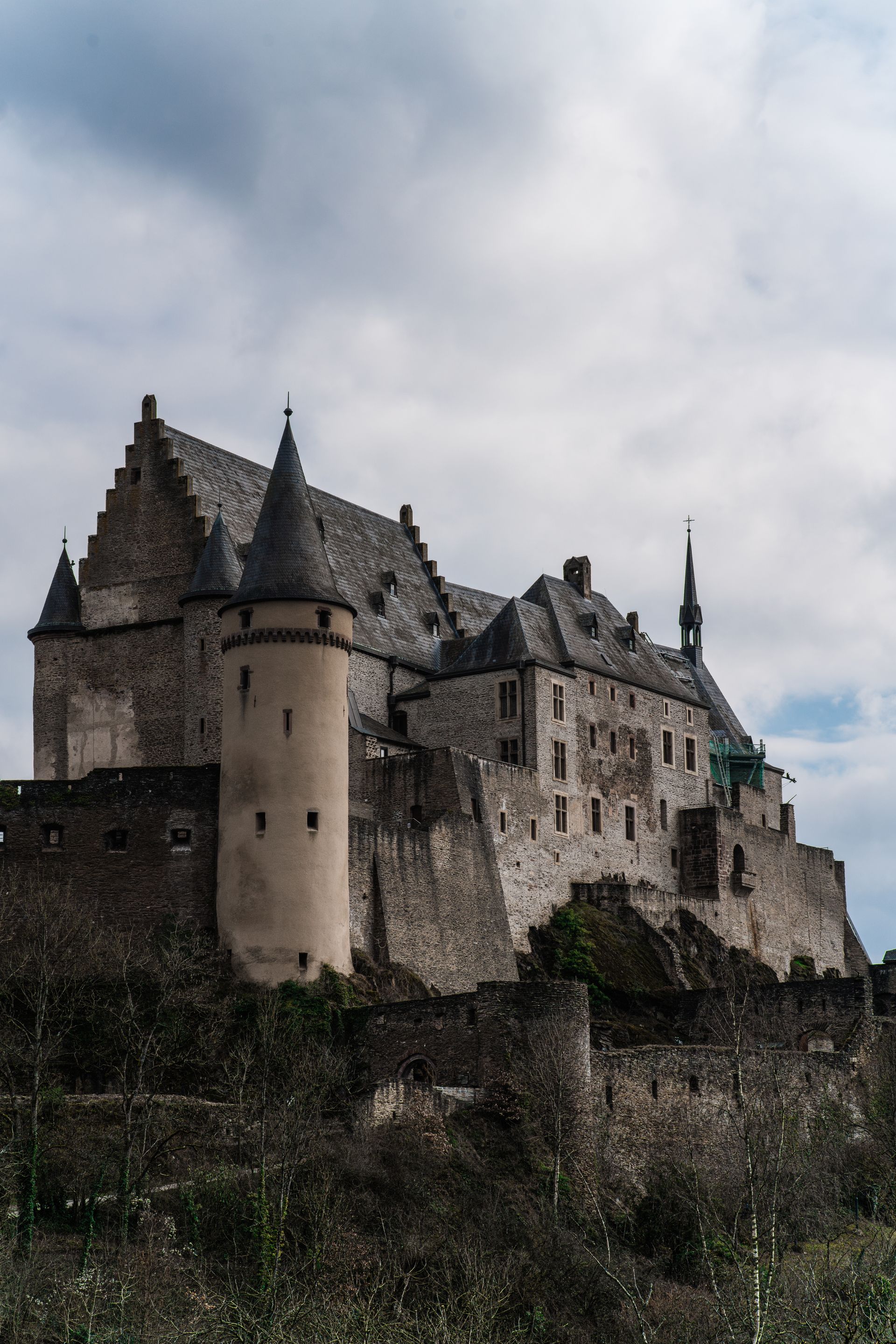
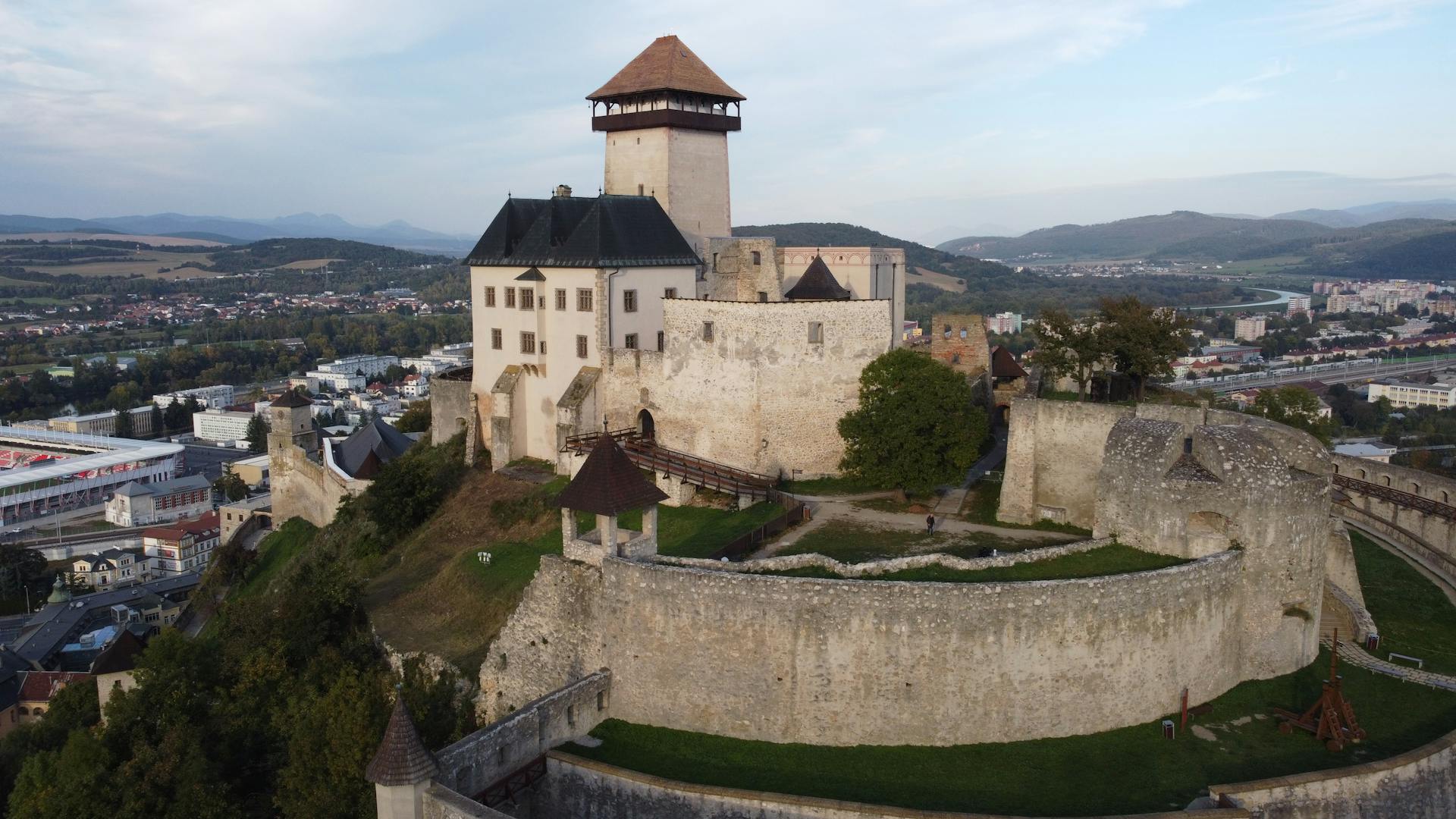
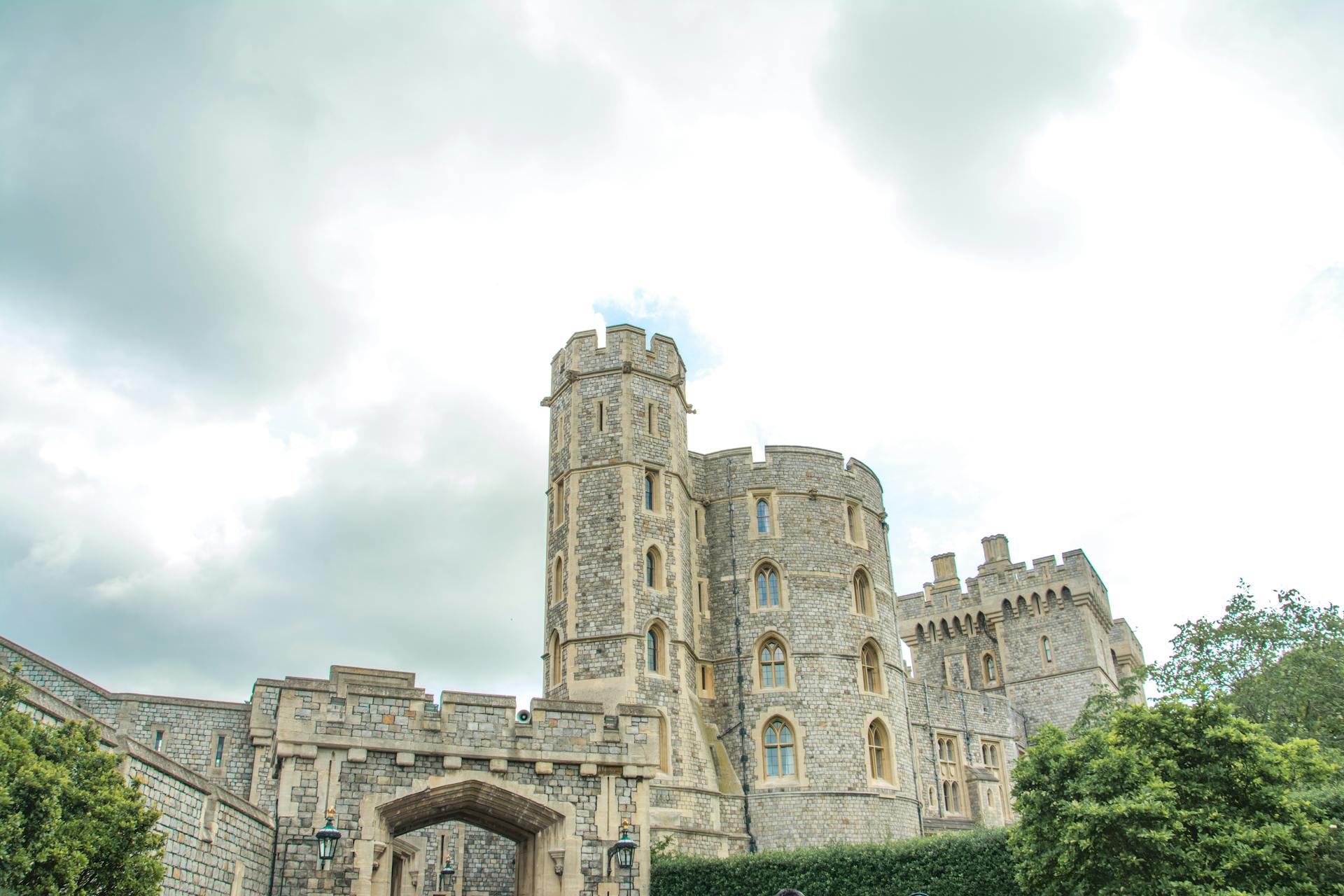
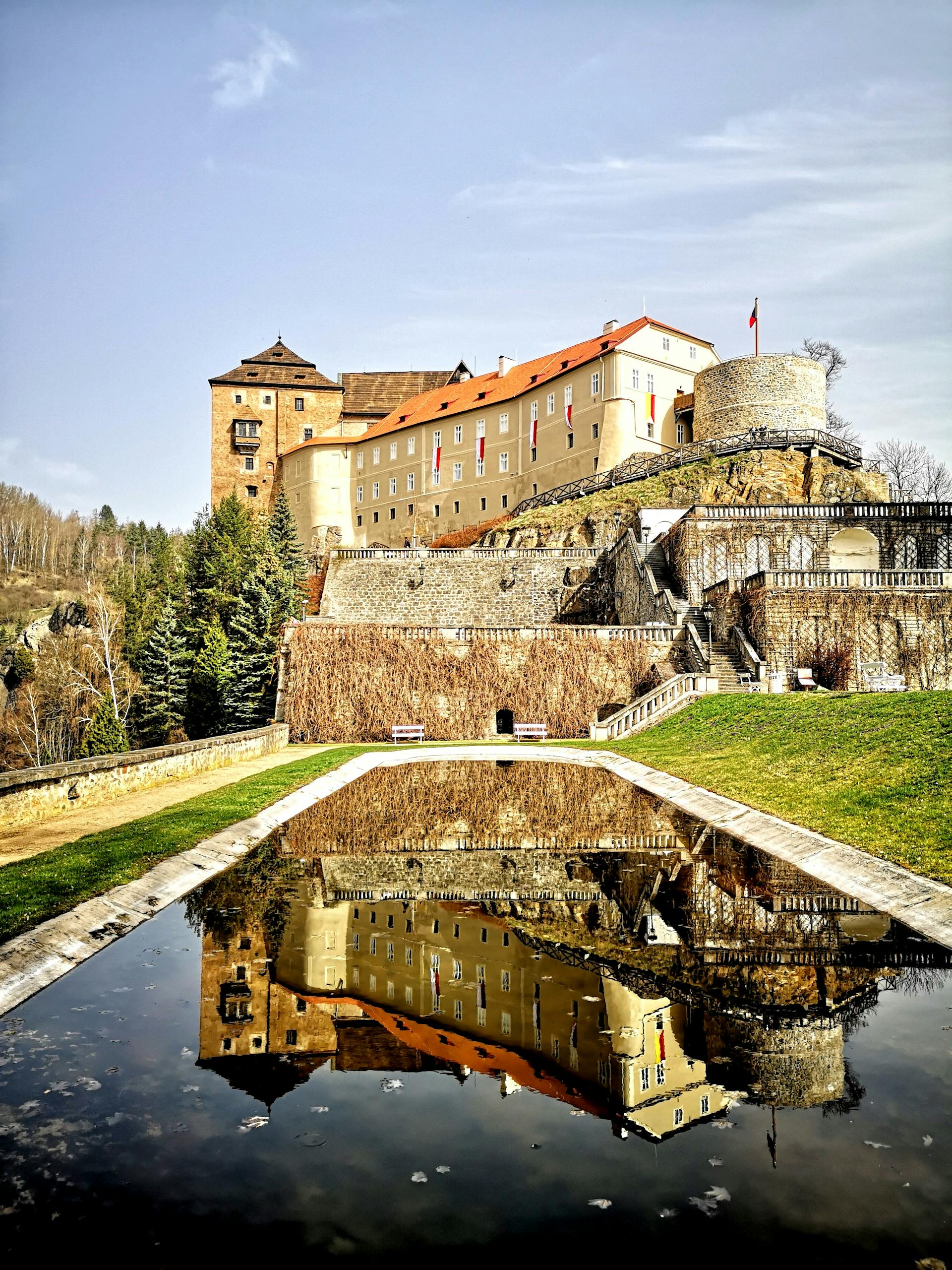
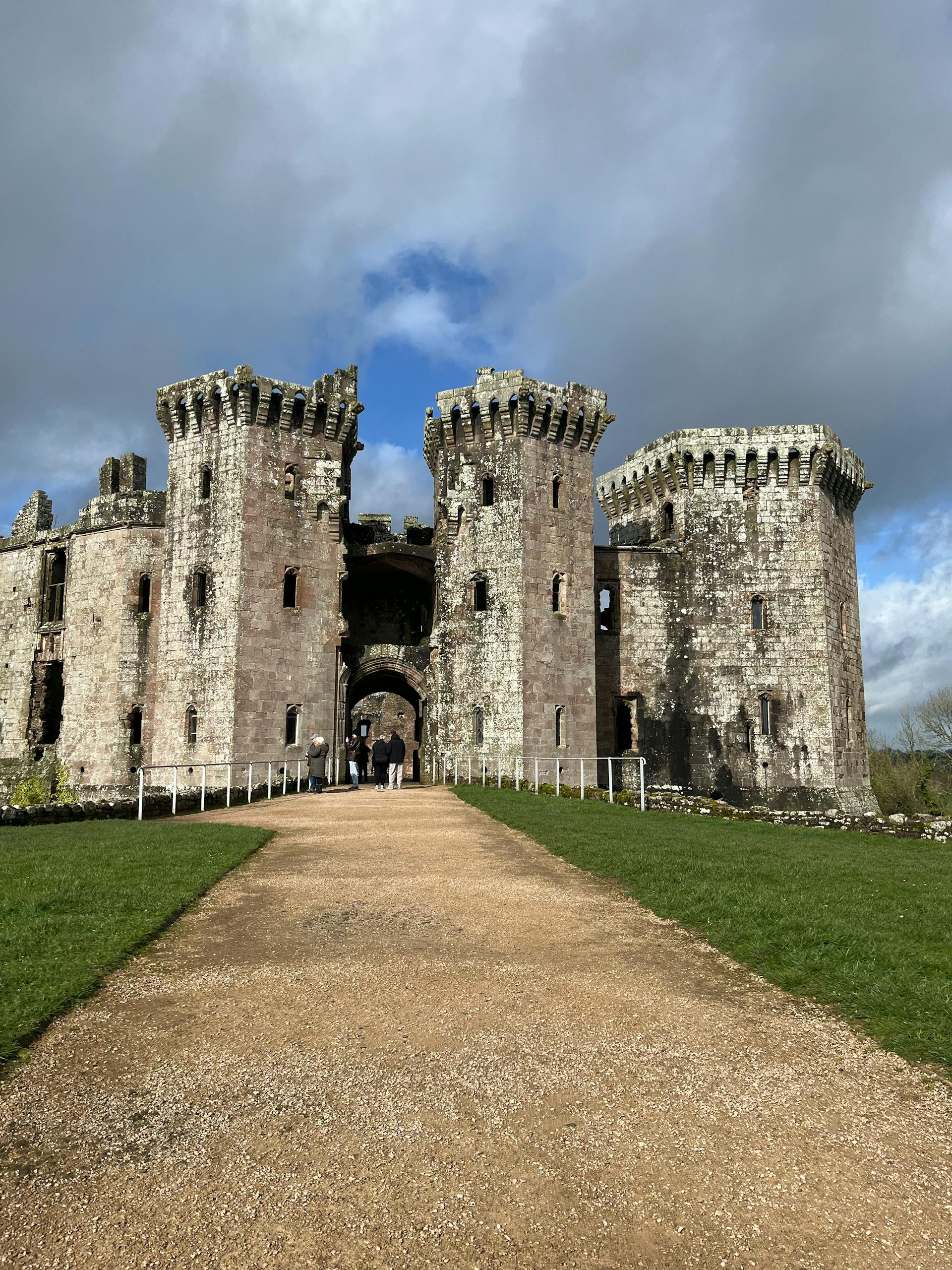
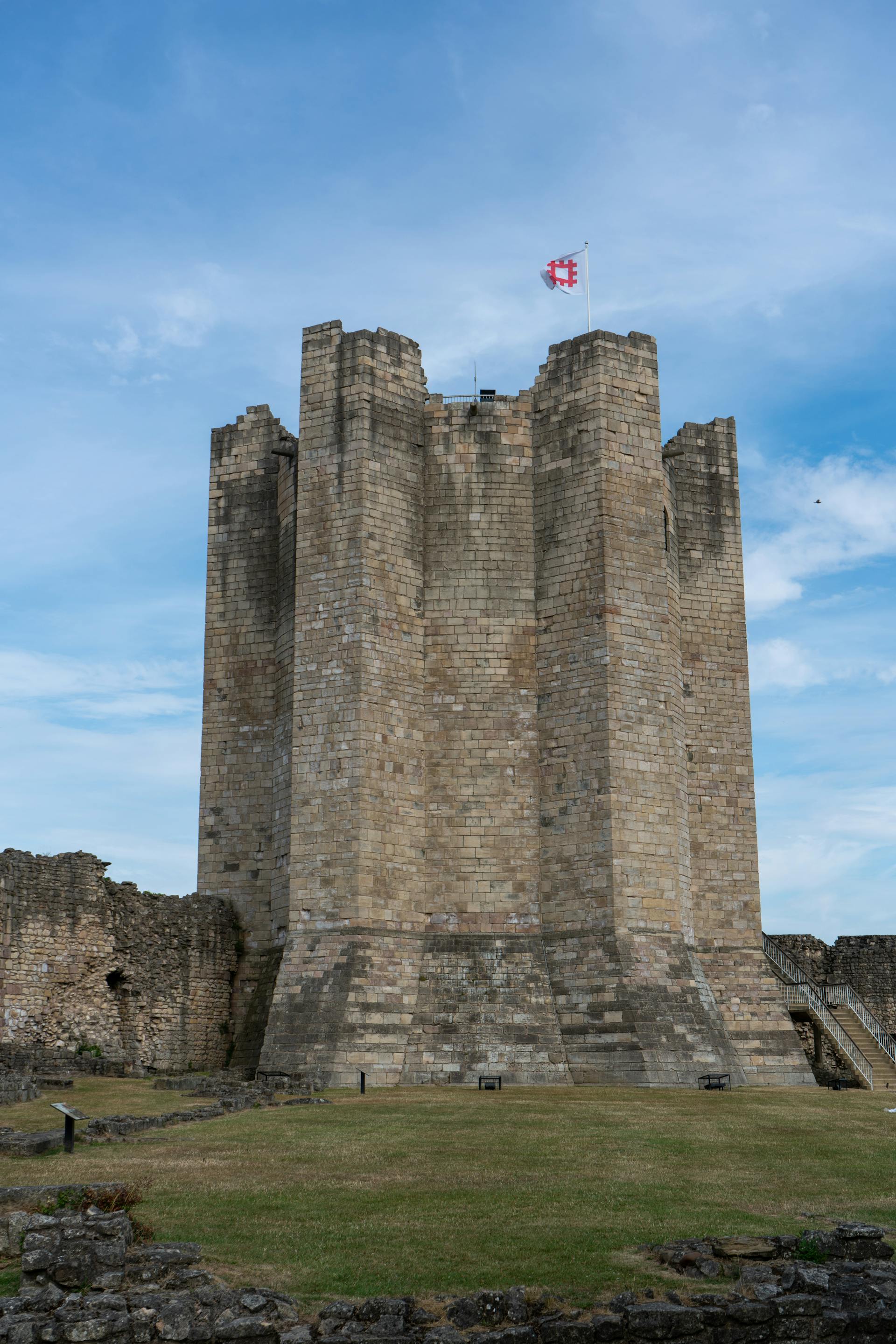
Vianden Castle, situated in Vianden in northern Luxembourg, ranks among the largest fortified castles west of the Rhine. Its origins trace back to the fourth century when it served as a Roman outpost, while the more recognizable castle structure was constructed in the Romanesque style between the eleventh and fourteenth centuries. At the conclusion of this period, Gothic modifications and embellishments were incorporated. In the seventeenth century, a Renaissance mansion was added; however, the castle subsequently fell into disrepair. Recently, it has undergone a complete restoration and is now accessible to visitors. Vianden Castle is widely considered the premier castle to explore in Luxembourg. Perched on a rocky promontory, the castle rises to an elevation of 310 meters, dominating the town of Vianden and overlooking the River Our, which lies approximately one hundred meters below. The castle and its associated structures extend a total length of 90 meters. The initial construction occurred in 275 CE along the route of the Great-Reims-Cologne Roman road, serving as a refuge for the town against invasions. The fort was abandoned between 430 and 440 CE. Vianden Castle was erected on the site of an ancient Roman castellum, with the basement likely serving as a Carolingian refuge. Historically, the first count of Vianden was recorded in 1090, and the castle remained the residence of the influential counts of Vianden until the early fifteenth century. Around the year 1000, the first medieval stone castle was established on the site, featuring a watchtower and an oval defensive wall. An excavation conducted in 1994 revealed the late antiquity Tower from the Merovingian period, which was dated through the analysis of the wooden scaffolding discovered on-site. This structure is the only known remnant of the first medieval castle. Circa 1100, the first residential castle was constructed, complete with a square keep, a kitchen, a chapel, and living quarters, indicating the presence of an aristocratic family during that era. In the initial half of the twelfth century, a new residential tower, surpassing its predecessor in size, along with a distinguished decagonal chapel, were constructed, while the palace itself underwent expansion. An octagonal floor plan was incorporated into the tower to complete the series of structures. These Romanesque enhancements were financed by Frederick III. Such developments illustrate the ambition of the counts of Vianden to compete with the House of Luxembourg. The final significant alteration occurred in the mid-thirteenth century when the entire castle was modified to embody the Gothic architectural style. Subsequently, in 1621, Prince Maurice of Orange-Nassau-Vianden erected the Nassau Mansion, featuring a banqueting hall and a bedroom in the Renaissance style, replacing a damaged side wing of the eleventh-century keep. Throughout the sixteenth century, the castle experienced a period of relative abandonment by the counts of Vianden, who had acquired the additional title of the House of Nassau-Orange. In 1564, Prince William the Silent of Orange, who held the titles of count of Nassau and Vianden, expressed initial interest in Vianden, where he established the first blast furnace in Luxembourg, but departed in 1566 to lead the Dutch revolt against King Philip II of Spain. Consequently, Philip confiscated the castle and granted it to Peter Ernst von Mansfeld, the governor of Luxembourg. In 1820, King William I sold the castle to Wenzel Coster, an alderman, for 3,200 florins. Coster commenced the demolition of the structure, selling the roof tiles, wooden panelling, doors, and windows individually. Even the copper and lead roof beams and gutters were disposed of. The castle fell into a state of ruin. The outrage among his subjects regarding the castle-degradation prompted the king, who was also a count of Vianden, to repurchase the dilapidated structure in 1827 for 1,100 florins, with the intention of initiating restoration efforts. It was not until 1962 that restoration considerations were revisited, leading to the reconstruction of the Armory. In 1978, efforts were focused on the restoration of the walls, gables, and roof. The castle welcomes visitors year-round from 10 am to 4 pm daily. During March and October, the closing time is extended to 5 pm, while in the summer months, it remains open until 6 pm. Additionally, guided tours are offered. #History #Castles #Architecture

 This article uses text information from the Wikipedia article – Vianden_Castle – [Wikipedia-Article-Link: https://en.wikipedia.org/wiki/Vianden_Castle ] which is released under the -- Creative Commons Attribution-ShareAlike 4.0 License – [License-Link: https://creativecommons.org/licenses/by-sa/4.0/deed.en ( https://en.wikipedia.org/wiki/Wikipedia:Text_of_the_Creative_Commons_Attribution-ShareAlike_4.0_International_License )] and additional terms may apply. [List of Principal Authors (5 or less) of the Wikipedia-Article on the date of this Article being Created in this Website: - Ipigott, Ckoerper, Ilovetotravel12345, Andreas Kaganov, Ymblanter] [Use the following Authorship tool to find out the author contributions:- https://xtools.wmcloud.org/authorship ] [The Current Article on this Website has been paraphrased from the above linked corresponding Wikipedia-Article and You may redistribute this, verbatim or modified, provided that you comply with the terms of the Creative Commons Attribution-ShareAlike 4.0 License]  [License-Link: https://creativecommons.org/licenses/by-sa/4.0/deed.en ( https://en.wikipedia.org/wiki/Wikipedia:Text_of_the_Creative_Commons_Attribution-ShareAlike_4.0_International_License )]

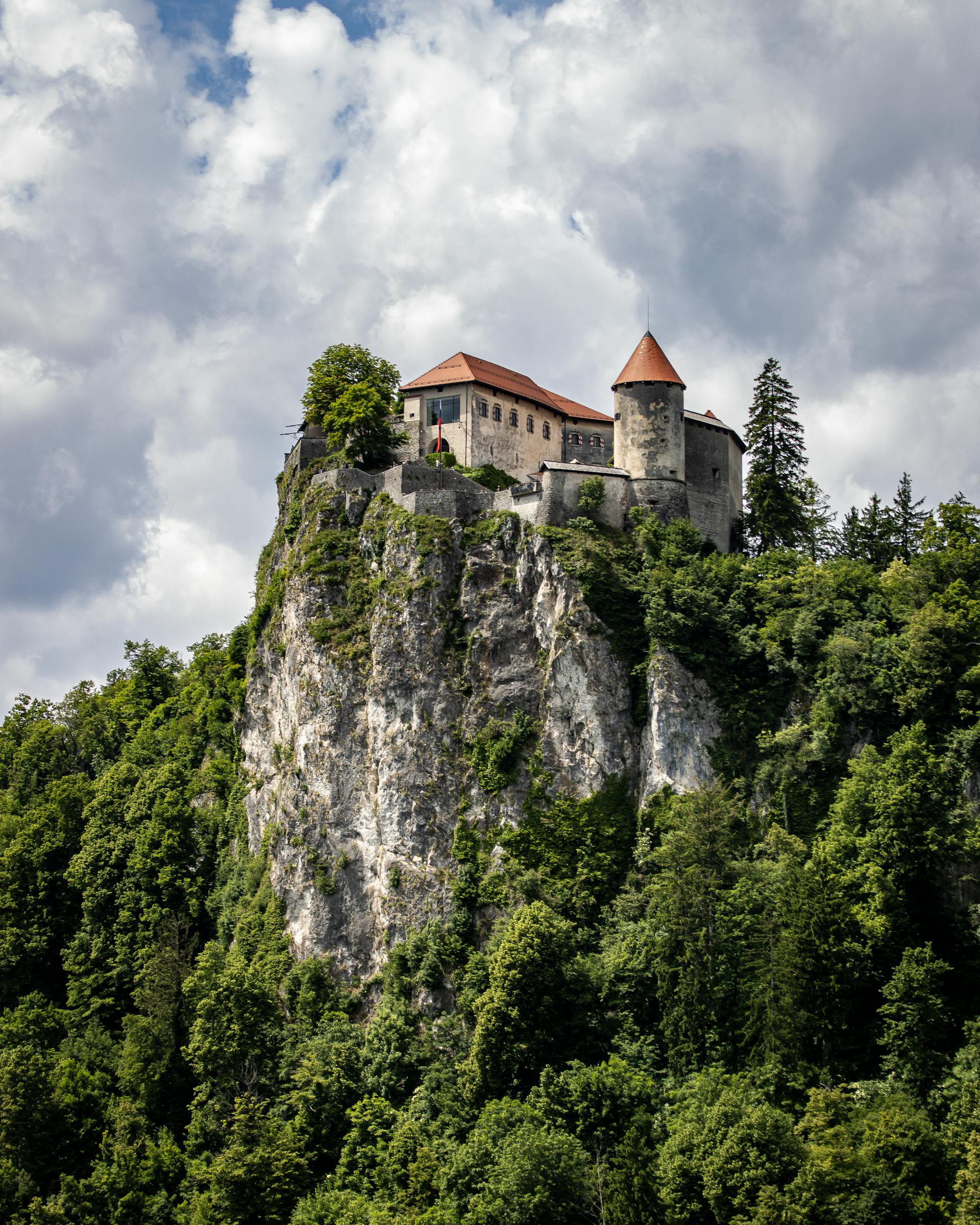
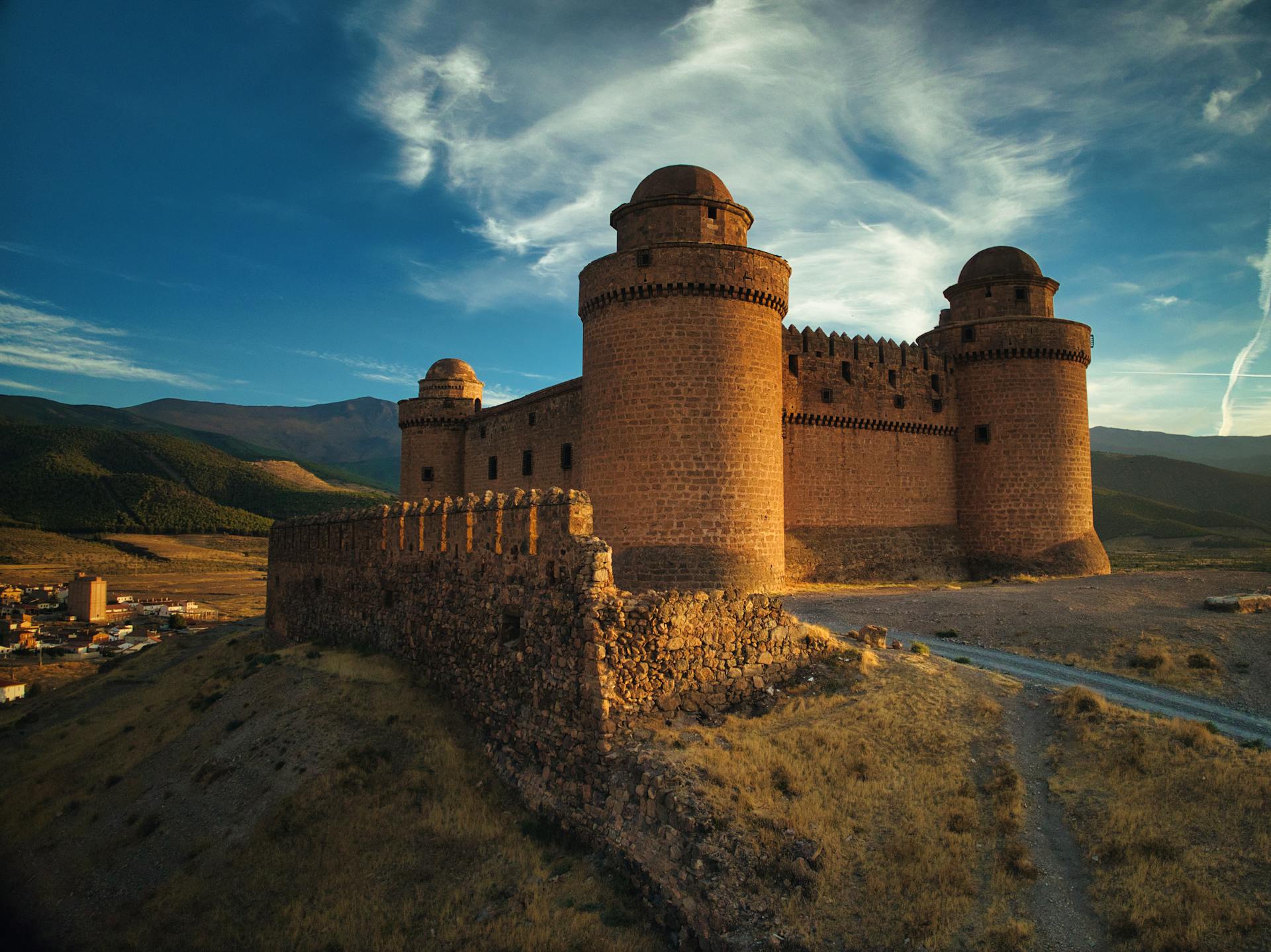
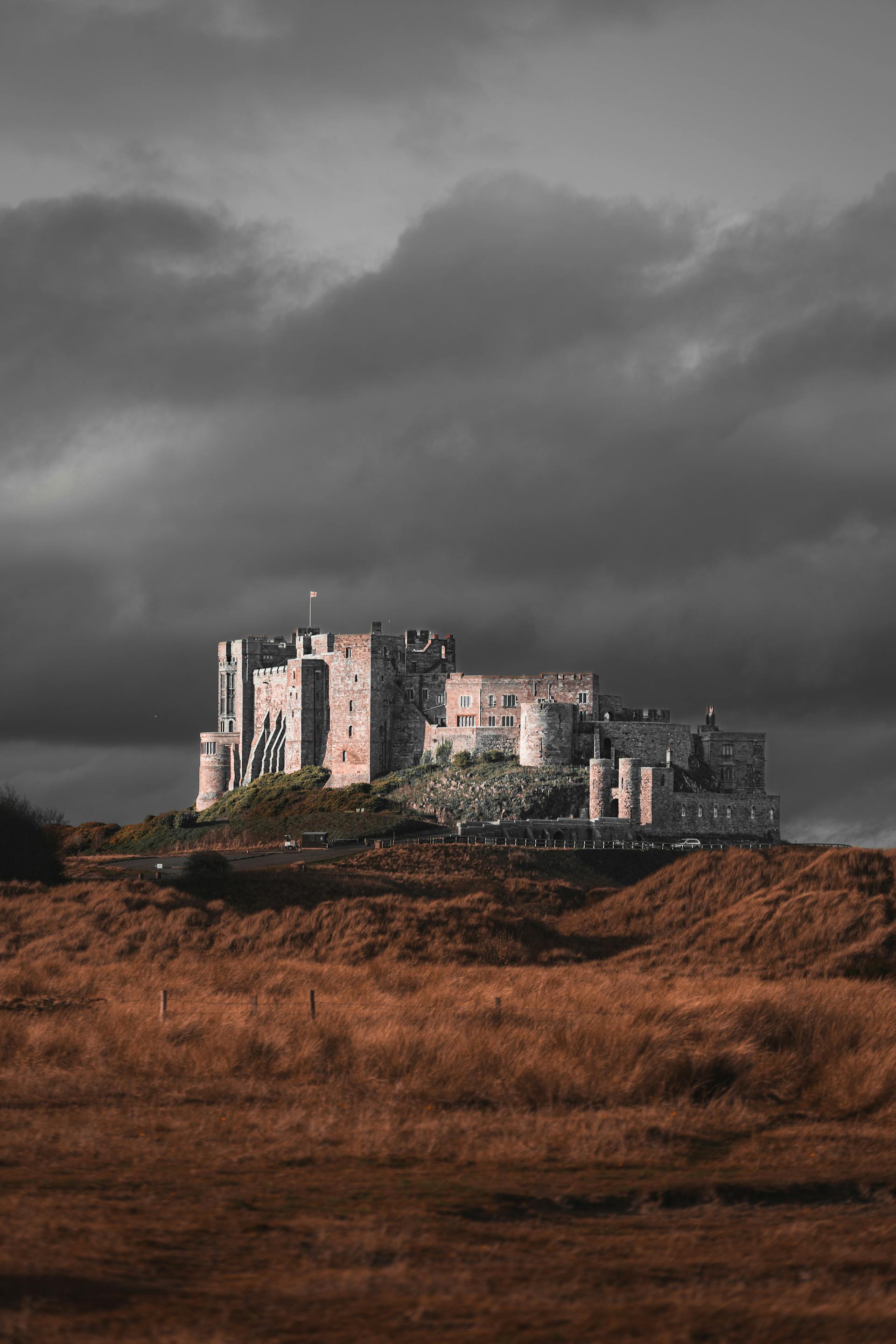
[Image: Explore the historic Vianden Castle in Luxembourg framed by a cloudy sky. Perfect for travel enthusiasts; Image-Author: KNKO Photography]  [Image-Source-Link: https://www.pexels.com/photo/exterior-of-a-castle-18705895/ ]   [License-Link: https://www.pexels.com/license/ ] [Please Also Relate to Original Individual Text and Image URLs for More Usage Property and Sharing, Remixing or Attributing the Contents] [Contents on Wikipedia is covered by – Disclaimer –  [Wikipedia-Disclaimer-Link: https://en.wikipedia.org/wiki/Wikipedia:General_disclaimer ] [Contents in this Website is also covered by Disclaimer linked at the bottom of the Page] [This website article means no intellectual appropriation by any way and only wishes to contribute in sharing of knowledge]


  Heritage Places, Castles & Architecture  


Click on Images for Information



Disclaimer   Privacy Policy   Disclosure   User-Manual   Contact   About Us