Heritage Places, Castles & Architecture  


Click on Images for Information


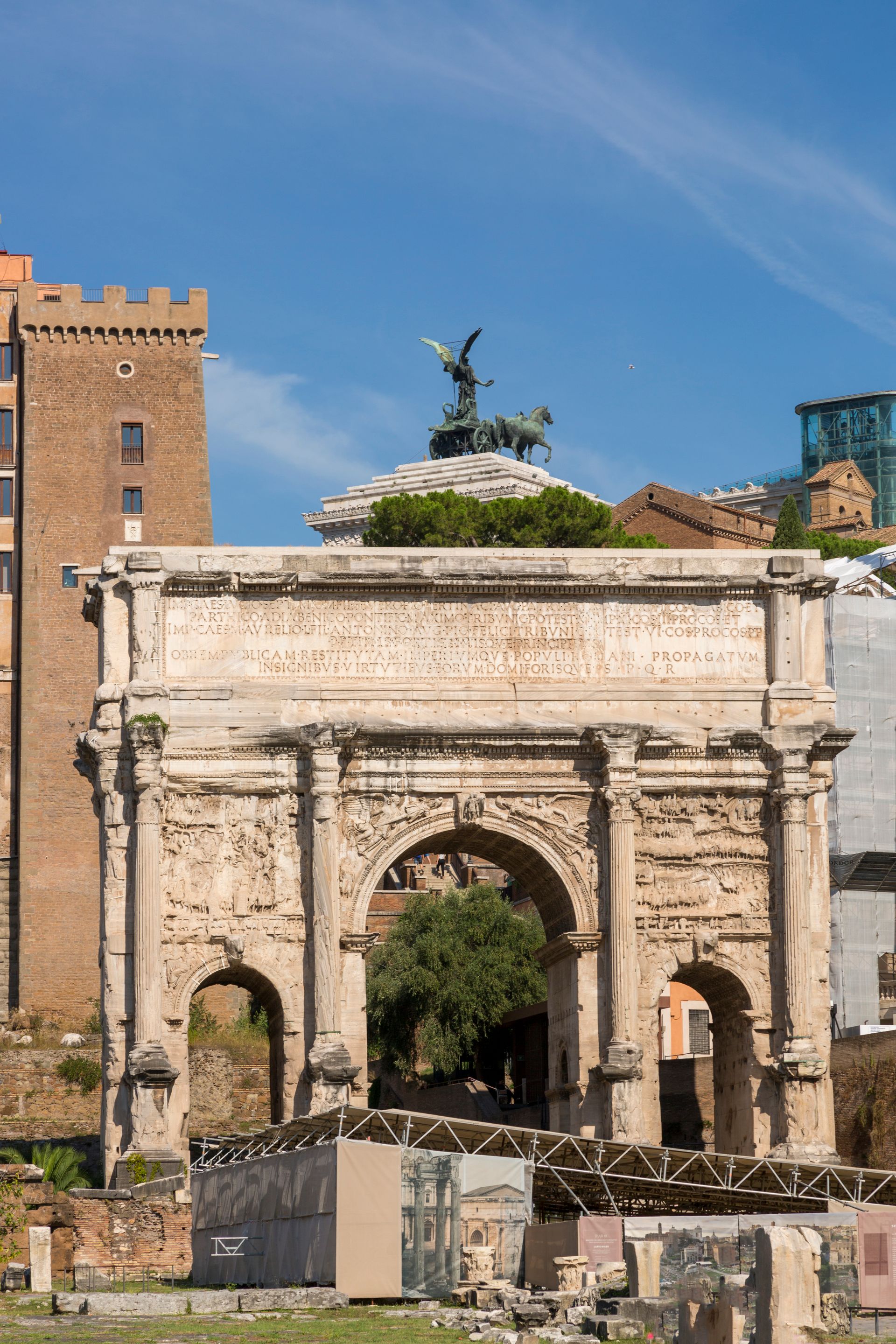
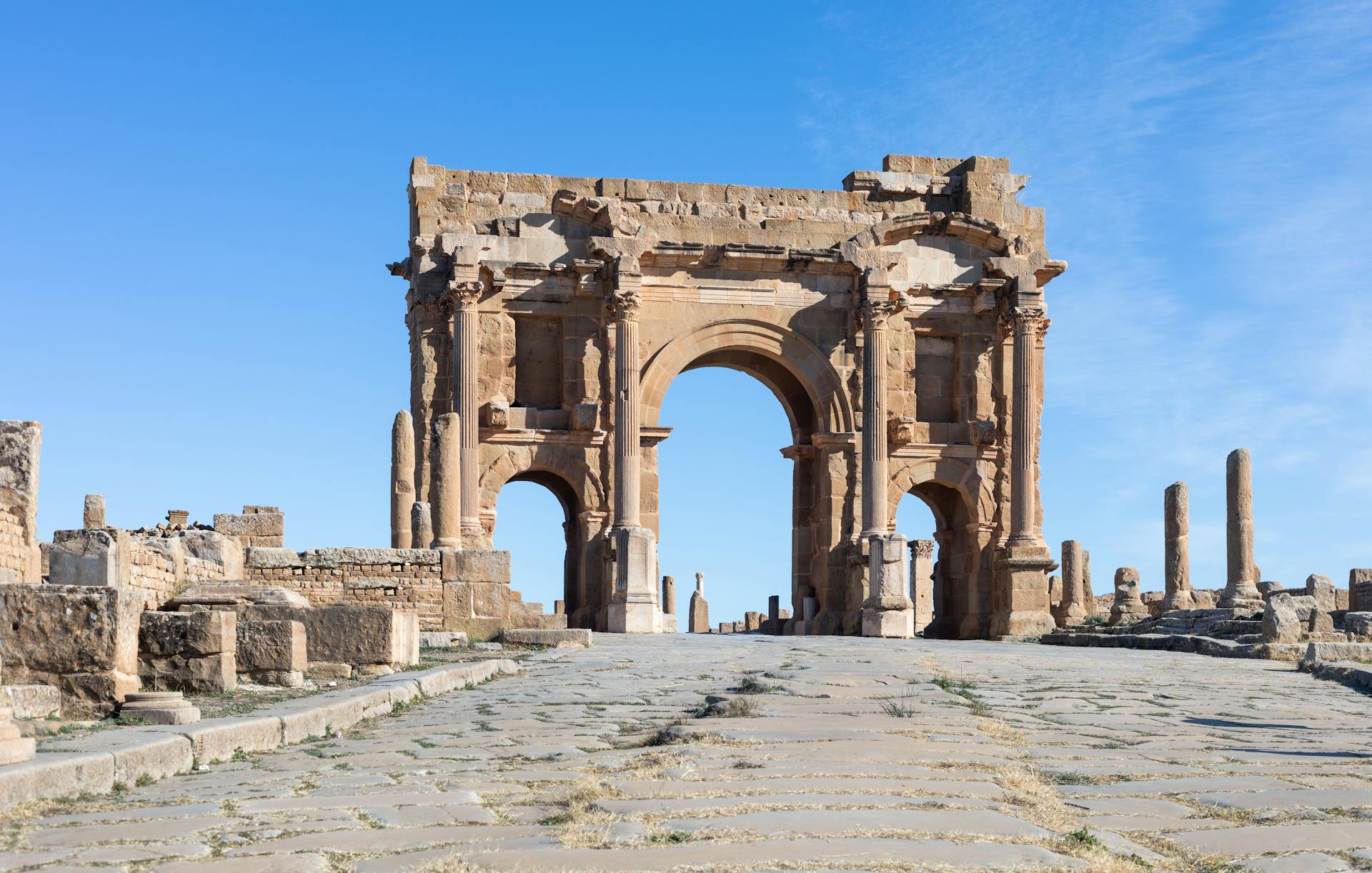
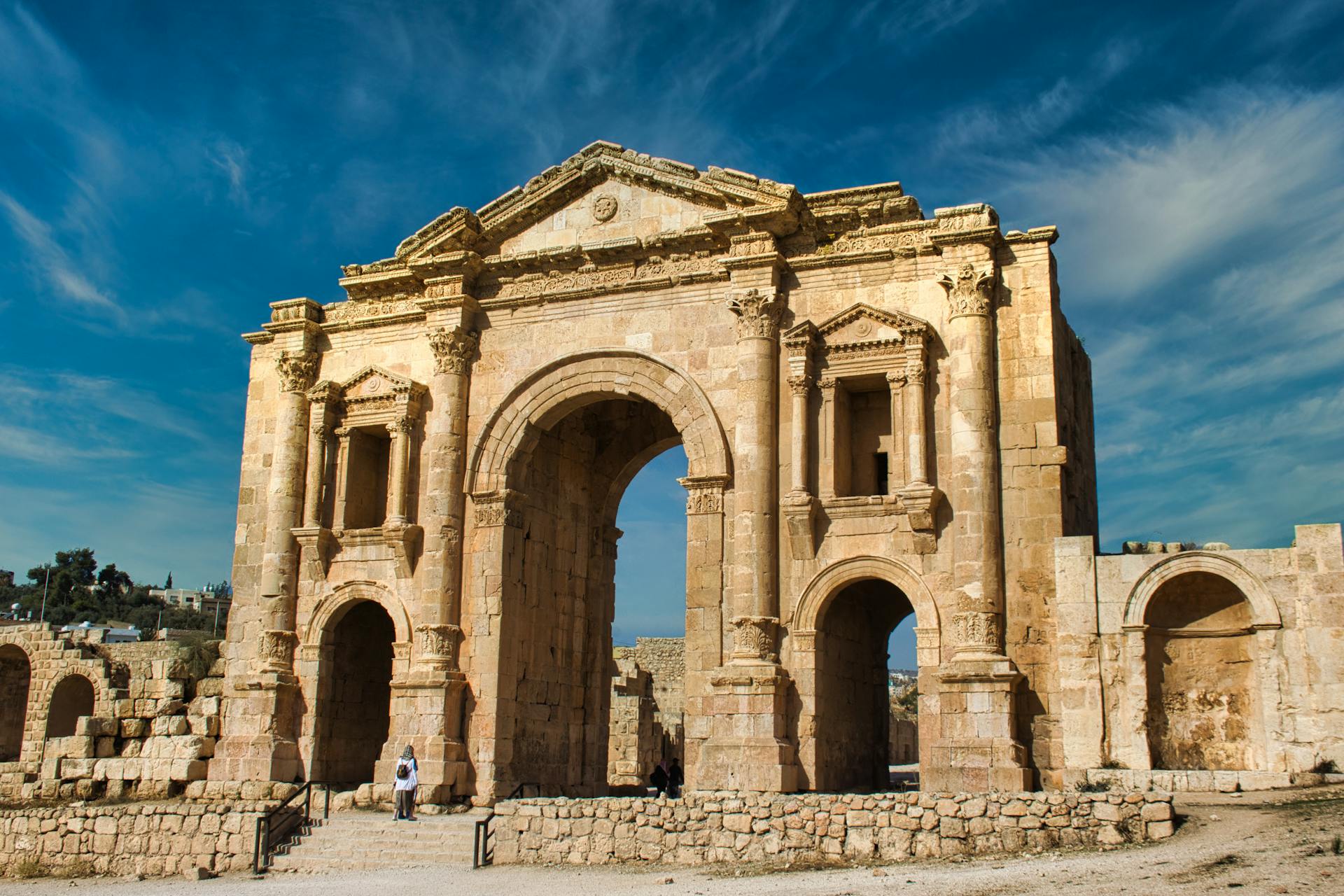
The Arch of Septimius Severus, located at the northwestern end of the Roman Forum, is a triumphal arch constructed from white marble and dedicated in 203 AD. It commemorates the Parthian victories achieved by Emperor Septimius Severus along with his two sons, Caracalla and Geta, during the campaigns against the Parthians that took place from 194 to 195 and from 197 to 199. Following the death of Septimius Severus, his sons Caracalla and Geta initially ruled as joint Emperors. However, Caracalla orchestrated the assassination of Geta in Rome; subsequently, in a practice known as damnatio memoriae, all memorials dedicated to Geta were obliterated, and any images or references to him were eradicated from public buildings and monuments. Consequently, likeness of Geta and any inscriptions pertaining to him were also removed from the arch. The structure is elevated on a travertine base, which was originally accessible via steps leading from the ancient level of the Forum. The central archway features a richly coffered semicircular vault and lateral openings leading to each side archway, a design element that influenced many Early Modern triumphal arches. The arch is adorned with two sets of reliefs; the first set comprises four large panels on each face of the attic, while the second set consists of eight panels embedded in the inner face of the four archways. The Arch stands approximately 23 meters tall and 25 meters wide, with the three archways supported by piers that are composed of columns on pedestals. Winged Victories are intricately carved in relief within the spandrels. A staircase located in the south pier provides access to the top of the monument. Originally, the summit of the arch featured statues of the emperor and his two sons in a quadriga, or four-horse chariot, accompanied by soldiers. Although the identity of the master architect remains unknown, his craftsmanship was of such a high caliber that it enabled the rapid and traditional construction of the arch. Despite its traditional elements such as columns, piers, and cornices, the architectural style exhibits a subtle departure from classical conventions through its emphasis on texture and the dynamic interplay of planes. The arch is primarily constructed from a combination of travertine and marble, integrated with concrete and brick. Proconnesian marble was utilized for the columns, Pentelic marble for the masonry, and Luna marble for the more prominent relief columns. Each marble block was meticulously cut into rectangular shapes. Designed to symbolize victory and serve as a form of Imperialistic propaganda, the ornamentation of the arch was both essential and deliberate. It reflects the vertical elevation characteristic of Roman decorative principles while incorporating horizontal accents. The decorations of the attic were intended to commemorate the accomplishments of the Imperial family. Historical evidence from Severan coins indicates that, although it no longer exists, the top of the attic once featured a gilded bronze chariot drawn by six horses and two riders. The Severan dynasty was known for its extensive construction of triumphal or honorary arches, particularly throughout the Roman Empire; notably, the Arch of Septimius Severus in the birthplace of the emperor at Leptis Magna, Libya, was erected in the same year. #History #Architecture

This article uses text information from the Wikipedia article – Arch_of_Septimius_Severus – [Wikipedia-Article-Link: https://en.wikipedia.org/wiki/Arch_of_Septimius_Severus ] which is released under the -- Creative Commons Attribution-ShareAlike 4.0 License – [License-Link: https://creativecommons.org/licenses/by-sa/4.0/deed.en ( https://en.wikipedia.org/wiki/Wikipedia:Text_of_the_Creative_Commons_Attribution-ShareAlike_4.0_International_License )] and additional terms may apply. [List of Principal Authors (5 or less) of the Wikipedia-Article on the date of this Article being Created in this Website: - ~Jdementor, Wetman, Ruedi33a, Mblem1, Great Brightstar] [Use the following Authorship tool to find out the author contributions:- https://xtools.wmcloud.org/authorship ] [The Current Article on this Website has been paraphrased from the above linked corresponding Wikipedia-Article and You may redistribute this, verbatim or modified, provided that you comply with the terms of the Creative Commons Attribution-ShareAlike 4.0 License]  [License-Link: https://creativecommons.org/licenses/by-sa/4.0/deed.en ( https://en.wikipedia.org/wiki/Wikipedia:Text_of_the_Creative_Commons_Attribution-ShareAlike_4.0_International_License )]

[Image: View of the ancient Roman arch, the Arch of Septimius Severus, under a clear blue sky; Image-Author: Valentin Ivantsov] [Image-Source-Link: https://www.pexels.com/photo/triumphal-arch-of-septimius-severus-in-rome-33606685/ ] [License-Link: https://www.pexels.com/license/ ] [Please Also Relate to Original Individual Text and Image URLs for More Usage Property and Sharing, Remixing or Attributing the Contents] [Contents on Wikipedia is covered by – Disclaimer – [Wikipedia-Disclaimer-Link: https://en.wikipedia.org/wiki/Wikipedia:General_disclaimer ] [Contents in this Website is also covered by Disclaimer linked at the bottom of the Page] [This website article means no intellectual appropriation by any way and only wishes to contribute in sharing of knowledge]


  Heritage Places, Castles & Architecture  


Click on Images for Information



Disclaimer   Privacy Policy   Disclosure   User-Manual   Contact   About Us