Heritage Places, Castles & Architecture  


Click on Images for Information


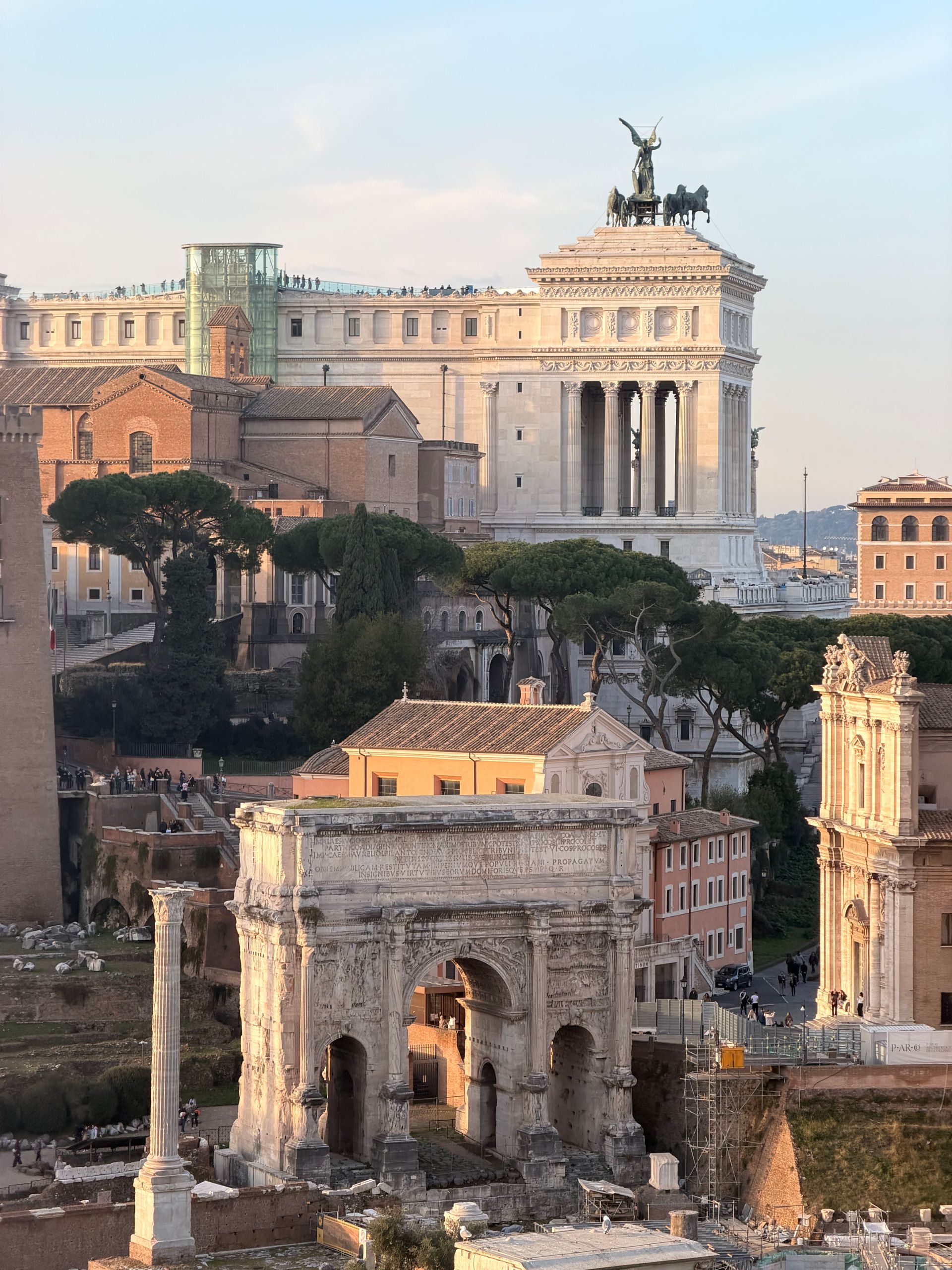
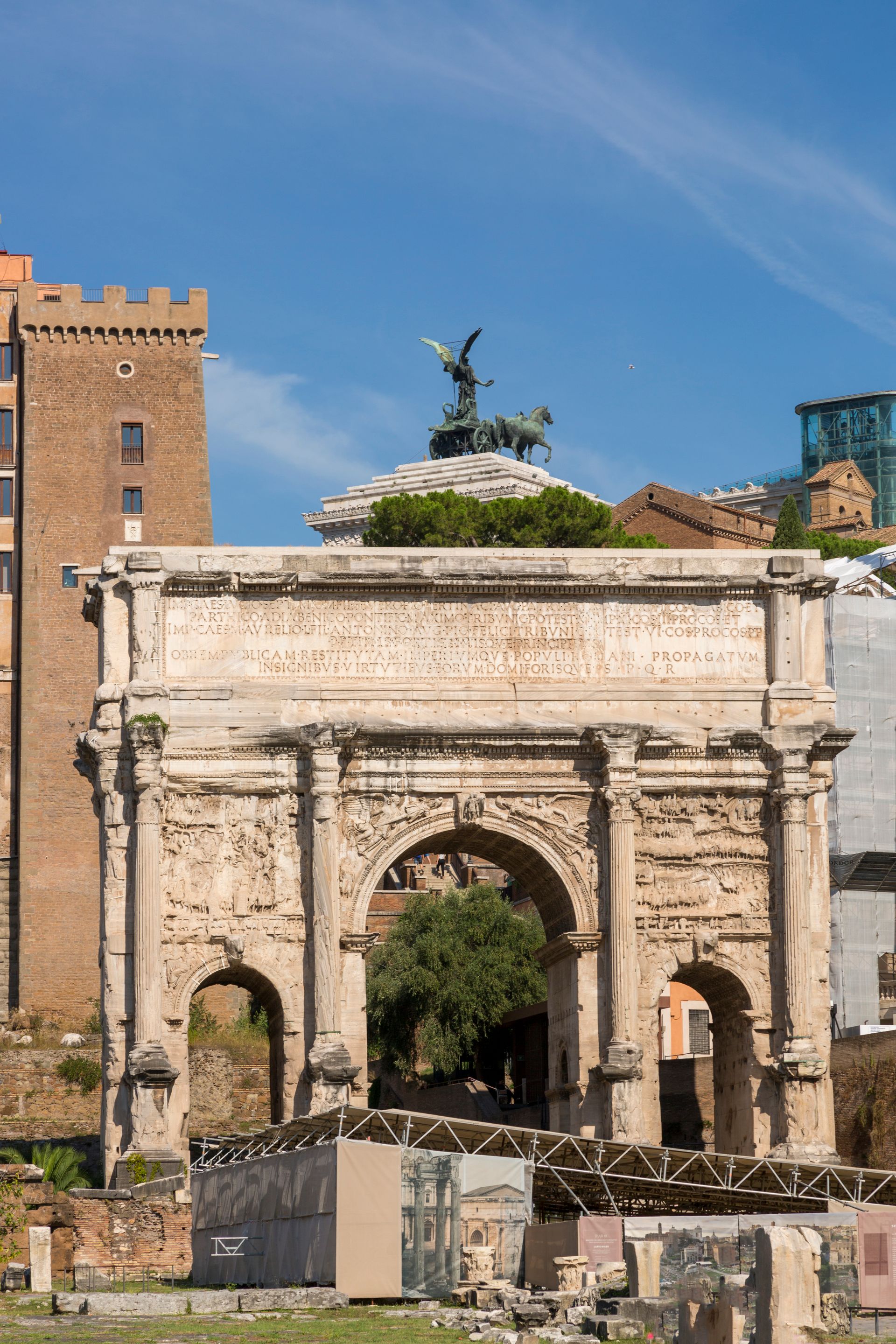
The Victor Emmanuel II National Monument, commonly referred to as the Vittoriano or, in a synecdochic manner, the Altare della Patria or Altar of the Fatherland, is a significant national monument constructed between 1885 and 1935 to commemorate Victor Emmanuel II, the inaugural king of a unified Italy, located in Rome, Italy. It is situated between Piazza Venezia and the Capitoline Hill. The monument was designed by Giuseppe Sacconi. Architecturally, it was envisioned as a modern forum, an agora comprising three levels interconnected by stairways and dominated by a portico featuring a colonnade. The intricate process of national unity and liberation from foreign rule, spearheaded by King Victor Emmanuel II of Savoy, to whom the monument is dedicated, holds substantial symbolic and representative significance, being architecturally and artistically focused on the unification of Italy; thus, the Vittoriano is regarded as one of national symbols of Italy. Additionally, it houses the Altar of the Fatherland, which initially served as an altar for the goddess Roma and subsequently became a shrine for the Italian Unknown Soldier, thereby functioning as a secular temple dedicated to Italy. Due to its considerable representative importance, the entire Vittoriano is frequently referred to as the Altare della Patria, although this term specifically pertains to only a portion of the monument. Its design reflects a neoclassical interpretation of the Roman Forum, incorporating stairways, Corinthian columns, fountains, an equestrian statue of Victor Emmanuel II, and two statues of the goddess Victoria riding on quadrigas. The Vittoriano is positioned on the Capitoline Hill, at the symbolic heart of ancient Rome, and is linked to the modern city through roads radiating from Piazza Venezia. At its apex stands a grand portico characterized by an extensive colonnade and two grand propylaea. The base of the monument accommodates the museum of Italian unification, and in 2007, a lift was integrated into the structure, enabling visitors to reach the roof for panoramic views of Rome. The monument features the Tomb of the Italian Unknown Soldier, which is accompanied by an eternal flame and was constructed beneath the statue of the goddess Roma after World War I, inspired by the vision of General Giulio Douhet. This tomb serves as a symbolic shrine honoring all those who fell or went missing during the war. The side of tomb that the Unknown Soldier that faces the Altar of the Fatherland is perpetually guarded by an honour guard and is flanked by two flames that burn continuously in braziers. Adjacent to the external base of the Vittoriano, at the entrance to Piazza Venezia, are the -- fountains of the two seas --, which pay tribute to the Adriatic Sea and the Tyrrhenian Sea. These fountains are situated within a flower bed and have been equipped from the outset with a hydraulic system that recycles water to prevent waste. The Altar of the Fatherland is the most renowned section of the Vittoriano and is frequently associated with it. At the top of the entrance stairway, it was crafted by the Brescian sculptor Angelo Zanelli, who triumphed in a competition specifically organized in 1906. Following the Altar of the Fatherland is the equestrian statue of Victor Emmanuel II, a bronze creation by Enrico Chiaradia, which serves as the architectural focal point of the Vittoriano. The base of this equestrian statue features sculptural representations of 14 Italian noble cities, specifically the capitals of Italian states established prior to the Savoy monarchy. #History #Architecture

   This article uses text information from the Wikipedia article – Victor_Emmanuel_II_Monument – [Wikipedia-Article-Link: https://en.wikipedia.org/wiki/Victor_Emmanuel_II_Monument ] which is released under the -- Creative Commons Attribution-ShareAlike 4.0 License – [License-Link: https://creativecommons.org/licenses/by-sa/4.0/deed.en ( https://en.wikipedia.org/wiki/Wikipedia:Text_of_the_Creative_Commons_Attribution-ShareAlike_4.0_International_License )] and additional terms may apply. [List of Principal Authors (5 or less) of the Wikipedia-Article on the date of this Article being Created in this Website: - ~LukeWiller, Sweetmaple23, Vaselineeeeeeee, Abductive, Epolk] [Use the following Authorship tool to find out the author contributions:- https://xtools.wmcloud.org/authorship ] [The Current Article on this Website has been paraphrased from the above linked corresponding Wikipedia-Article and You may redistribute this, verbatim or modified, provided that you comply with the terms of the Creative Commons Attribution-ShareAlike 4.0 License] [License-Link: https://creativecommons.org/licenses/by-sa/4.0/deed.en ( https://en.wikipedia.org/wiki/Wikipedia:Text_of_the_Creative_Commons_Attribution-ShareAlike_4.0_International_License )]

   [Image: Breathtaking view of the Altar of the Fatherland and Roman Forum in Rome, Italy at sunset; Image-Author: Valentina Bešker] [Image-Source-Link: https://www.pexels.com/photo/scenic-view-of-rome-s-iconic-monument-and-ancient-arch-36369389/ ] [License-Link: https://www.pexels.com/license/ ] [Please Also Relate to Original Individual Text and Image URLs for More Usage Property and Sharing, Remixing or Attributing the Contents] [Contents on Wikipedia is covered by – Disclaimer – [Wikipedia-Disclaimer-Link: https://en.wikipedia.org/wiki/Wikipedia:General_disclaimer ] [Contents in this Website is also covered by Disclaimer linked at the bottom of the Page] [This website article means no intellectual appropriation by any way and only wishes to contribute in sharing of knowledge]


  Heritage Places, Castles & Architecture  


Click on Images for Information



Disclaimer   Privacy Policy   Disclosure   User-Manual   Contact   About Us