Heritage Places, Castles & Architecture  


Click on Images for Information


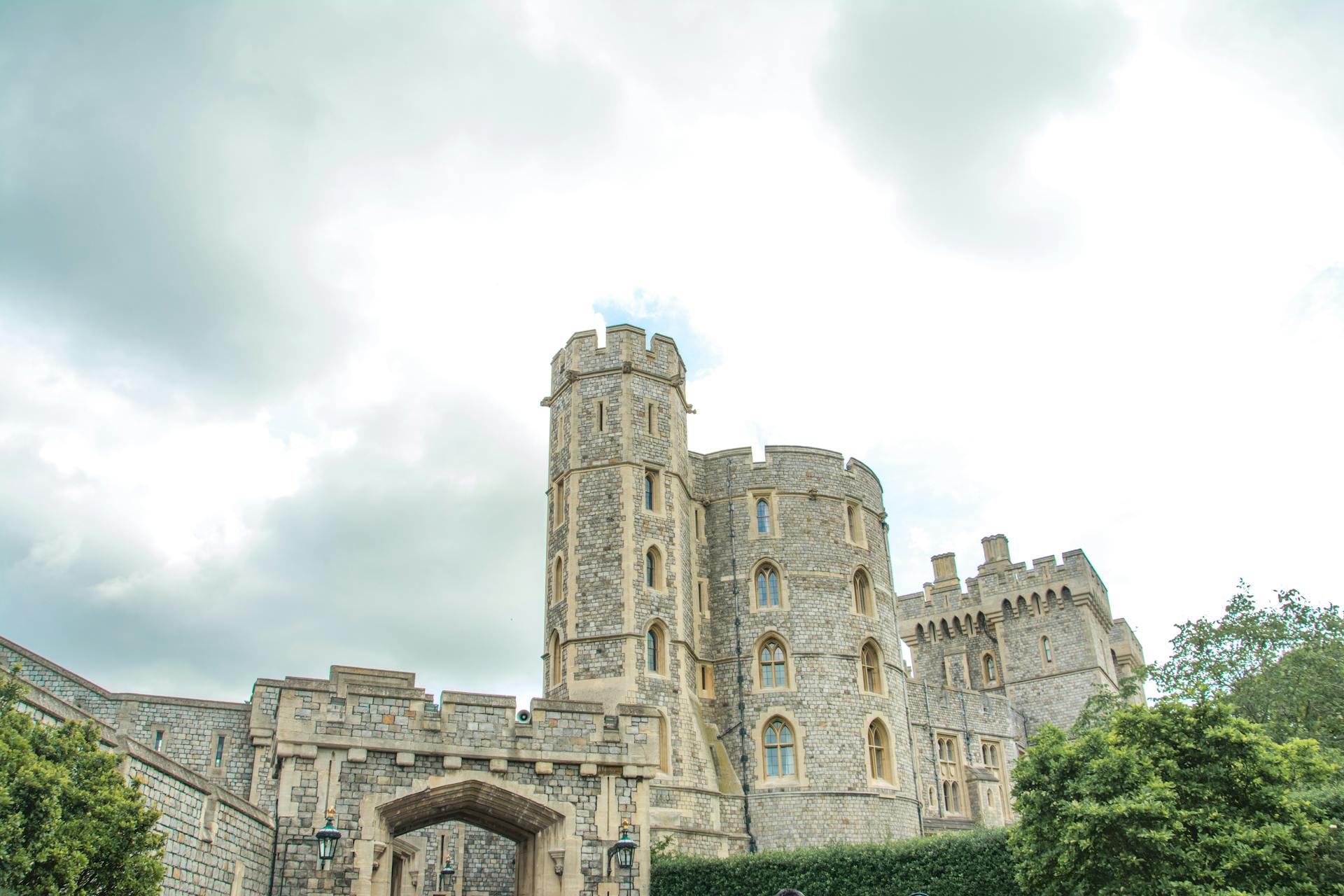
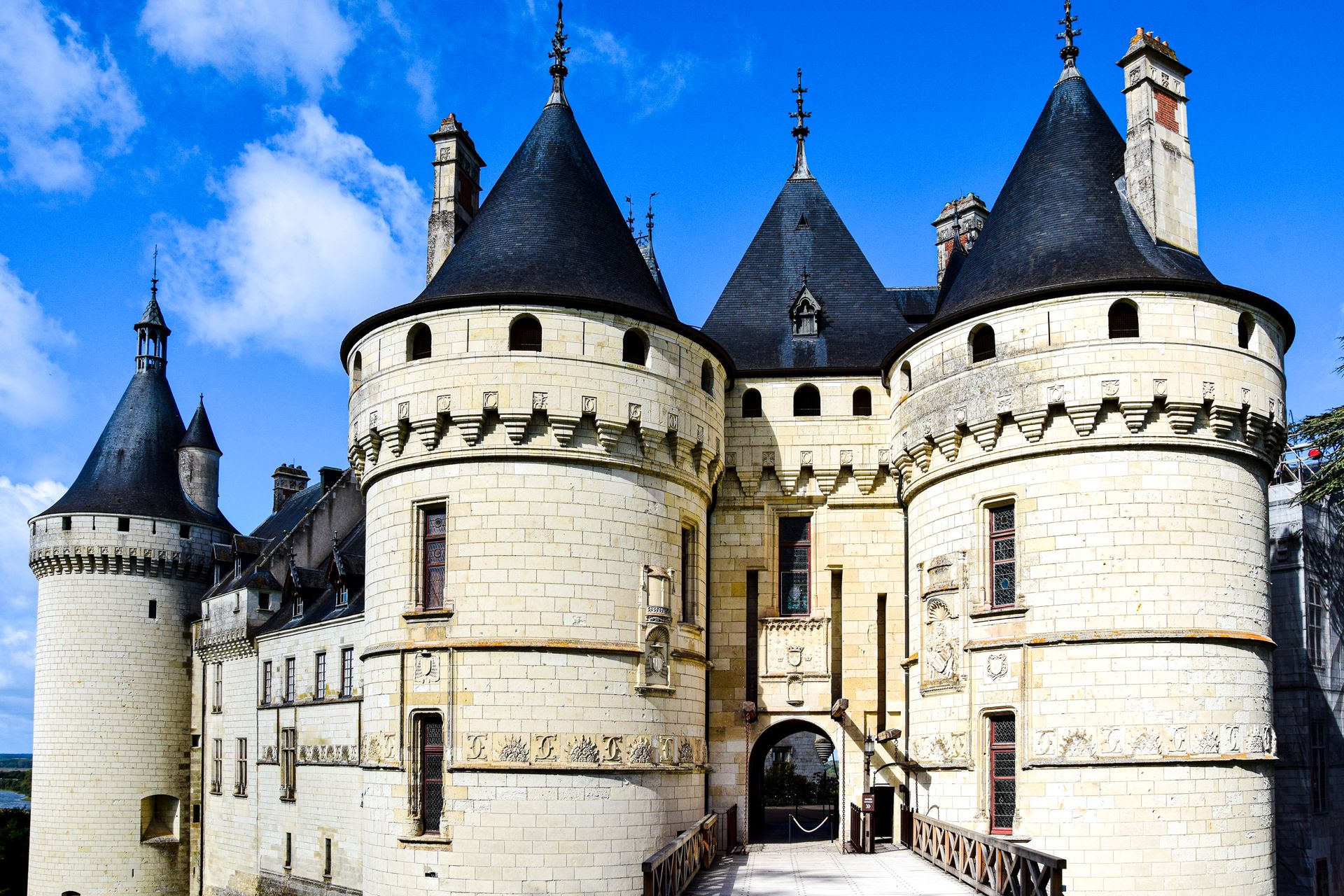
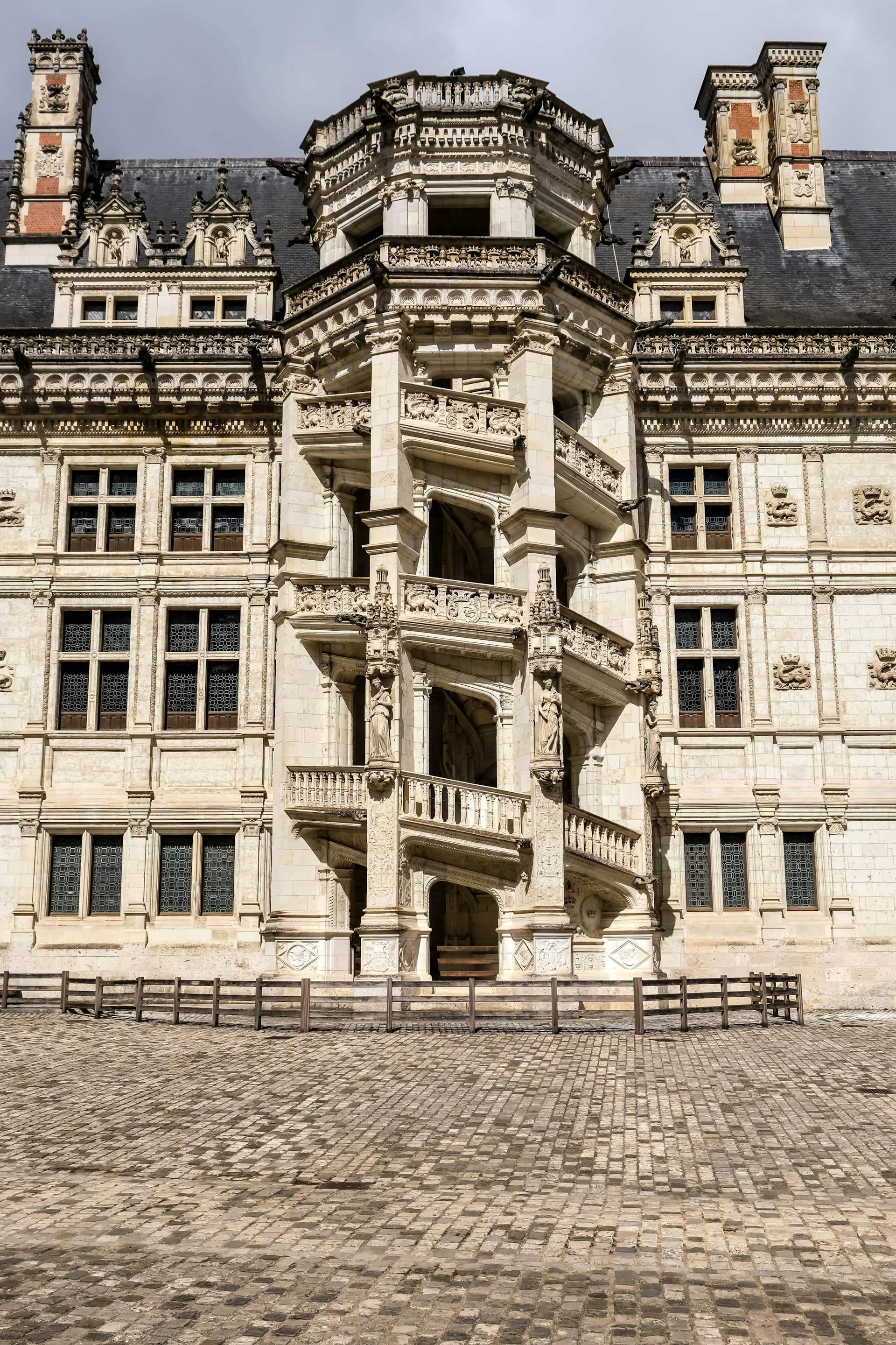
The Château de Chaumont, formally known as Château de Chaumont-sur-Loire, is a historic castle located in Chaumont-sur-Loire, within the Centre-Val de Loire region of France. The initial structure on this site, positioned between Blois and Amboise, was constructed in the 10th century by Odo I, Count of Blois, to safeguard his territories from incursions by his feudal adversary, Fulk Nerra, Count of Anjou. On behalf of Odo, the Norman Gelduin was entrusted with the castle, where he made enhancements and claimed it as his own. The château was later inherited by his great-niece, Denise de Fougère, who, upon marrying Sulpice dAmboise, transferred ownership to the Amboise family for a duration of five centuries. Pierre of the Amboise family attempted a rebellion against King Louis XI, resulting in the confiscation of his estate and the dismantling of the castle by royal decree in 1465. Subsequently, it was reconstructed by Charles I of the Amboise family from 1465 to 1475, and completed by his son, Charles II, from 1498 to 1510, with assistance from his uncle. Although the buildings maintained a predominantly medieval aesthetic, some Renaissance elements were incorporated. In 1550, Catherine de Medici acquired the château, where she hosted numerous astrologers, including Nostradamus. Following the death of her husband, Henry II, in 1559, she compelled his mistress, Diane de Poitiers, to relinquish the Château de Chenonceau in exchange for the Château de Chaumont. Diane de Poitiers resided at Chaumont for a brief period. Upon the death of granddaughter of Diane, Charlotte de la Marck, in 1594, the château was inherited by her spouse, the Duke of Bouillon, who subsequently sold it to a tax farmer named Largentier, who had amassed wealth through the collection of the salt tax known as the gabelle. After arrest of Largentier for embezzlement, the château and the title of sieur de Chaumont were transferred to a family from Lucca, who retained ownership until 1667, when it was passed through familial ties to the seigneurs de Ruffignac. In 1699, Paul de Beauvilliers, duc de Beauvilliers and later duc de Saint-Aignan, purchased the château, modernizing some of its interiors and adorning it with considerable opulence. His eventual successor was compelled to sell Chaumont in order to settle debts owed to a maître des requêtes ordinaire of Louis XV, Monsieur Bertin, who subsequently demolished the north wing constructed by Charles II to enhance the house-view of the river in a contemporary style. In 1750, Jacques-Donatien Le Ray acquired the castle as a rural residence, where he initiated a glassmaking and pottery enterprise. However, in 1789, the newly established French Revolutionary government confiscated the properties of Le Ray, including his cherished Château de Chaumont. In 1875, Marie-Charlotte Say, the heiress to the Léon Say sugar fortune, purchased Chaumont. The castle has been designated as a Monument historique since 1840 by the French Ministry of Culture and later was transferred to state ownership in 1938 and is currently accessible to the public. #Castles #History #Architecture

 This article uses text information from the Wikipedia article – Château_de_Chaumont – [Wikipedia-Article-Link: https://en.wikipedia.org/wiki/Ch%C3%A2teau_de_Chaumont ] which is released under the -- Creative Commons Attribution-ShareAlike 4.0 License – [License-Link: https://creativecommons.org/licenses/by-sa/4.0/deed.en ( https://en.wikipedia.org/wiki/Wikipedia:Text_of_the_Creative_Commons_Attribution-ShareAlike_4.0_International_License )] and additional terms may apply. [List of Principal Authors (5 or less) of the Wikipedia-Article on the date of this Article being Created in this Website: - Wetman, Nev1, Garnet1106, Bohemian Baltimore, Bpierreb] [Use the following Authorship tool to find out the author contributions:- https://xtools.wmcloud.org/authorship ] [The Current Article on this Website has been paraphrased from the above linked corresponding Wikipedia-Article and You may redistribute this, verbatim or modified, provided that you comply with the terms of the Creative Commons Attribution-ShareAlike 4.0 License]  [License-Link: https://creativecommons.org/licenses/by-sa/4.0/deed.en ( https://en.wikipedia.org/wiki/Wikipedia:Text_of_the_Creative_Commons_Attribution-ShareAlike_4.0_International_License )]

[Image: Explore the grandeur of Château de Chaumont, a renaissance castle in France, Loire Valley; Image-Author: AXP Photography]    [Image-Source-Link: https://www.pexels.com/photo/gate-of-chateau-de-chenonceau-in-loire-valley-19136626/ ]   [License-Link: https://www.pexels.com/license/ ] [Please Also Relate to Original Individual Text and Image URLs for More Usage Property and Sharing, Remixing or Attributing the Contents] [Contents on Wikipedia is covered by – Disclaimer – [Wikipedia-Disclaimer-Link: https://en.wikipedia.org/wiki/Wikipedia:General_disclaimer ] [Contents in this Website is also covered by Disclaimer linked at the bottom of the Page] [This website article means no intellectual appropriation by any way and only wishes to contribute in sharing of knowledge]


  Heritage Places, Castles & Architecture  



Click on Images for Information



Disclaimer   Privacy Policy   Disclosure   User-Manual   Contact   About Us