 Heritage Places, Castles & Architecture
Click on Images for Information


@Heritage Places, Castles & Architecture
27-Jun-2026 07 pm
27-Jun-2026 07 pm
This article uses text information from the Wikipedia article – Schönbrunn_Palace – [Wikipedia-Article-Link: https://en.wikipedia.org/wiki/Sch%C3%B6nbrunn_Palace ] which is released under the -- Creative Commons Attribution-ShareAlike 4.0 License – [License-Link: https://creativecommons.org/licenses/by-sa/4.0/deed.en ( https://en.wikipedia.org/wiki/Wikipedia:Text_of_the_Creative_Commons_Attribution-ShareAlike_4.0_International_License )] and additional terms may apply. [List of Principal Authors (5 or less) of the Wikipedia-Article on the date of this Article being Created in this Website: - W. , 108.76.69.10, Vespadriver, Gryffindor, Xoruz] [Use the following Authorship tool to find out the author contributions:- https://xtools.wmcloud.org/authorship ] [The Current Article on this Website has been paraphrased from the above linked corresponding Wikipedia-Article and You may redistribute this, verbatim or modified, provided that you comply with the terms of the Creative Commons Attribution-ShareAlike 4.0 License] [License-Link: https://creativecommons.org/licenses/by-sa/4.0/deed.en ( https://en.wikipedia.org/wiki/Wikipedia:Text_of_the_Creative_Commons_Attribution-ShareAlike_4.0_International_License )]
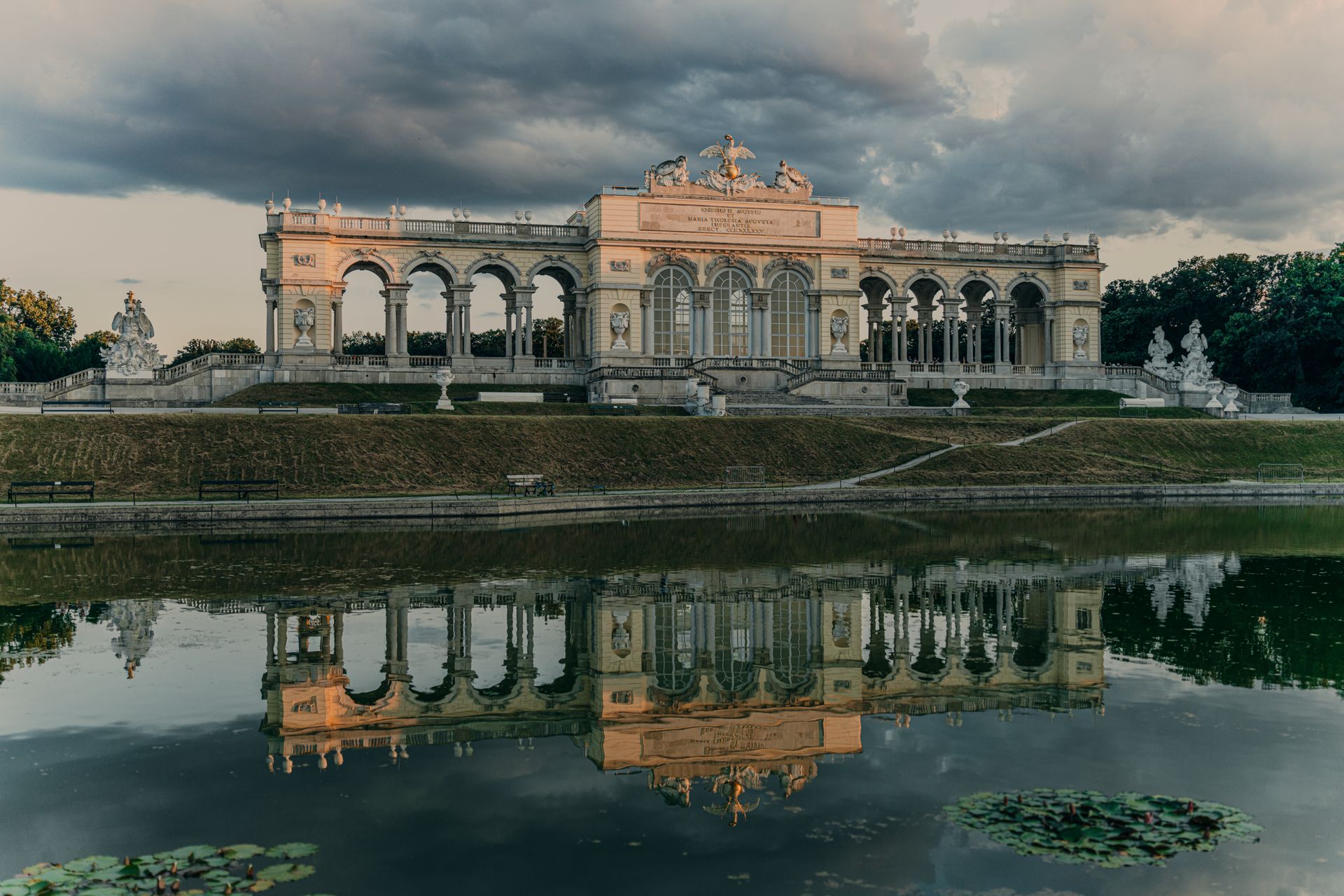
[Image: Majestic reflection of the Schonbrunn Palace Gloriette in Vienna, Austria with stunning architecture; Image-Author: thorl5] [Image-Source-Link: https://www.pexels.com/photo/elegant-schonbrunn-palace-gloriette-reflection-33634868/ ] [License-Link: https://www.pexels.com/license/ ] [Please Also Relate to Original Individual Text and Image URLs for More Usage Property and Sharing, Remixing or Attributing the Contents] [Contents on Wikipedia is covered by – Disclaimer – [Wikipedia-Disclaimer-Link: https://en.wikipedia.org/wiki/Wikipedia:General_disclaimer ] [Contents in this Website is also covered by Disclaimer linked at the bottom of the Page] [This website article means no intellectual appropriation by any way and only wishes to contribute in sharing of knowledge]
 Heritage Places, Castles & Architecture
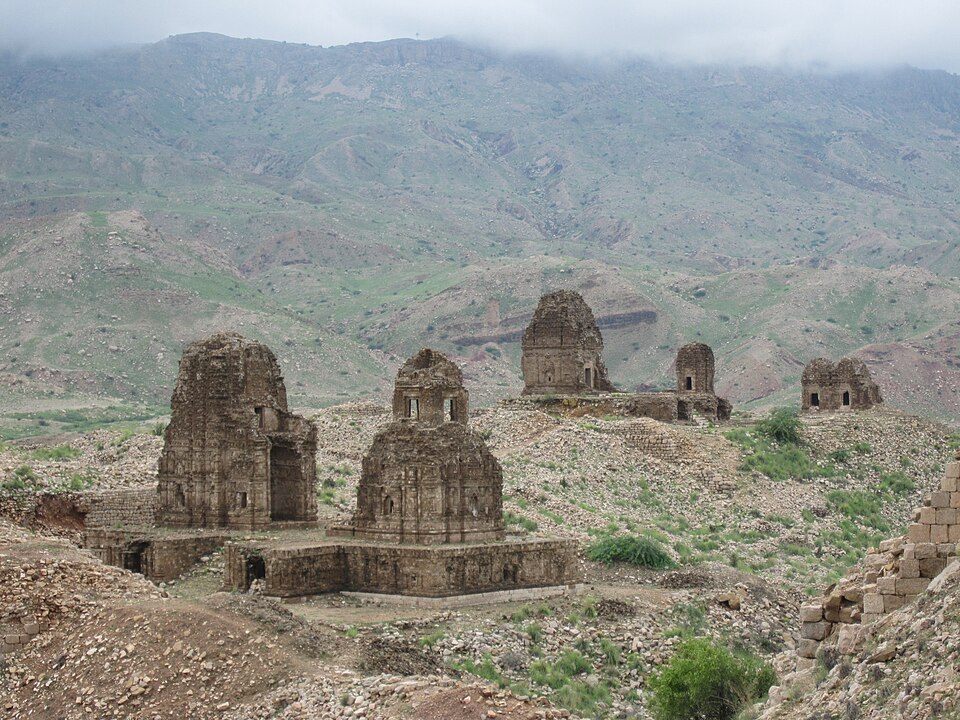
.jpg "Parameswara Tiru Located in the historic Pallava capital city of Kanchipuram in the modern-day Indian state of Tamil Nadu, Vinnagaram, also called the Vaikunta Perumal Temple, is a Hindu temple devoted to the god Vishnu. Originally called Paramechuravinnagaram in Tamil and Vishnugriha in Sanskrit, w")
Click on Images for Information