 Heritage Places, Castles & Architecture

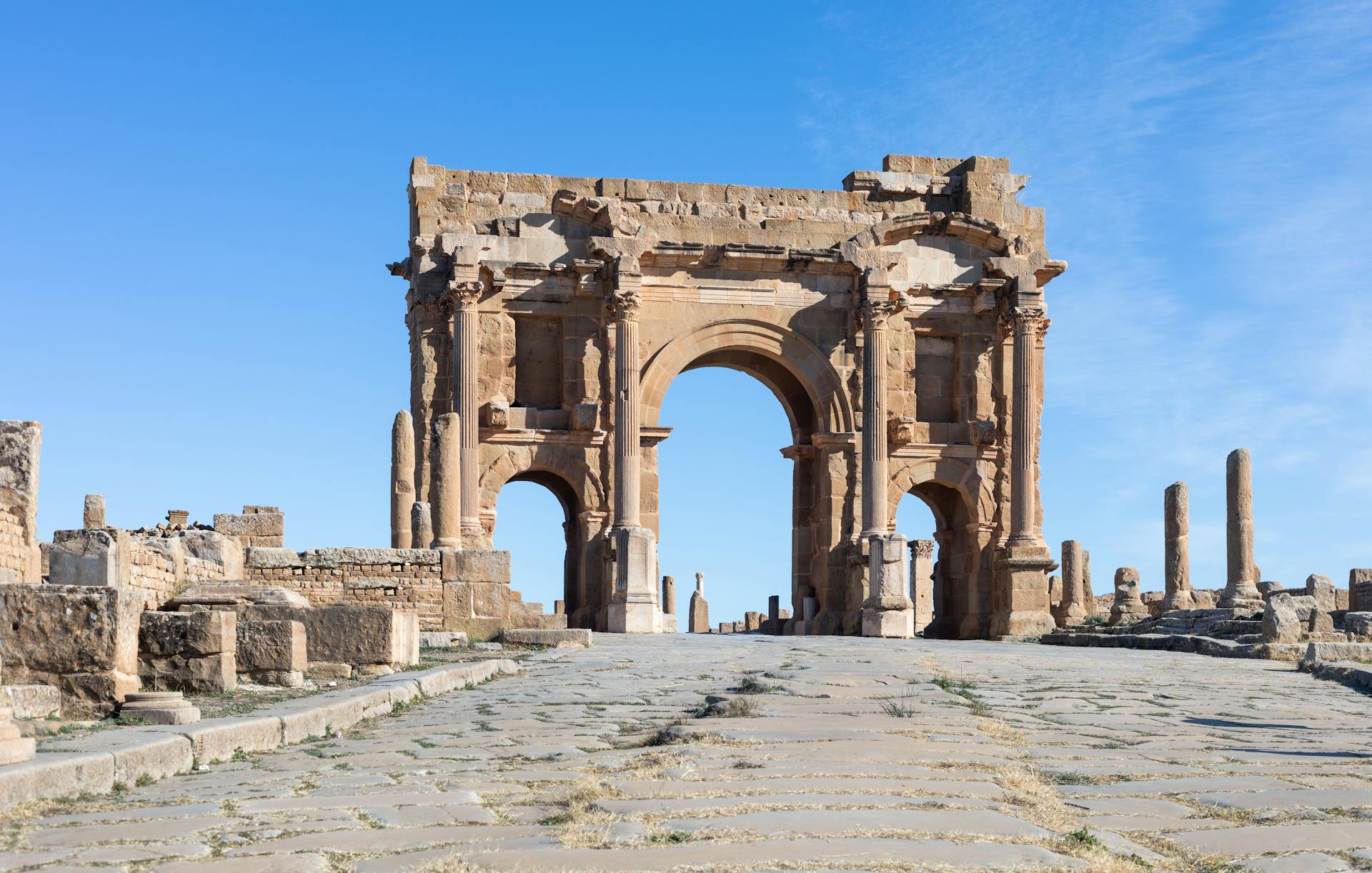
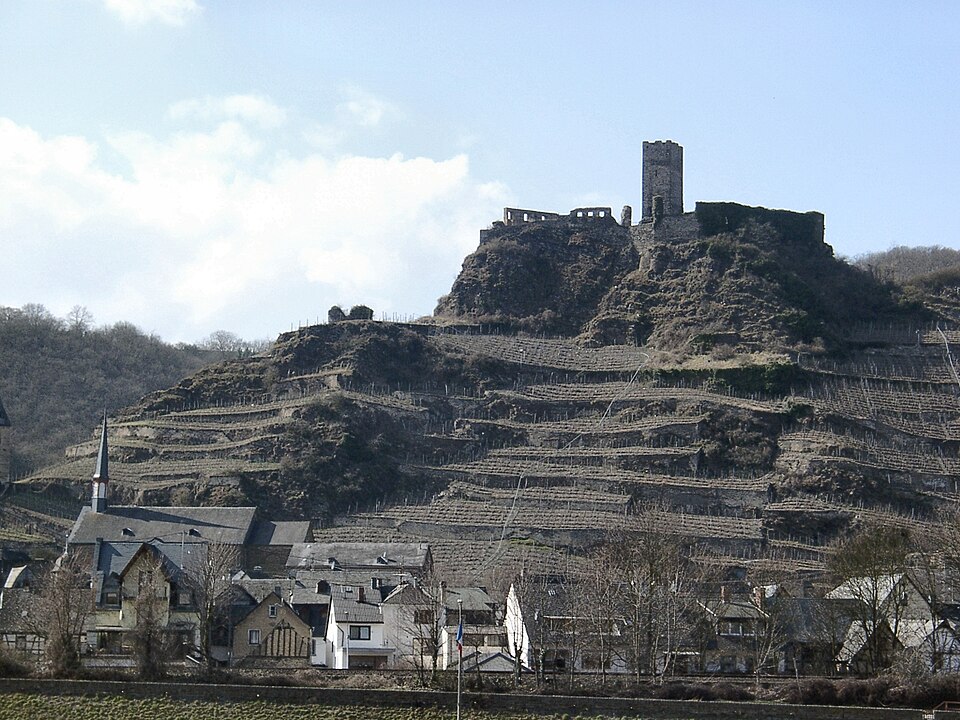
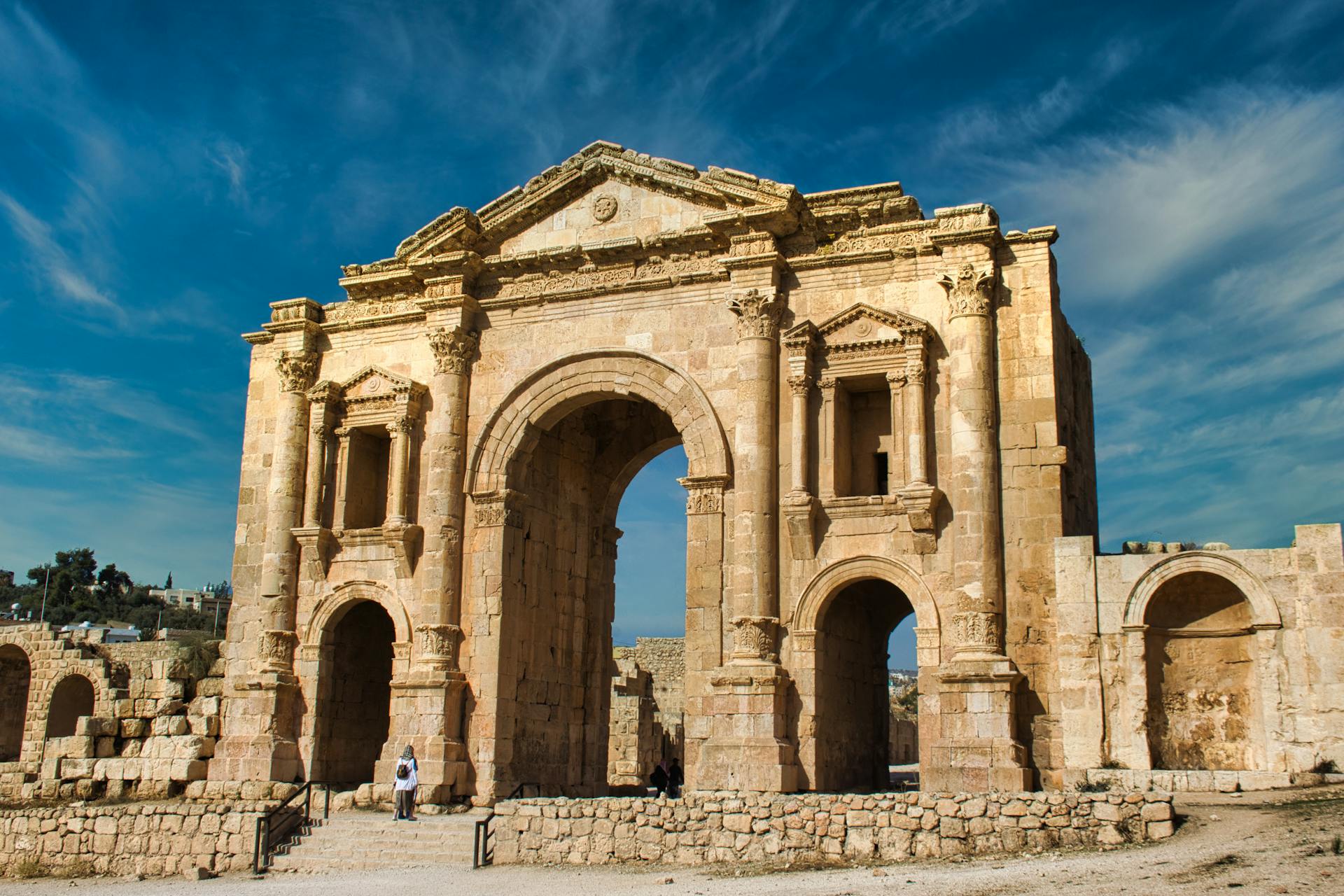
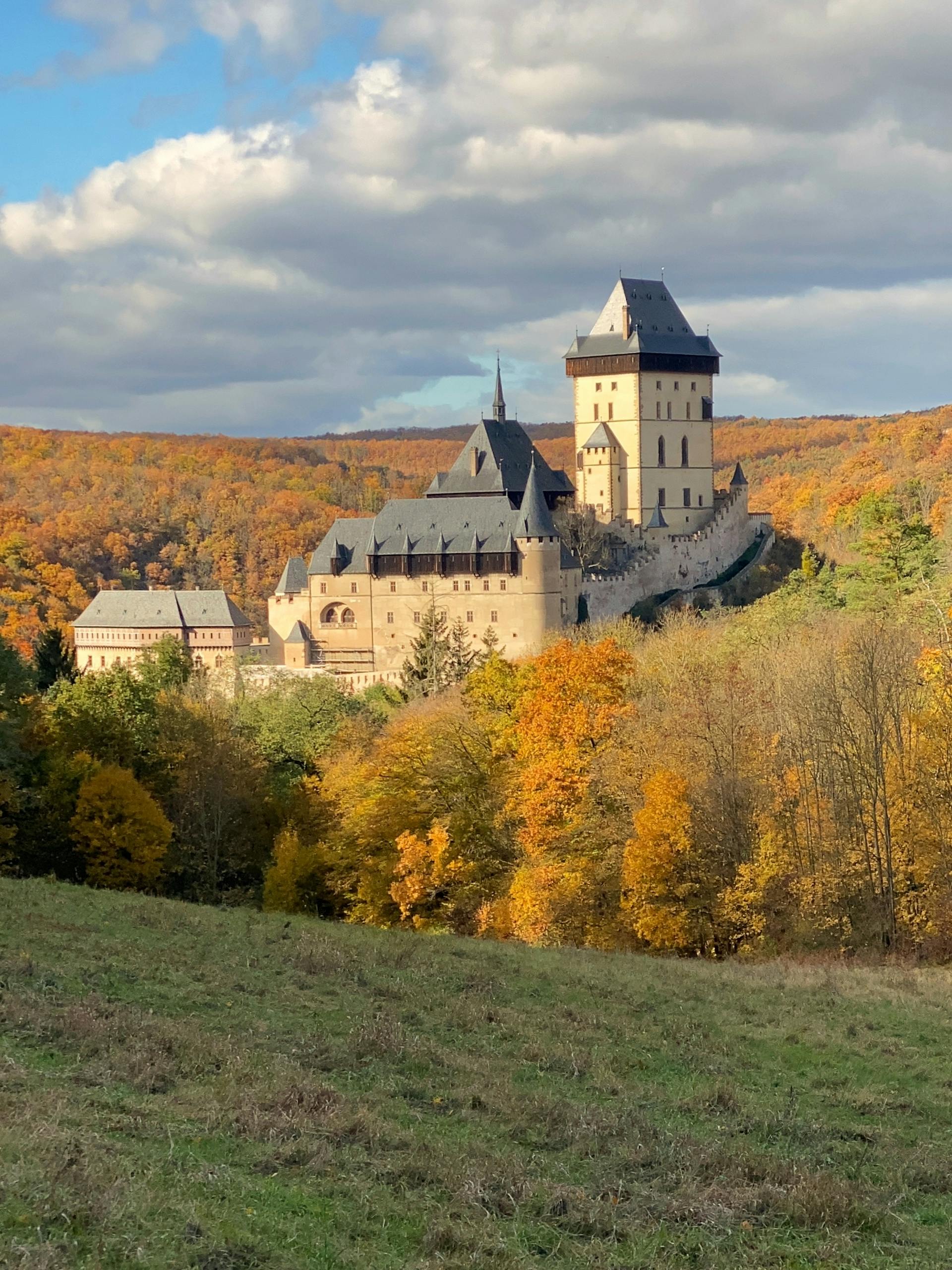
Click on Images for Information


@Heritage Places, Castles & Architecture
09-Apr-2026 05 am
09-Apr-2026 05 am
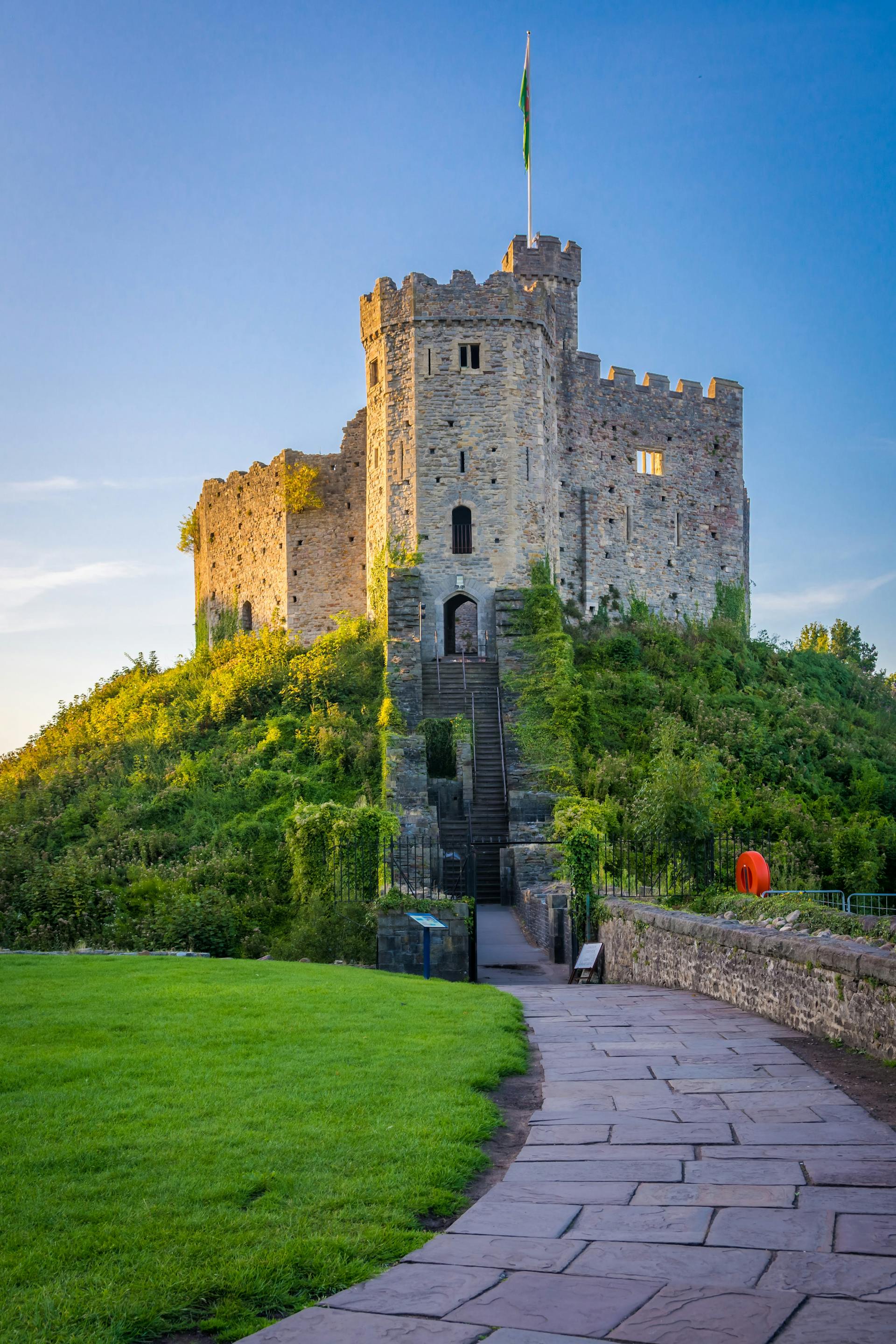
[Text-Information-Source: British Castles by Charles Henry Ashdown (1856-1922)] [The book is in the public domain in the United States of America, and possibly other nations.] [Image: Cardiff Castle in Wales; Image-Author: Balazs Bezeczky] [N.B.: Cardiff Castle is an example of Shell Keep] [Image-Source-Link: https://www.pexels.com/photo/cardiff-castle-in-wales-5743993/ ] [License-Link: https://www.pexels.com/license/ ] [Please Also Relate to Original Image URL for More Usage Property and Sharing, Remixing or Attributing the Contents] [This website article means no intellectual appropriation by any way and only wishes to contribute in sharing of knowledge]
 Heritage Places, Castles & Architecture
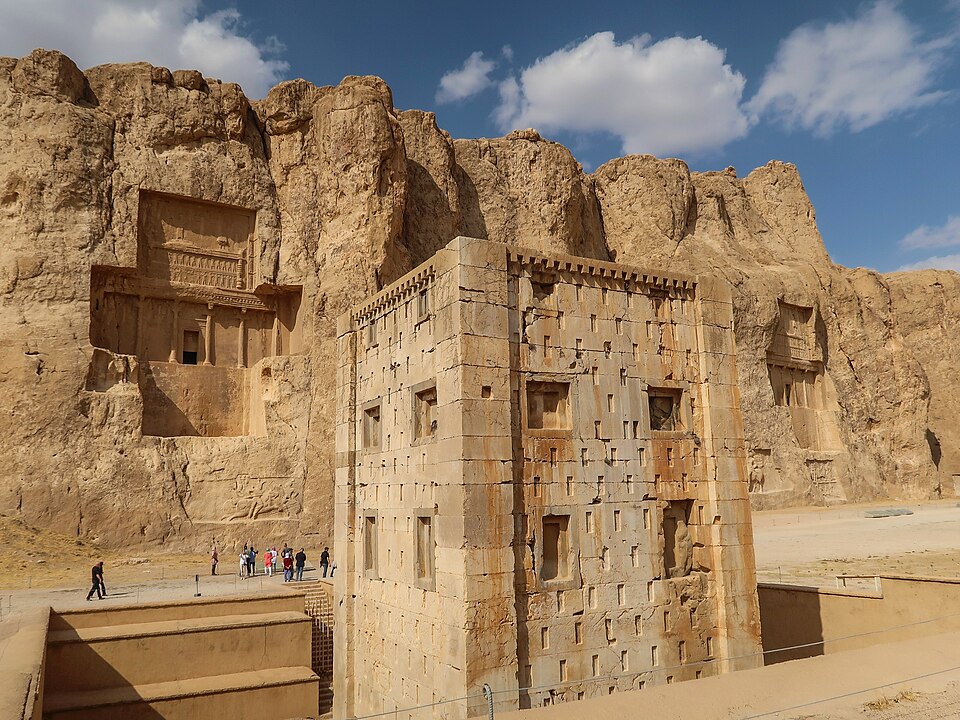

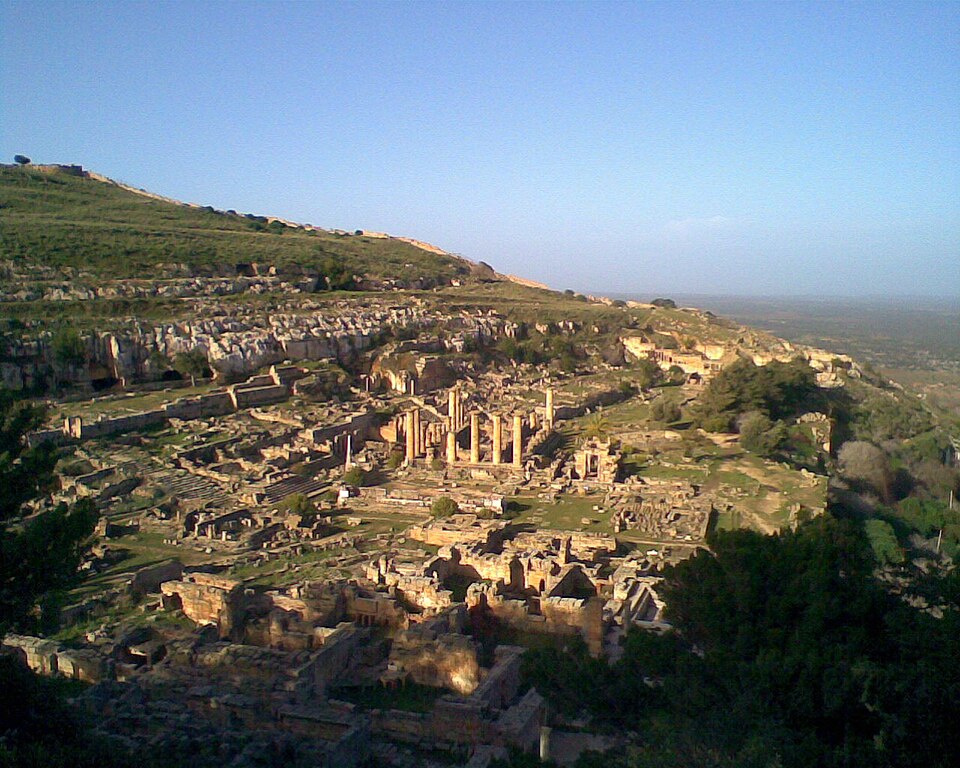
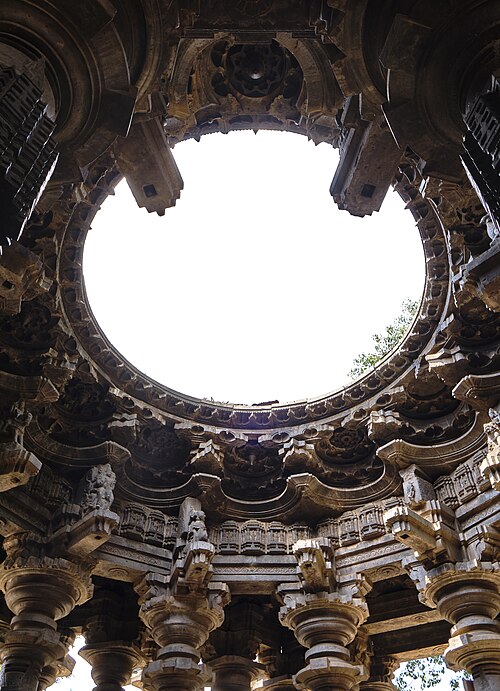
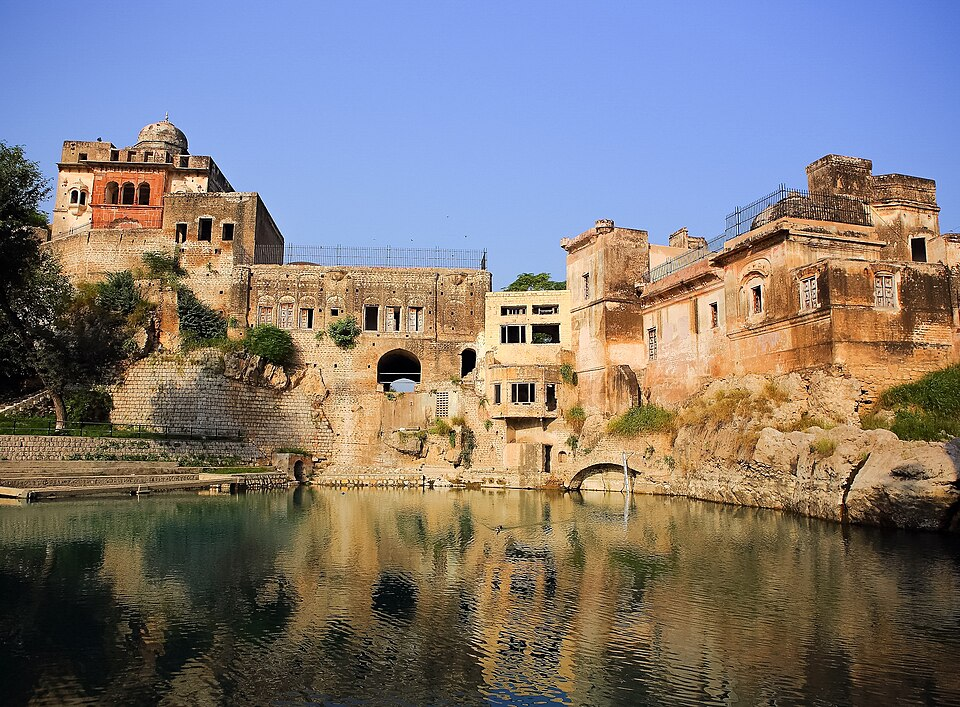
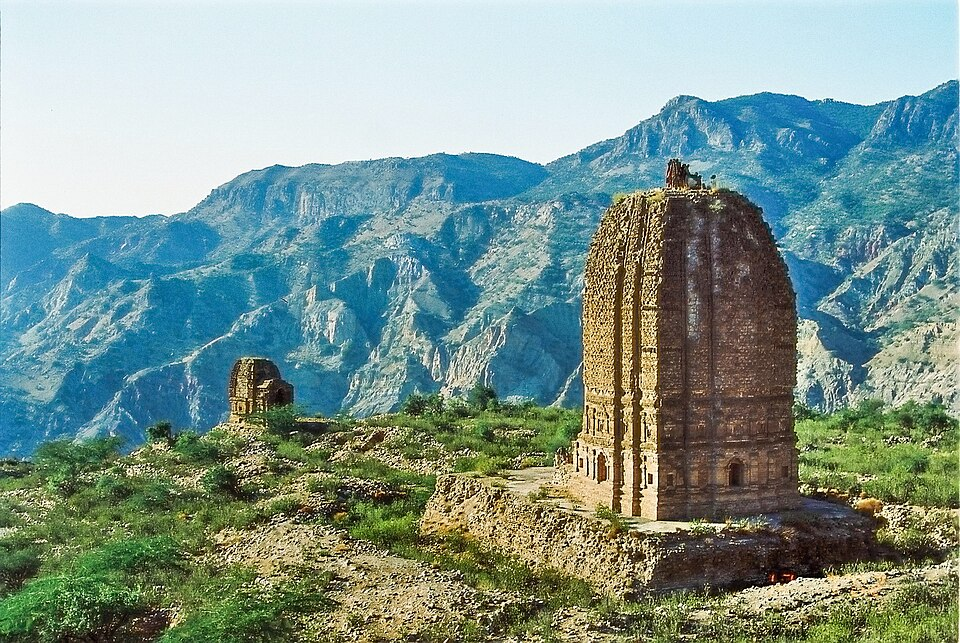
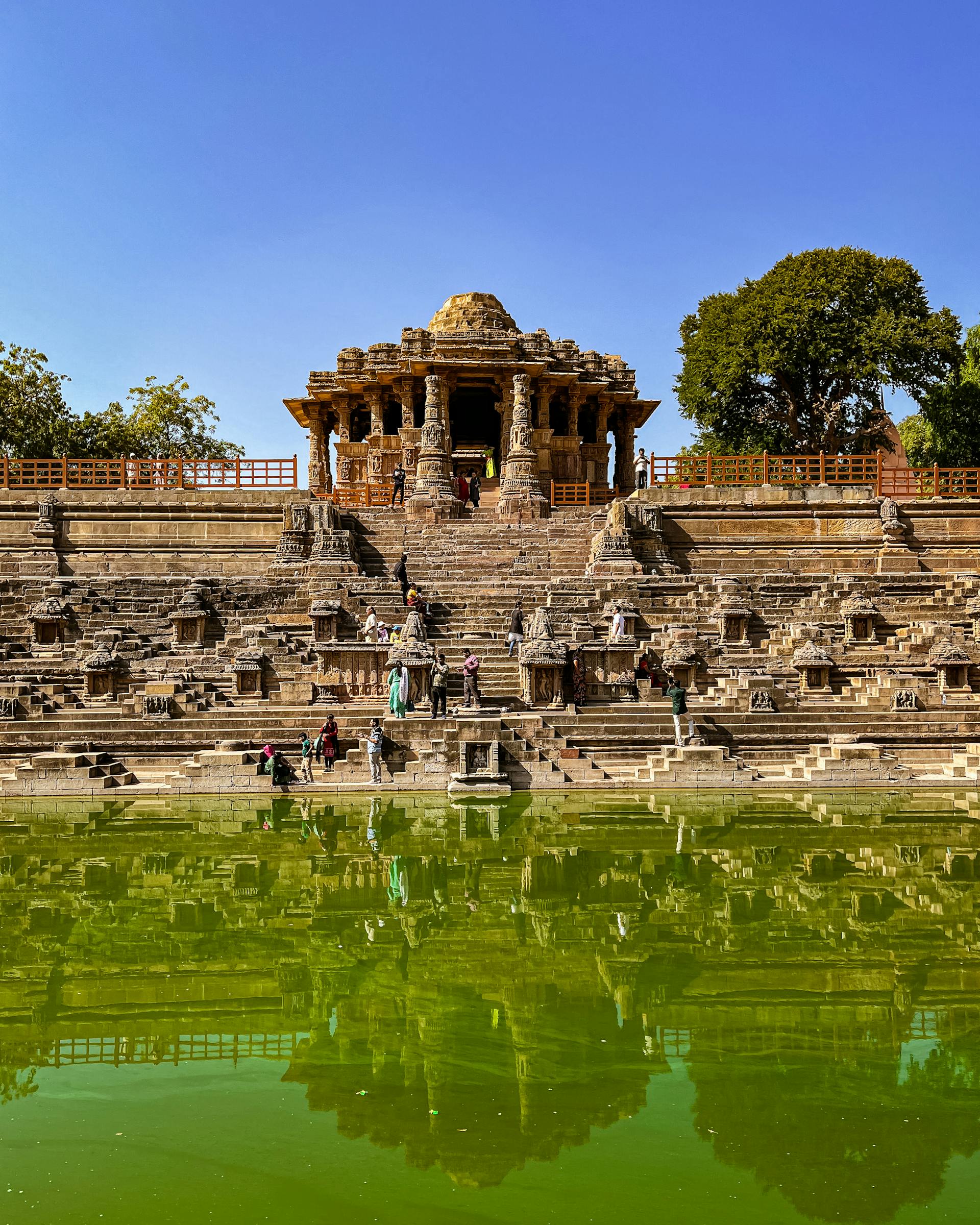
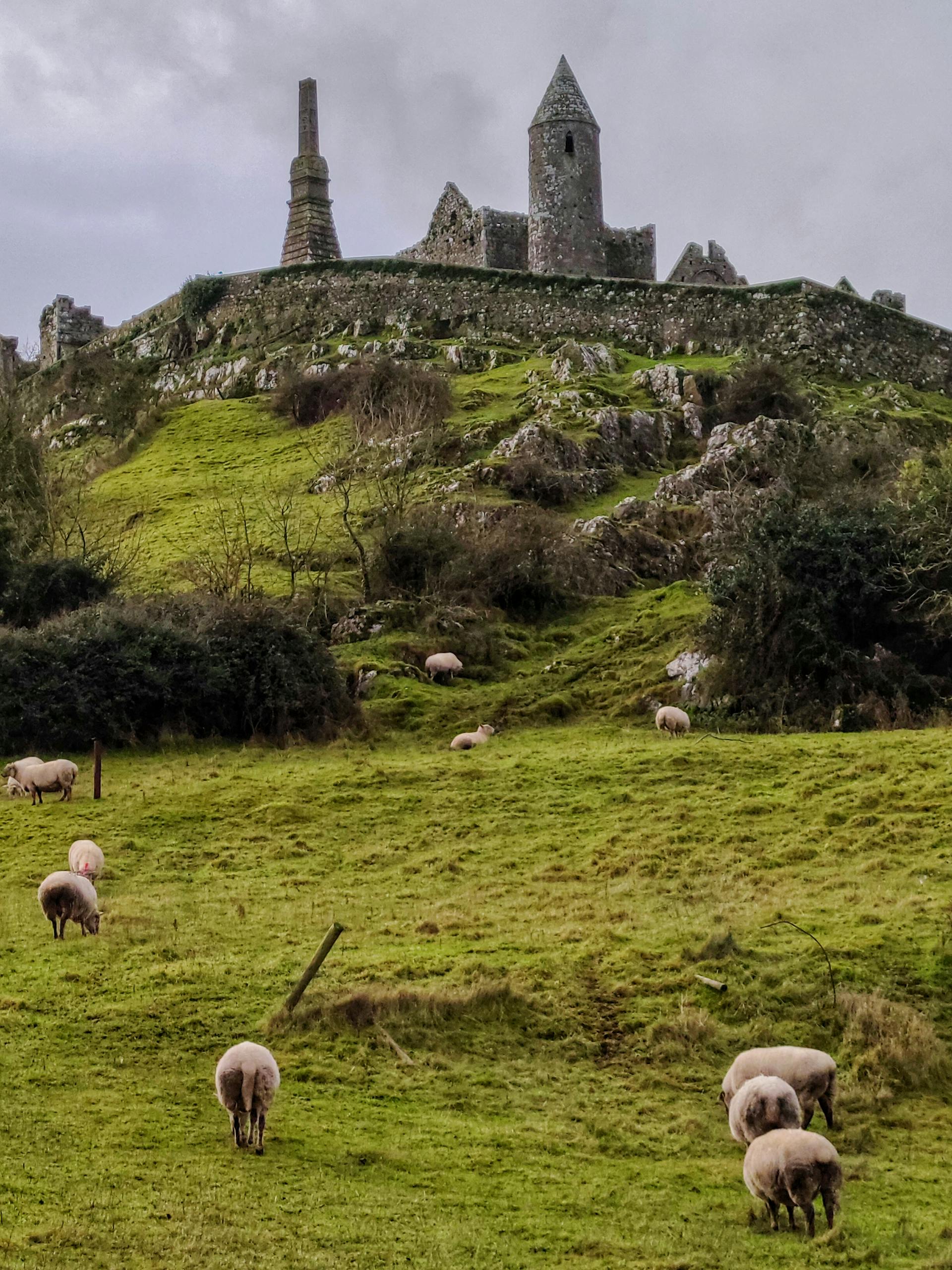
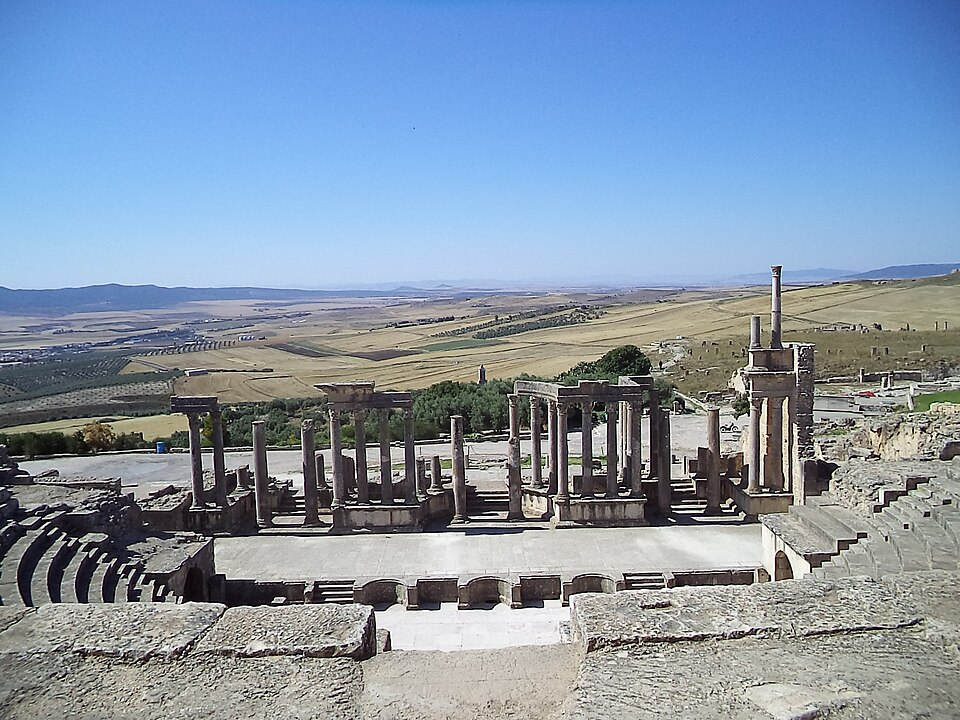
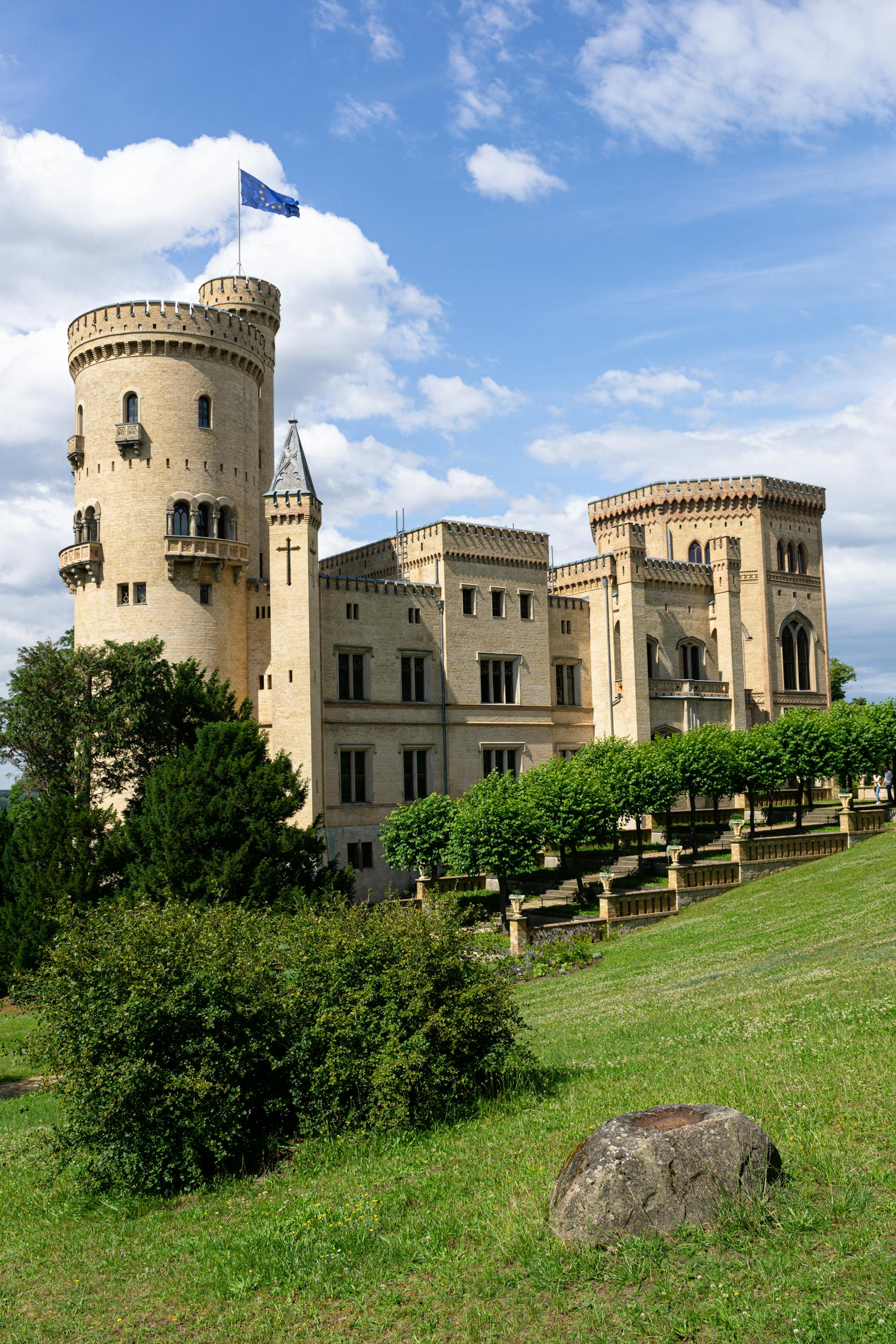

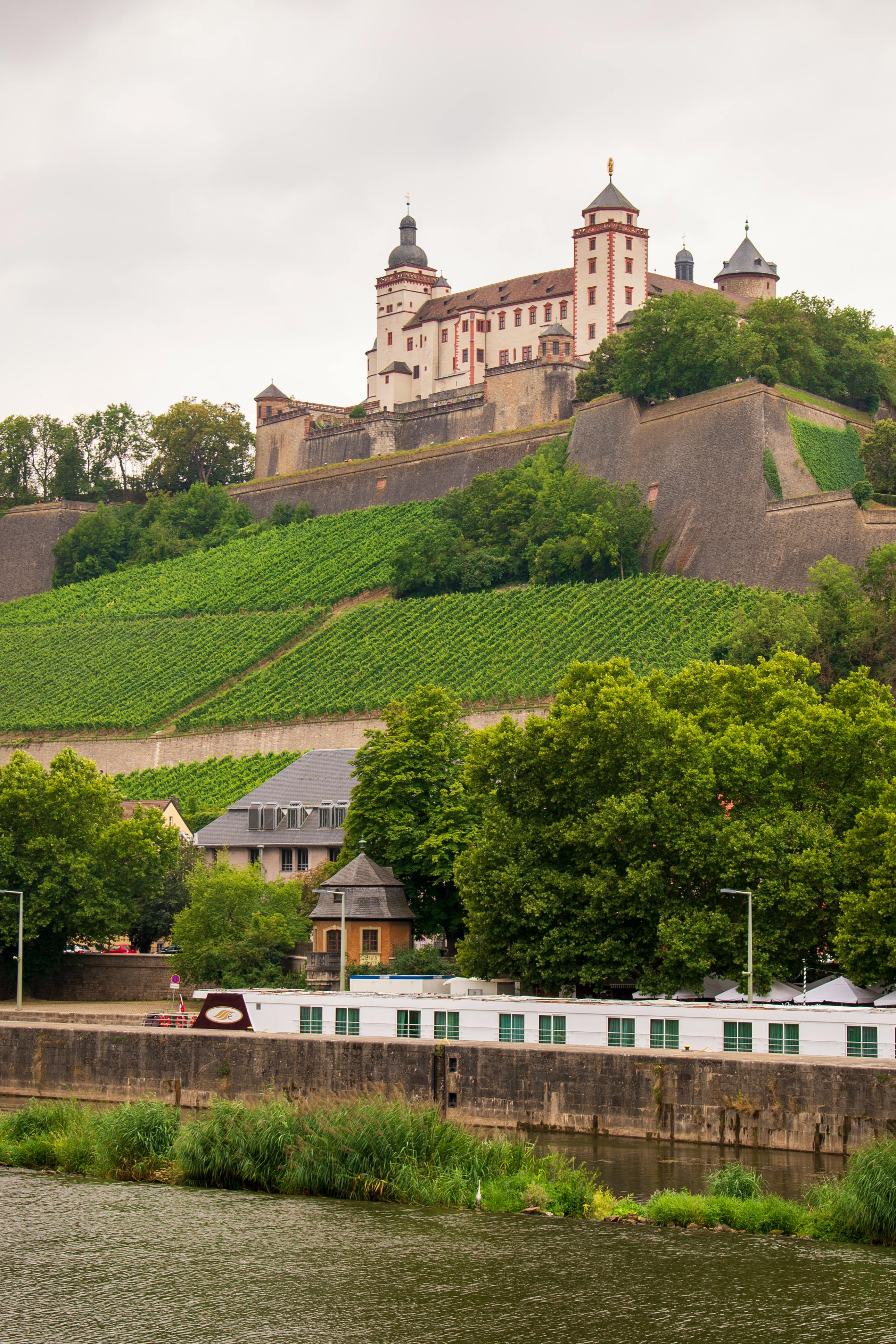
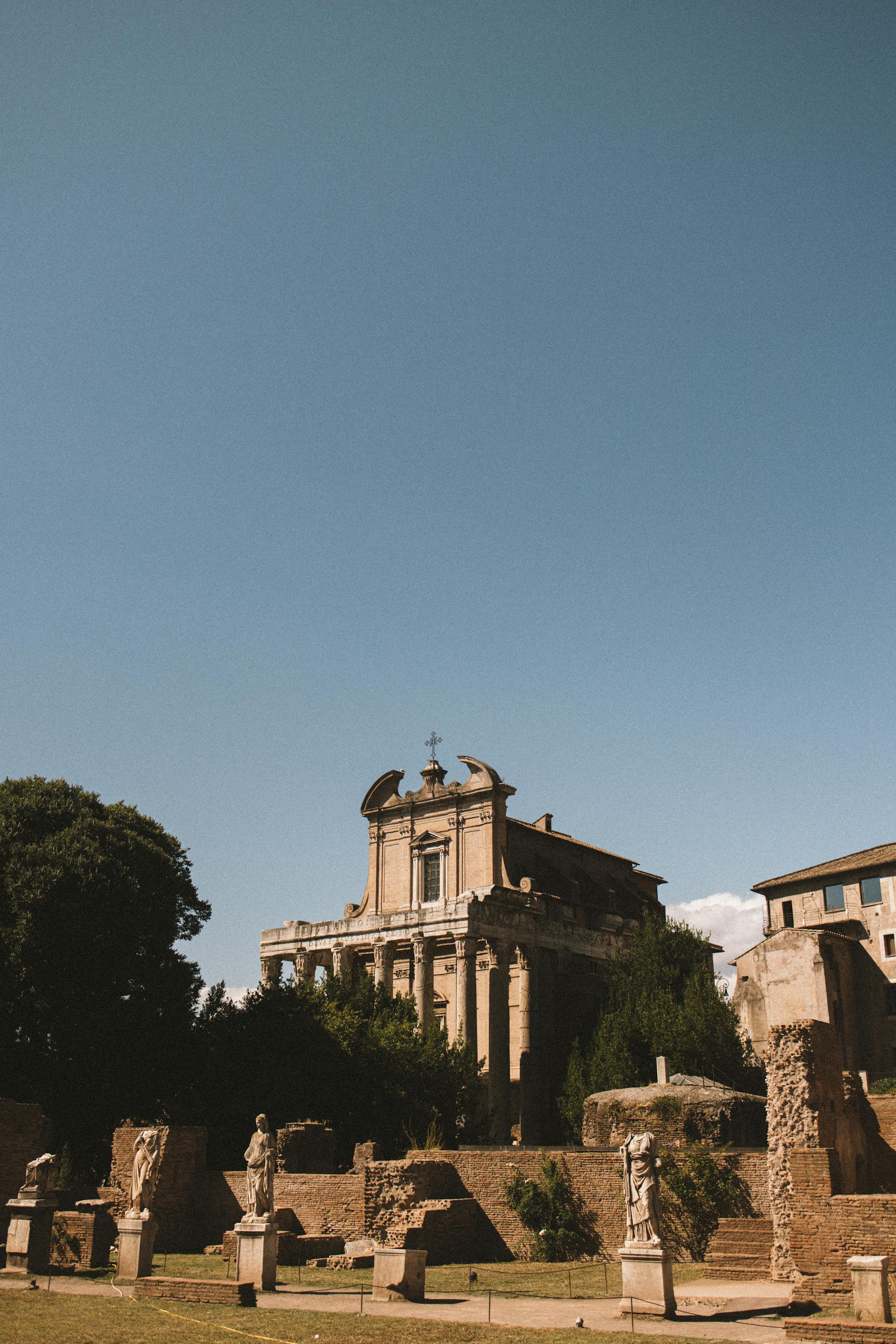
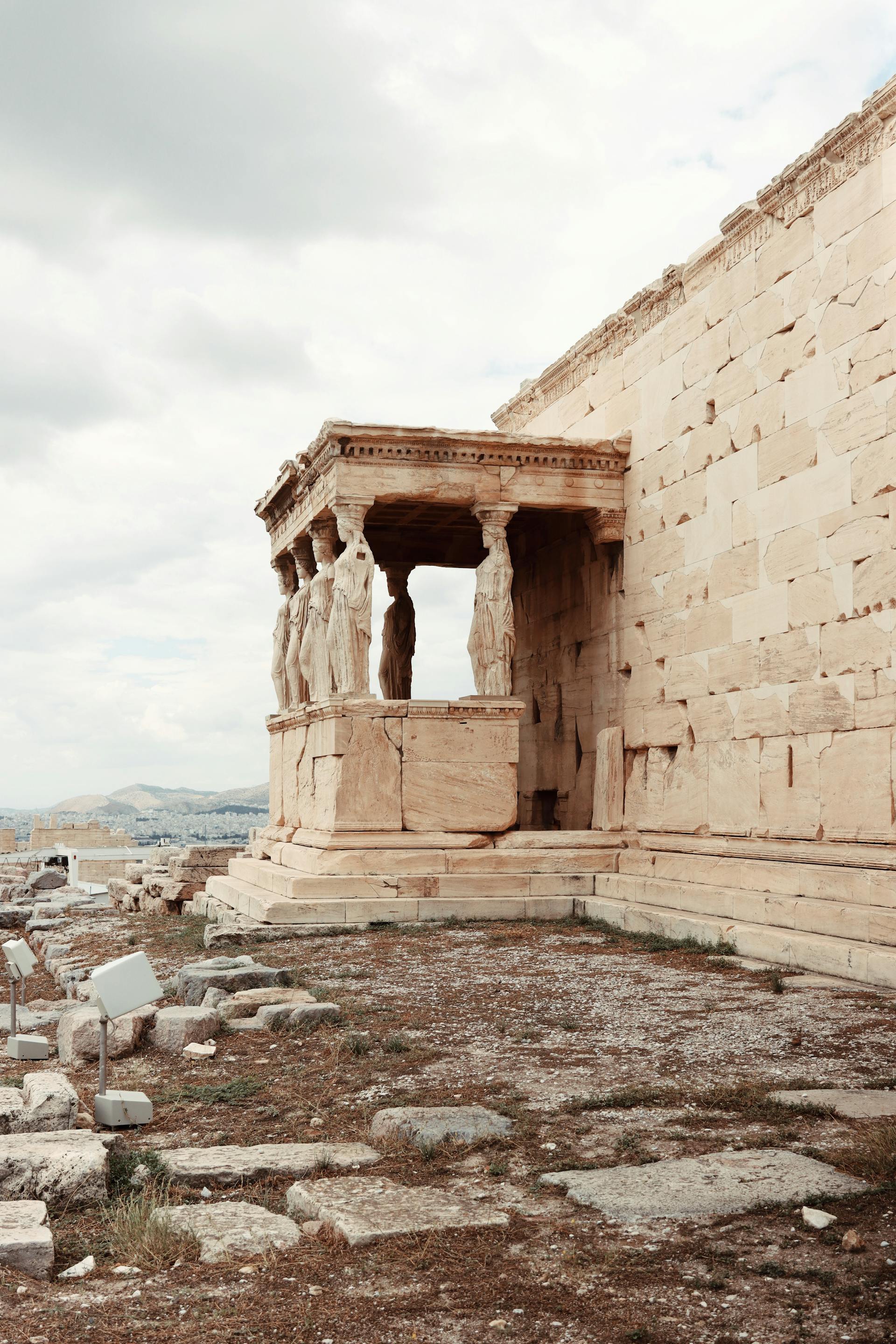
.jpg "The Athenians built the Athenian Treasury at Delphi to store votive offerings and dedications offered to the shrine of Apollo by their city and its residents. Parian marble is used throughout the entire treasury, including the sculptures that adorn it. Scholarly opinions on the building date vary fr")
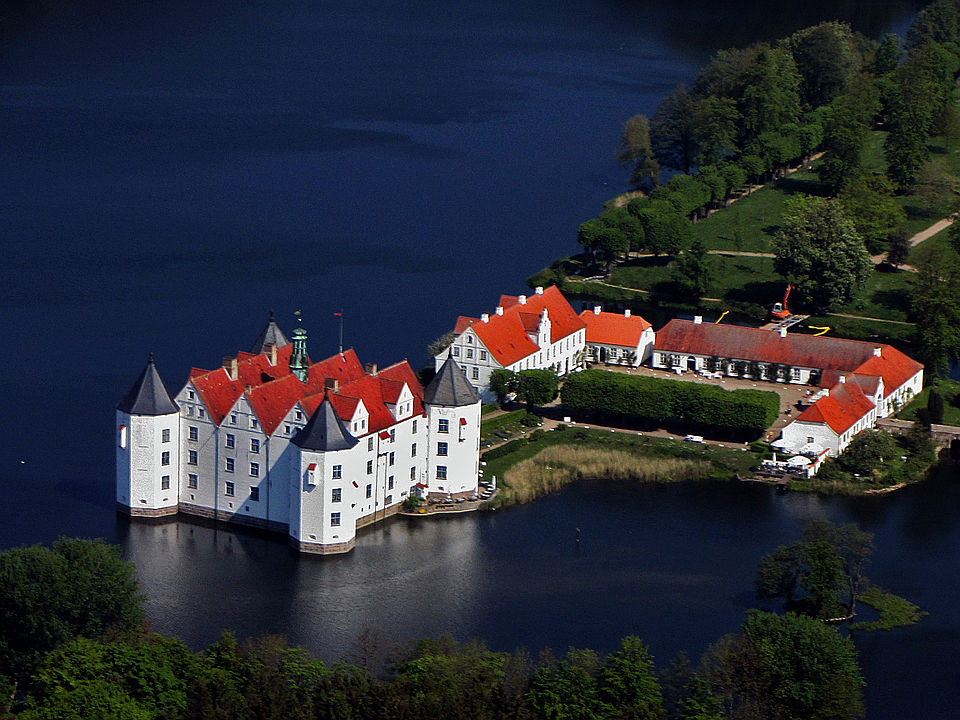
Click on Images for Information
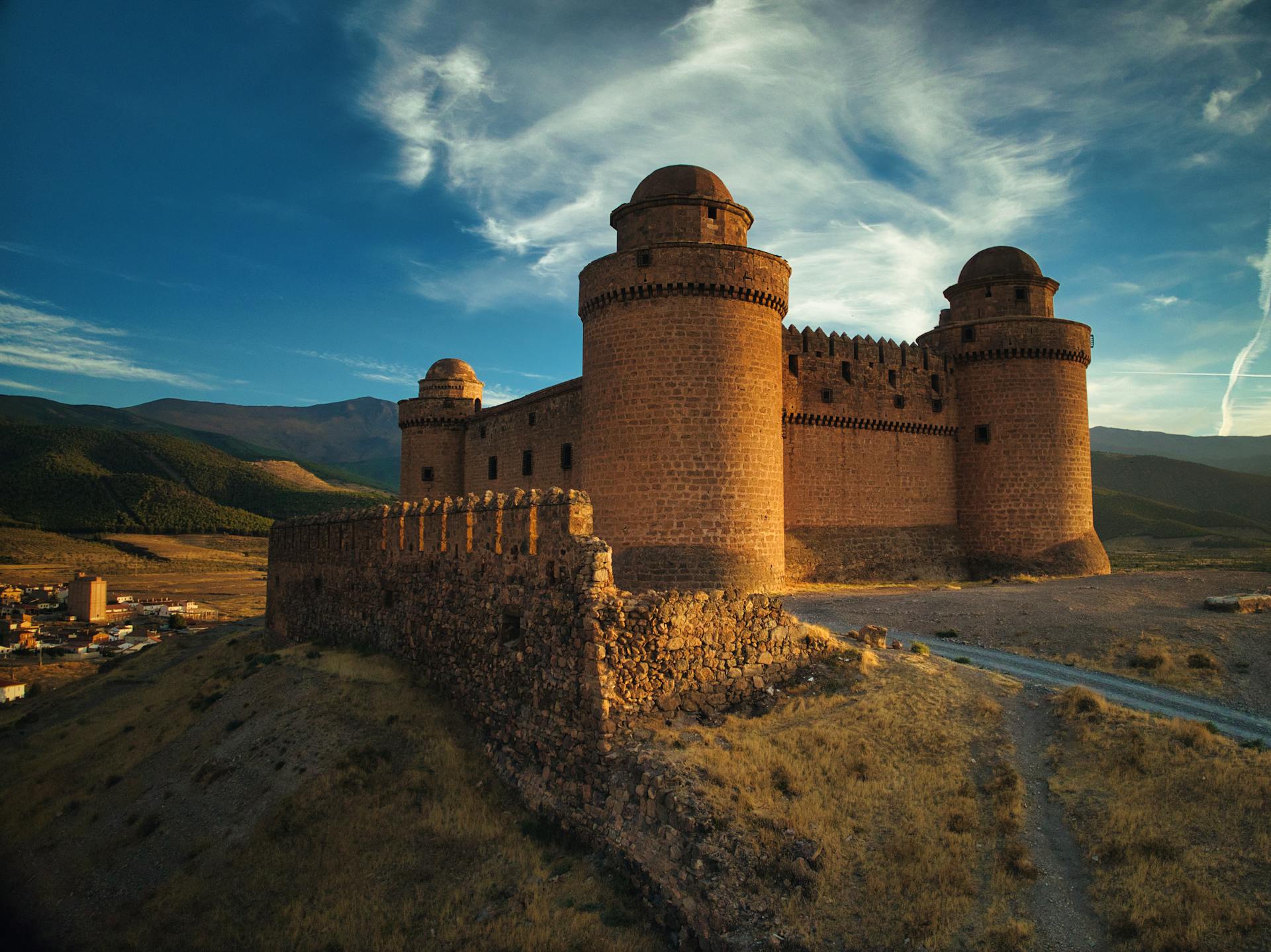
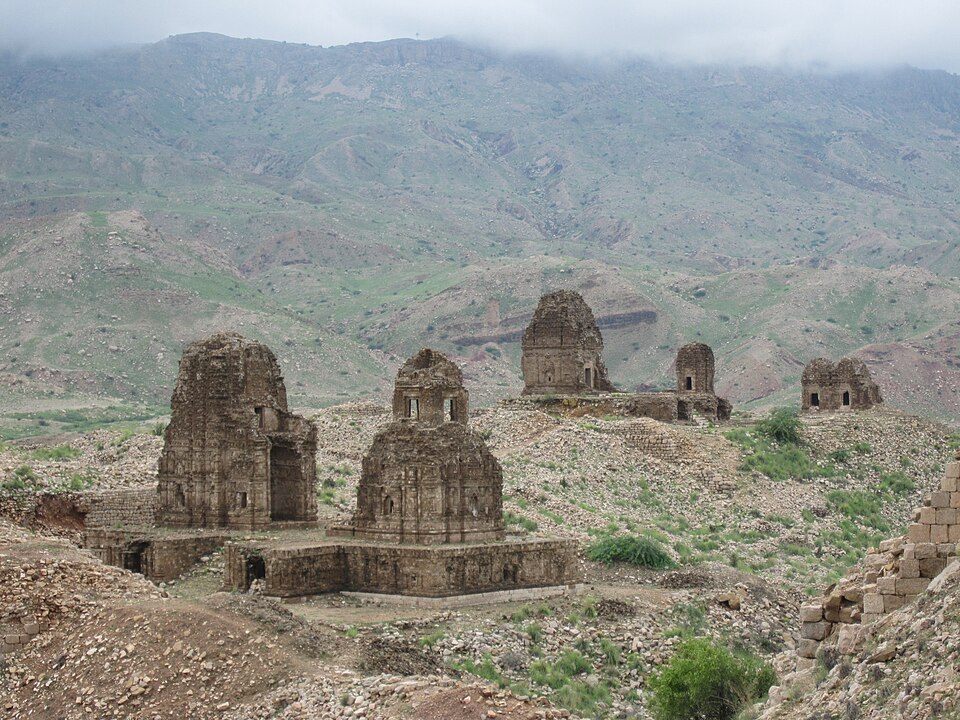
.jpg "Parameswara Tiru Located in the historic Pallava capital city of Kanchipuram in the modern-day Indian state of Tamil Nadu, Vinnagaram, also called the Vaikunta Perumal Temple, is a Hindu temple devoted to the god Vishnu. Originally called Paramechuravinnagaram in Tamil and Vishnugriha in Sanskrit, w")