 Heritage Places, Castles & Architecture






.jpg "Parameswara Tiru Located in the historic Pallava capital city of Kanchipuram in the modern-day Indian state of Tamil Nadu, Vinnagaram, also called the Vaikunta Perumal Temple, is a Hindu temple devoted to the god Vishnu. Originally called Paramechuravinnagaram in Tamil and Vishnugriha in Sanskrit, w")
Click on Images for Information


@Heritage Places, Castles & Architecture
13-Mar-2026 12 am
13-Mar-2026 12 am
This article uses text information from the Wikipedia article – Konark_Sun_Temple – [Wikipedia-Article-Link: https://en.wikipedia.org/wiki/Konark_Sun_Temple ] which is released under the -- Creative Commons Attribution-ShareAlike 4.0 License – [License-Link: https://creativecommons.org/licenses/by-sa/4.0/deed.en ( https://en.wikipedia.org/wiki/Wikipedia:Text_of_the_Creative_Commons_Attribution-ShareAlike_4.0_International_License )] [List of Principal Authors (5 or less) of the Wikipedia-Article on the date of this Article being Created in this Website: - Ms Sarah Welch, Billjones94, Kenfyre, Soumendradhanee, Corinne] [Use the following Authorship tool to find out the author contributions:- https://xtools.wmcloud.org/authorship ] [The Current Article on this Website has been paraphrased from the above linked corresponding Wikipedia-Article and You may redistribute this, verbatim or modified, provided that you comply with the terms of the Creative Commons Attribution-ShareAlike 4.0 License] [License-Link: https://creativecommons.org/licenses/by-sa/4.0/deed.en ( https://en.wikipedia.org/wiki/Wikipedia:Text_of_the_Creative_Commons_Attribution-ShareAlike_4.0_International_License )]
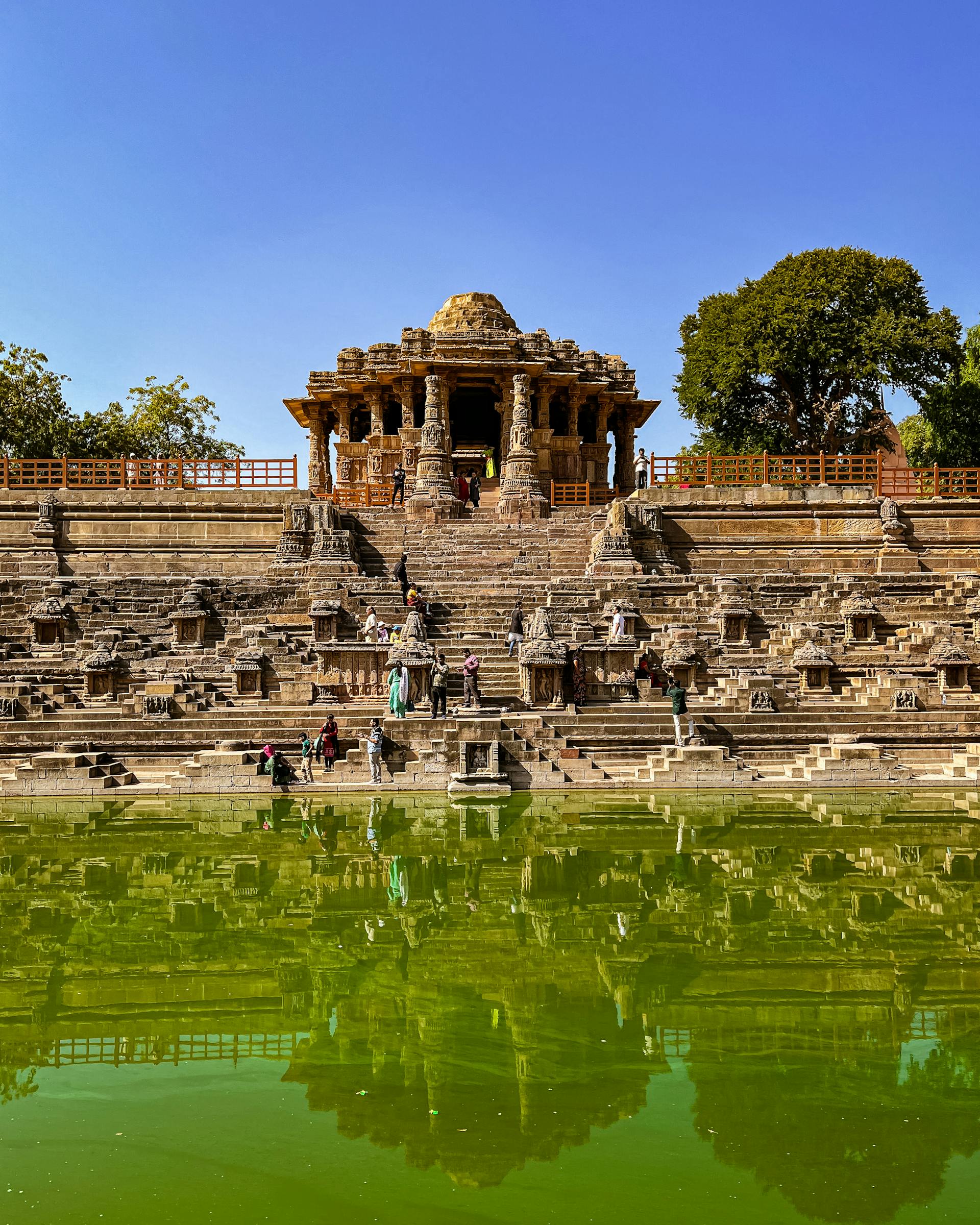
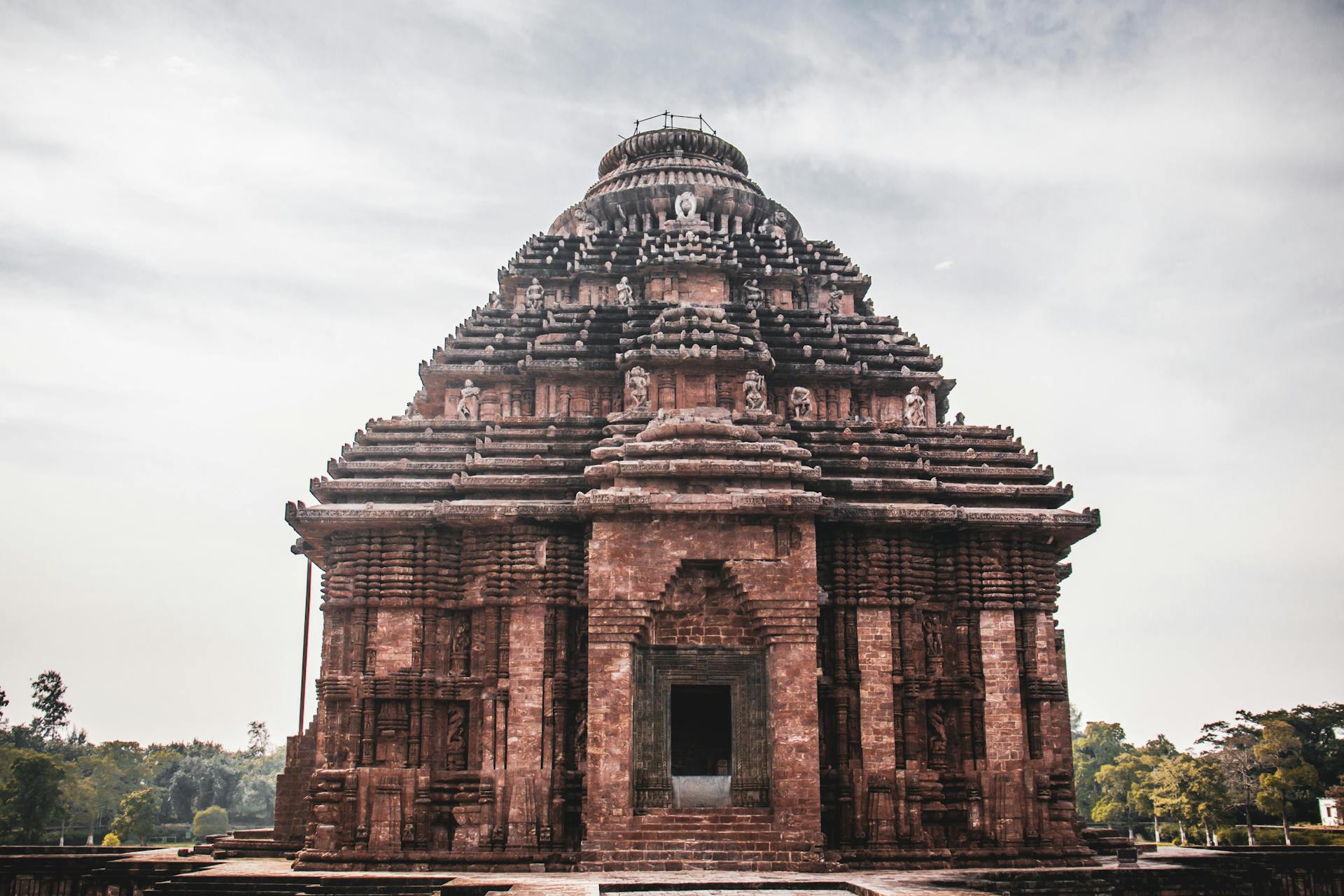
[Image: Facade of ancient Hindu temple with ornamental decor; Image-Author: Rahul Pandit] [Image-Source-Link: https://www.pexels.com/photo/facade-of-ancient-hindu-temple-with-ornamental-decor-6040175/ ] [License-Link: https://www.pexels.com/license/ ] [Please Also Relate to Original Individual Text and Image URLs for More Usage Property and Sharing, Remixing or Attributing the Contents] [Contents on Wikipedia is covered by – Disclaimer – [Wikipedia-Disclaimer-Link : https://en.wikipedia.org/wiki/Wikipedia:General_disclaimer ] [Contents in this Website is also covered by Disclaimer linked at the bottom of the Page] [This website article means no intellectual appropriation by any way and only wishes to contribute in sharing of knowledge]
 Heritage Places, Castles & Architecture





.jpg "The Athenians built the Athenian Treasury at Delphi to store votive offerings and dedications offered to the shrine of Apollo by their city and its residents. Parian marble is used throughout the entire treasury, including the sculptures that adorn it. Scholarly opinions on the building date vary fr")

_and_the_Temple_of_Venus_Genetrix,_Imperial_Forums,_Rome_(21101482544).jpg "The Roman goddess Venus Genetrix, the founding goddess of the Julian gens, is honored in the now ruined Temple of Venus Genetrix in Forum of Caesar of Rome. On September 26, 46 BCE, Julius Caesar dedicated it to the goddess. Construction on the forum and temple may have started as early as 54 BCE.")

Click on Images for Information