Heritage Places, Castles & Architecture  


Click on Images for Information


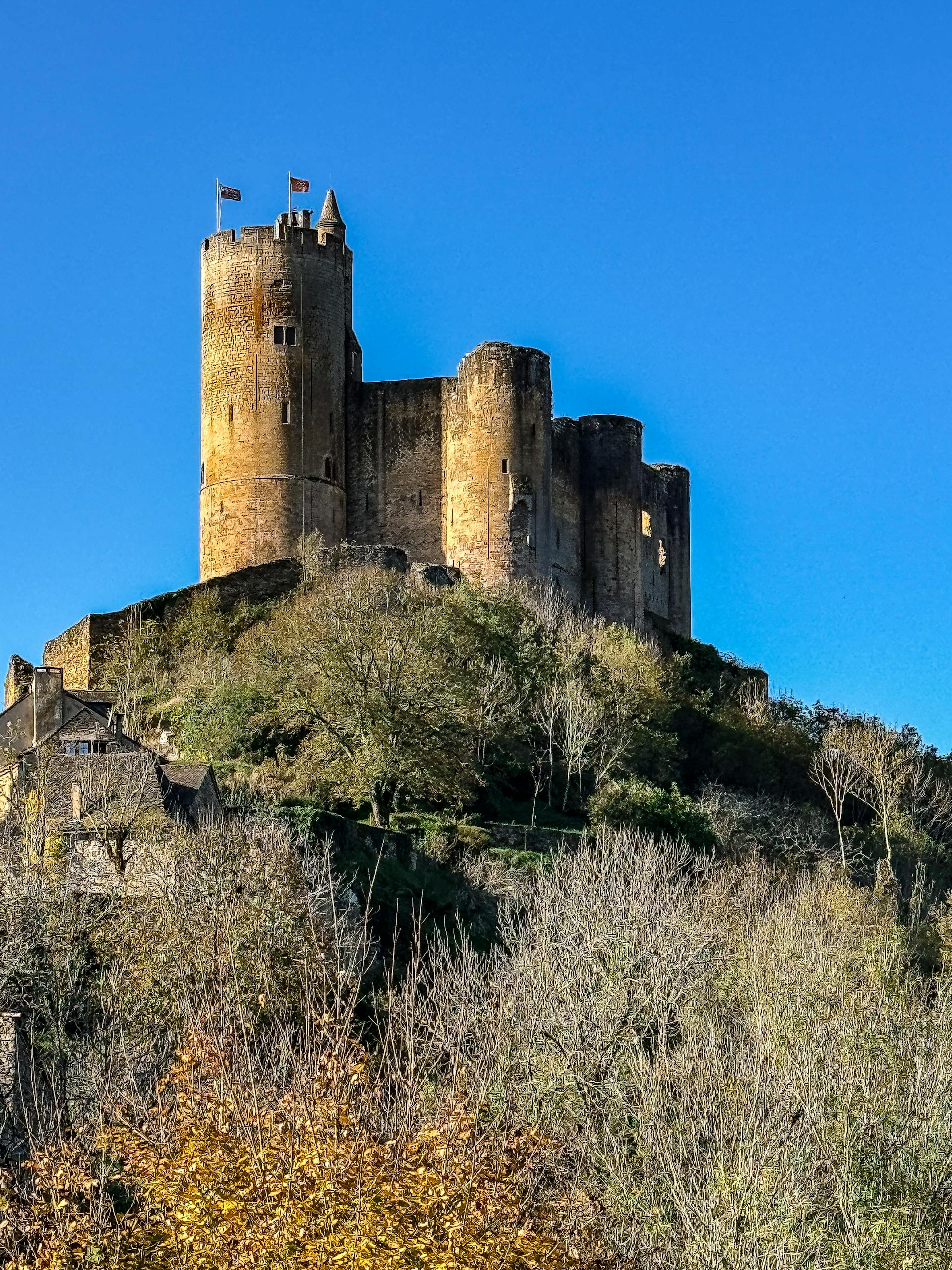
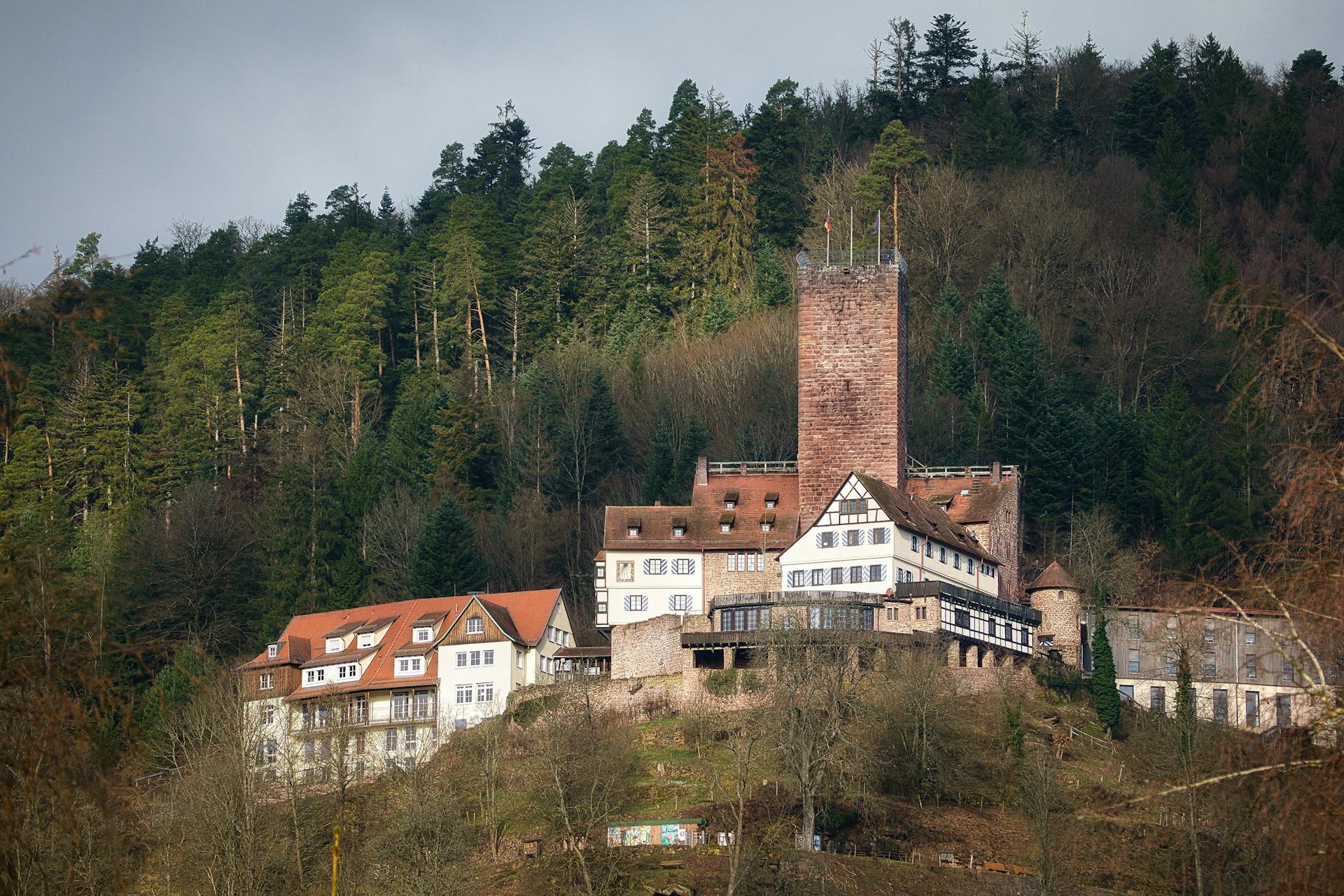
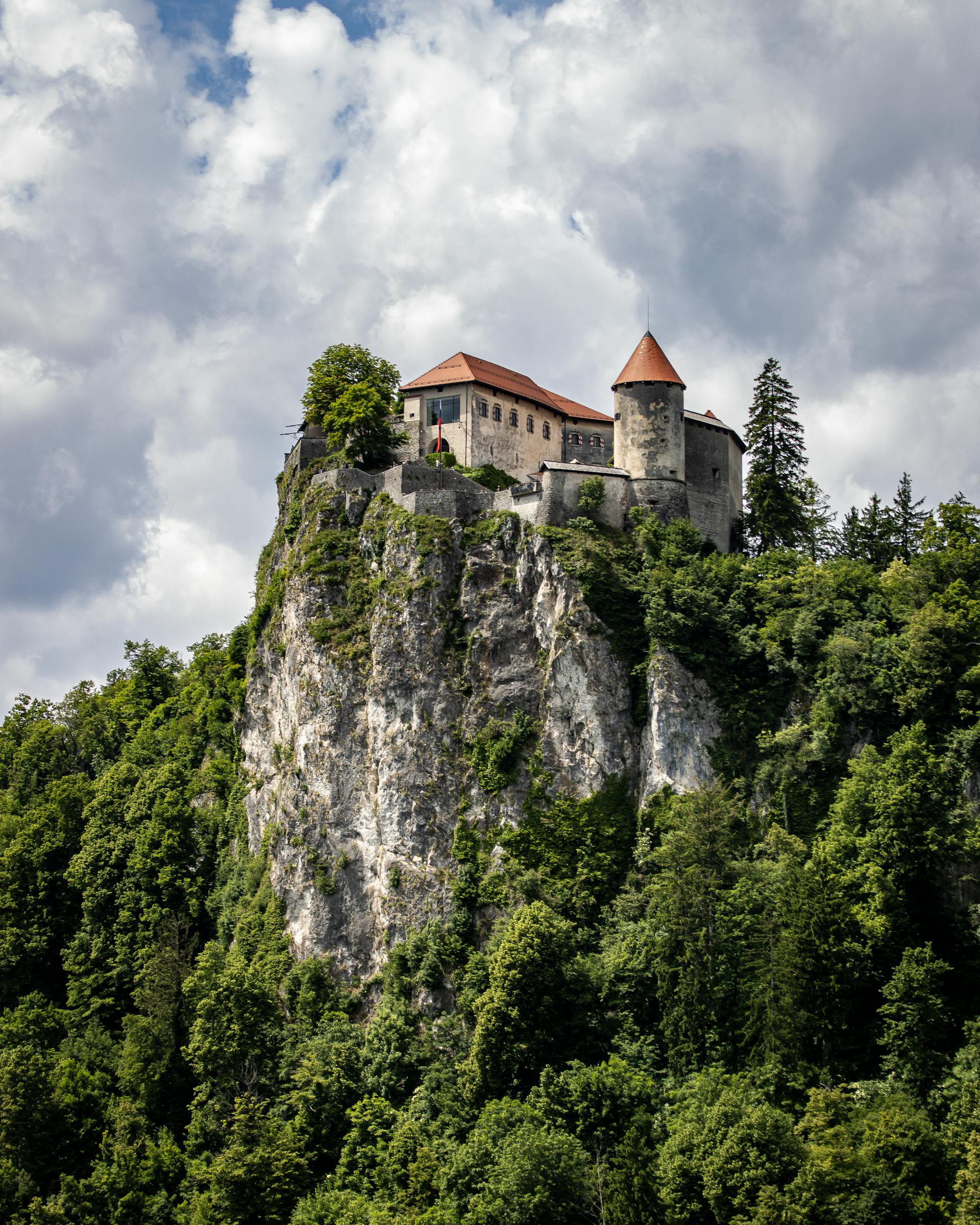
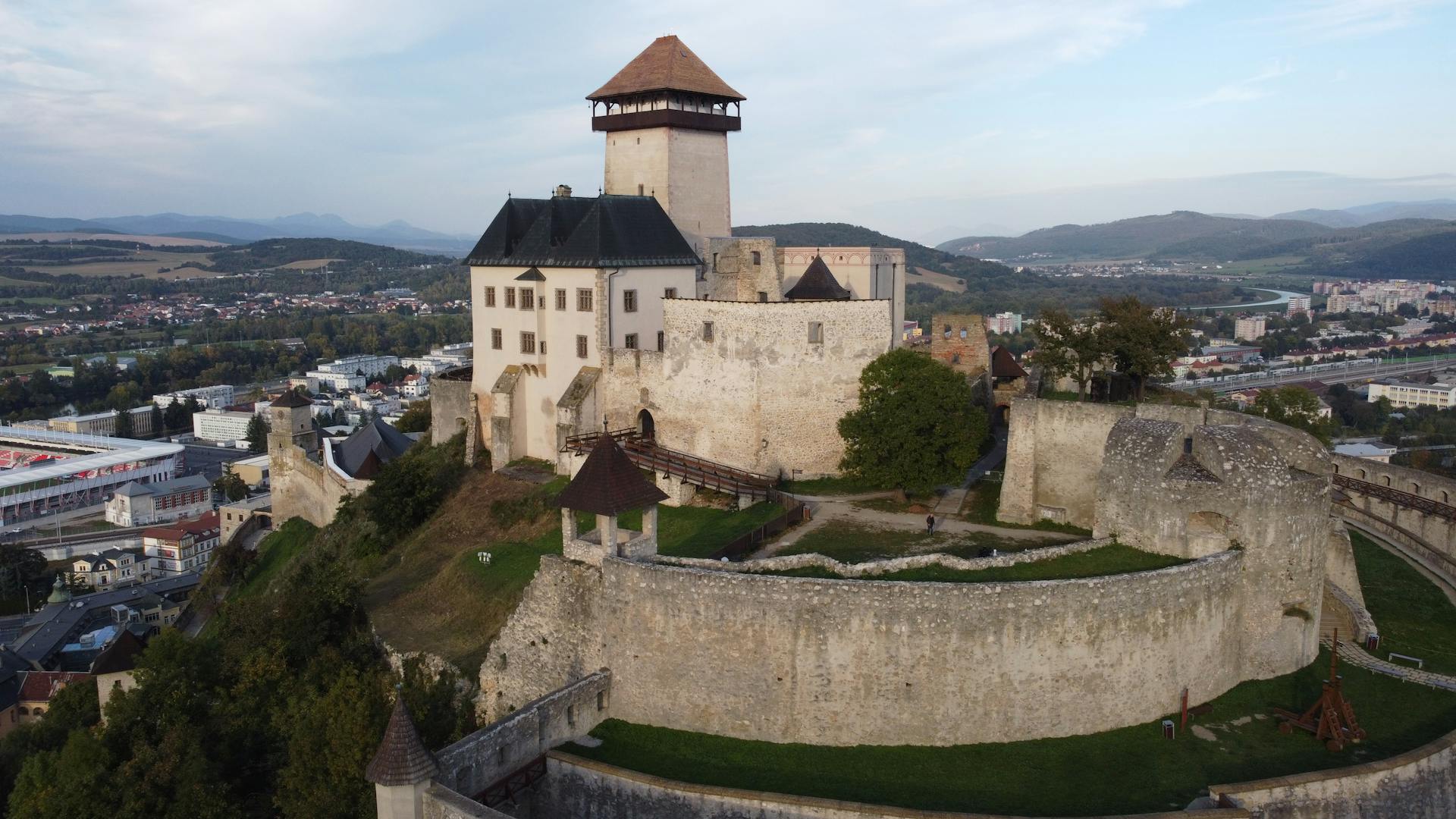
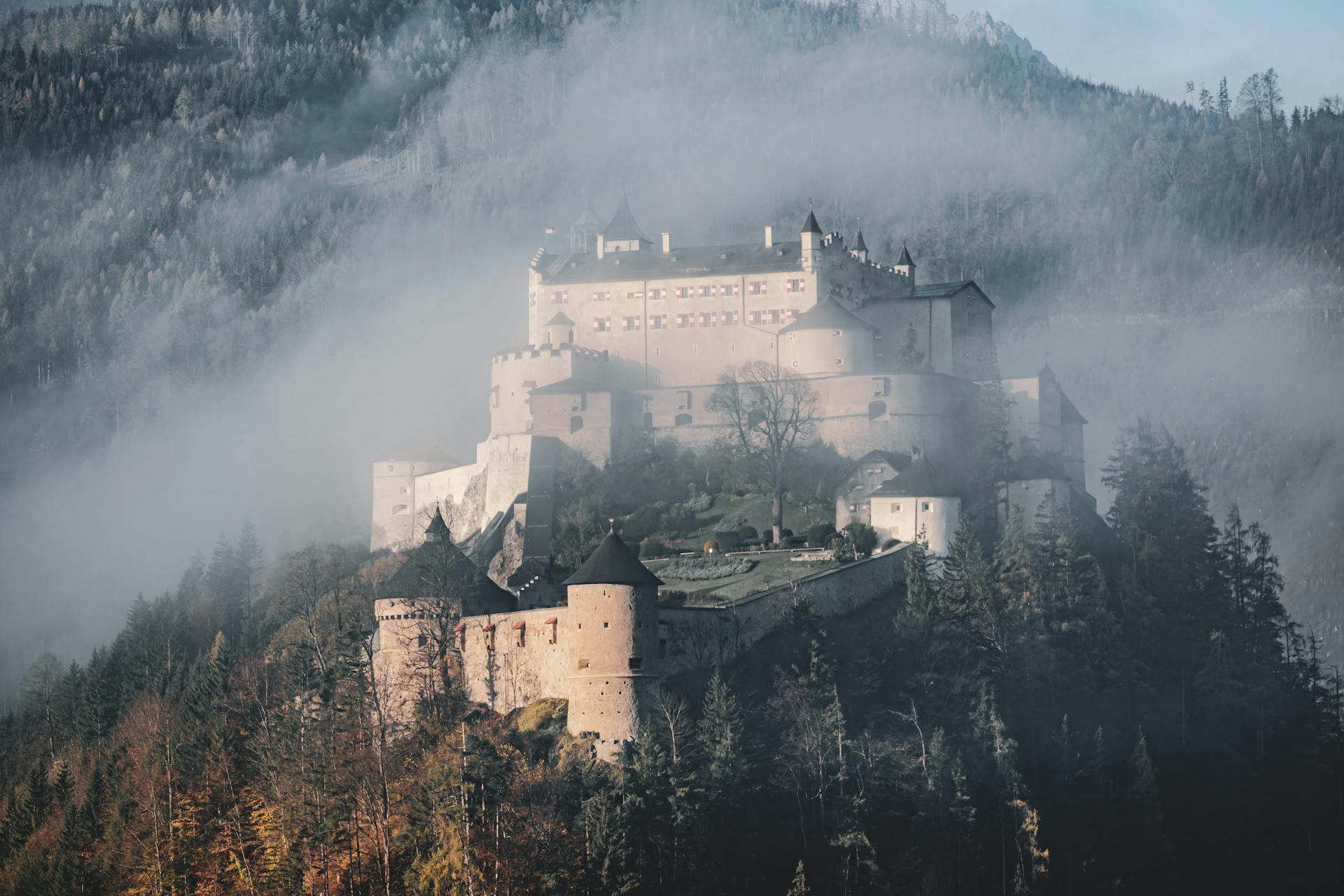
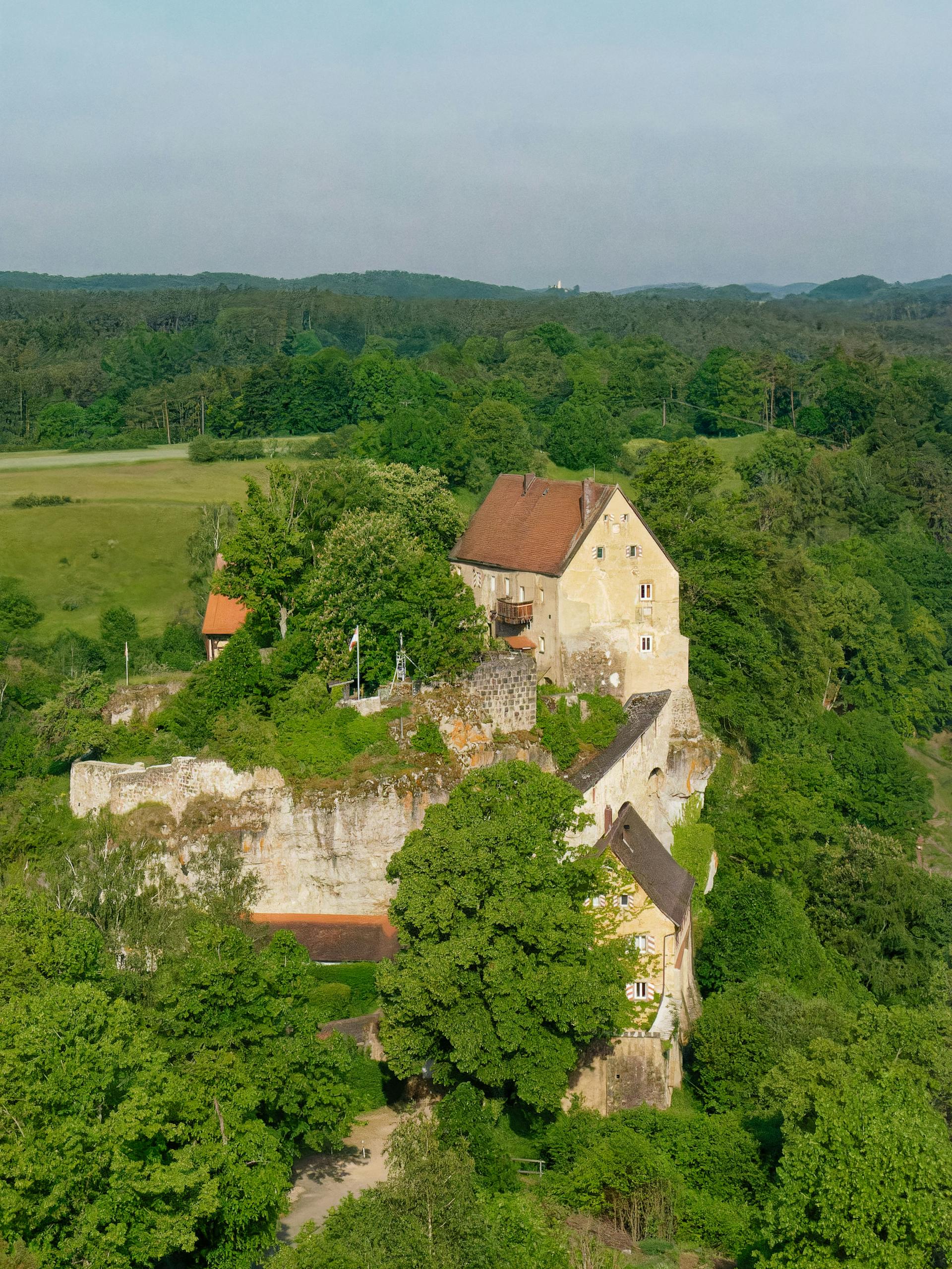
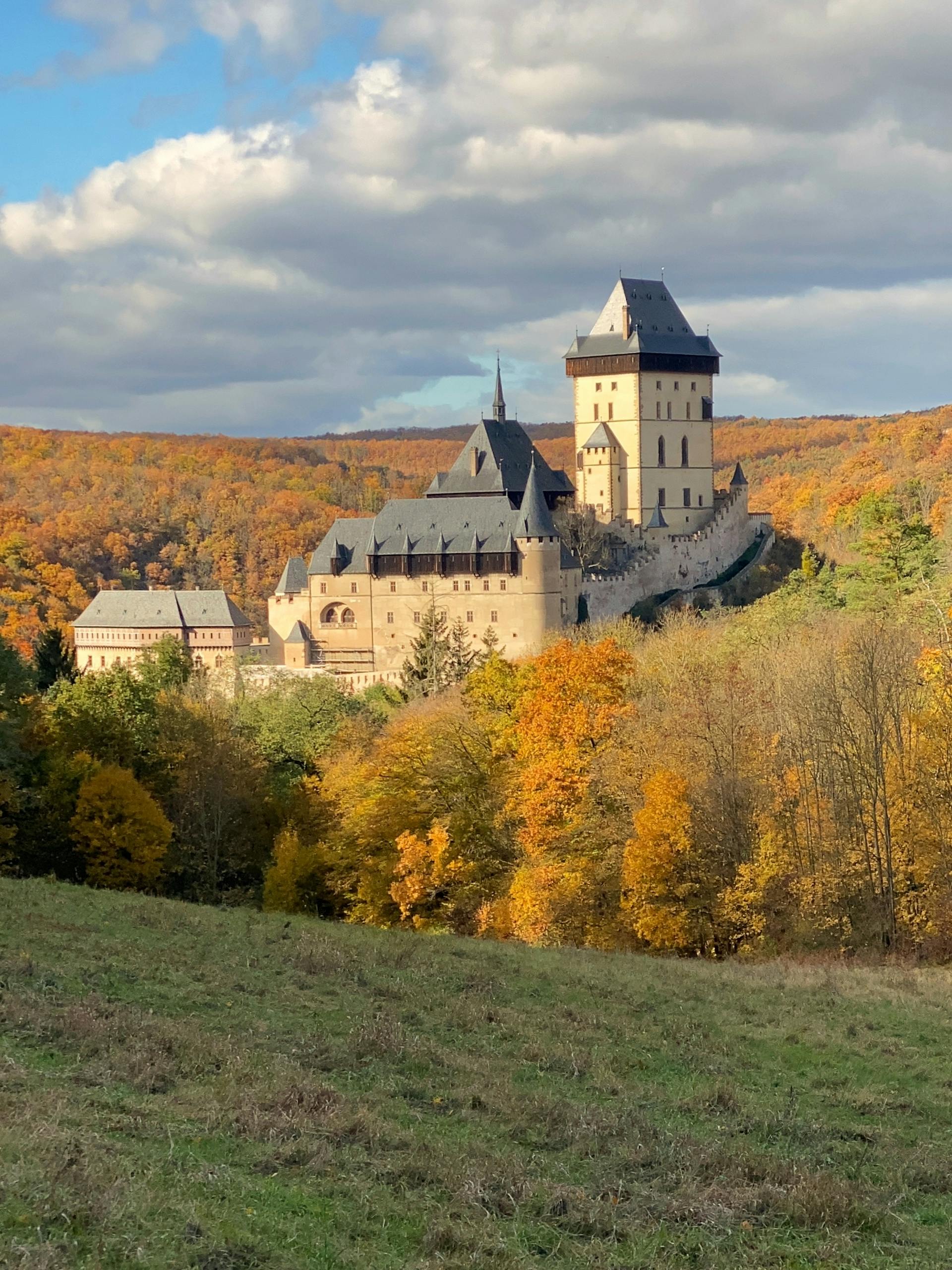
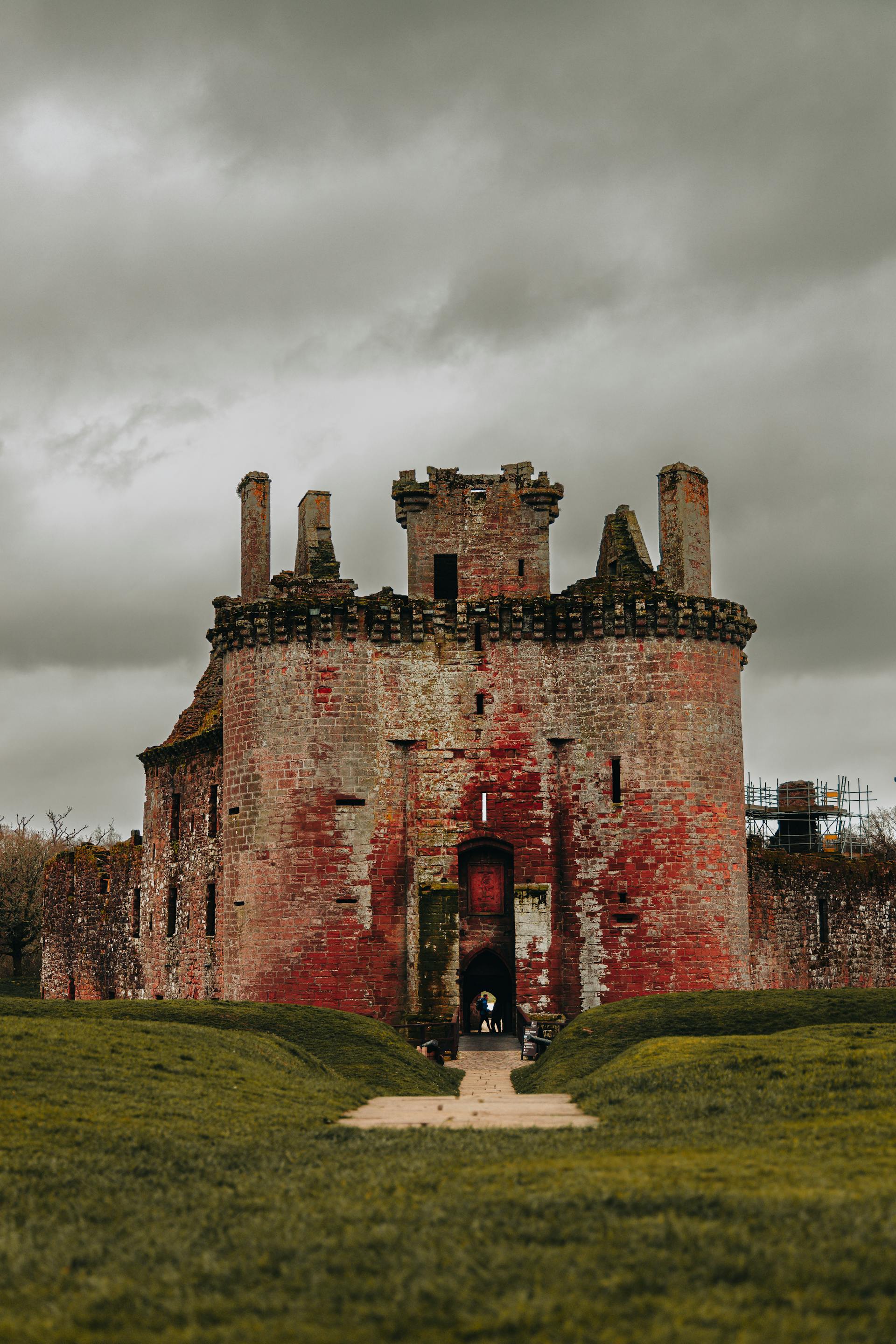
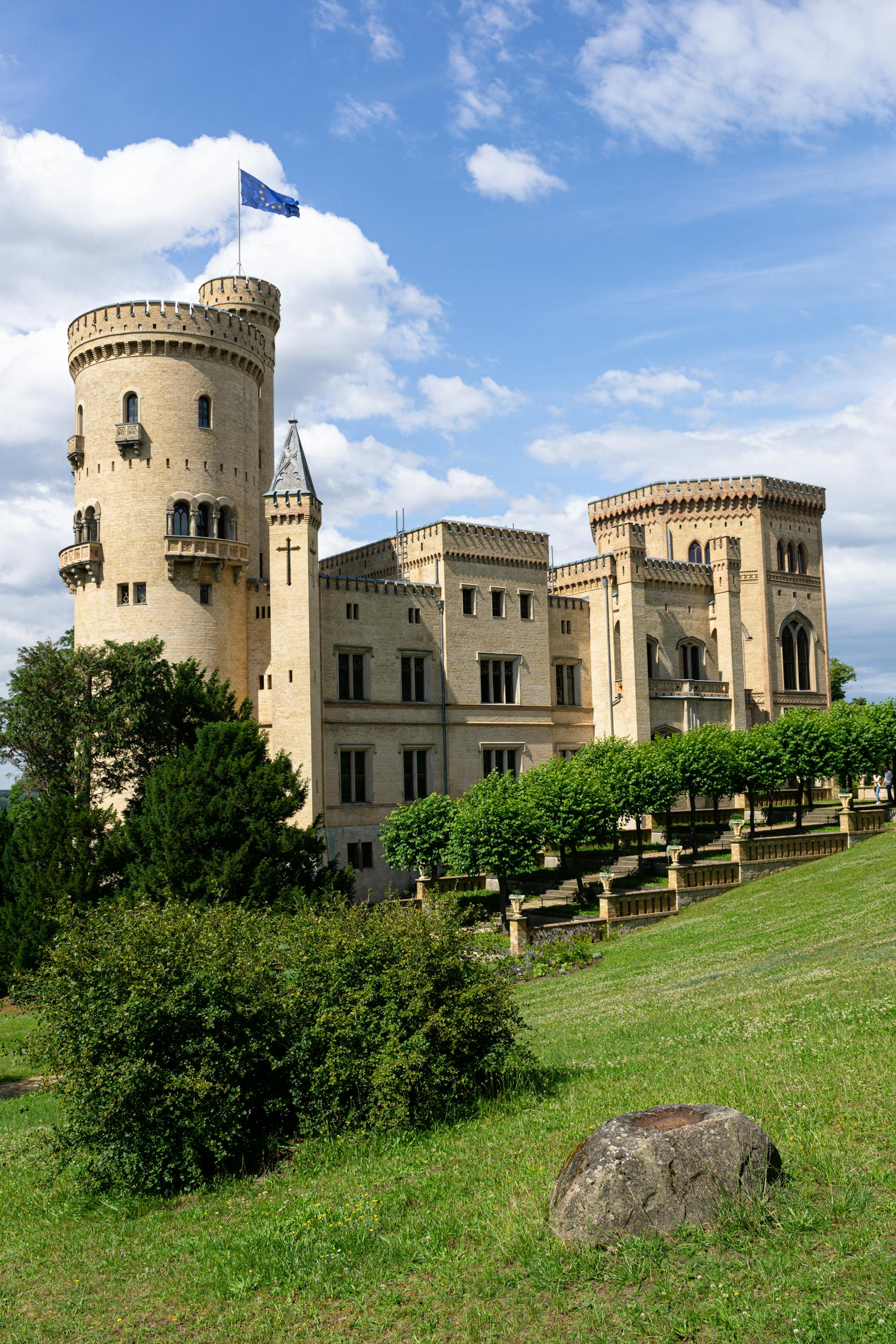
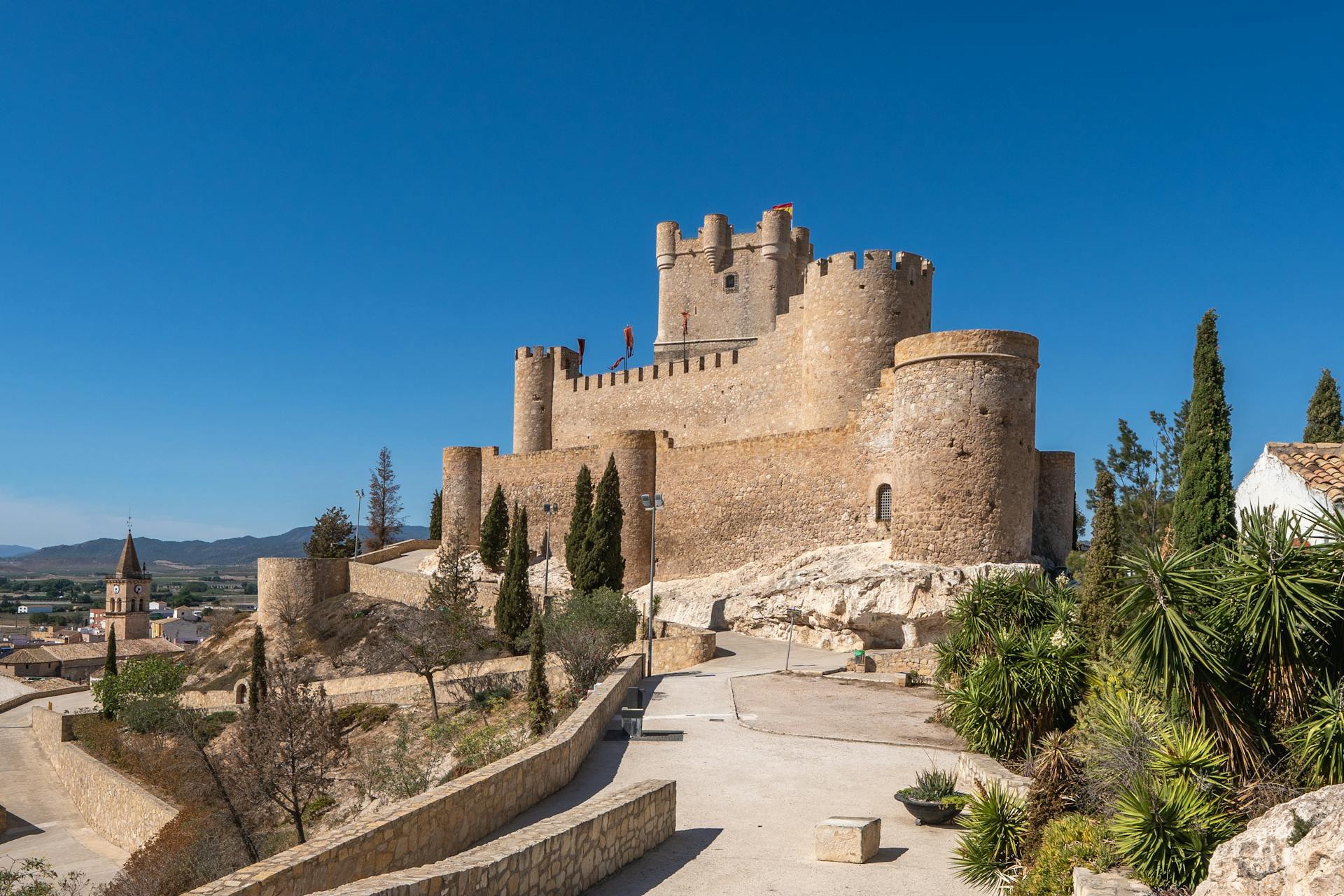
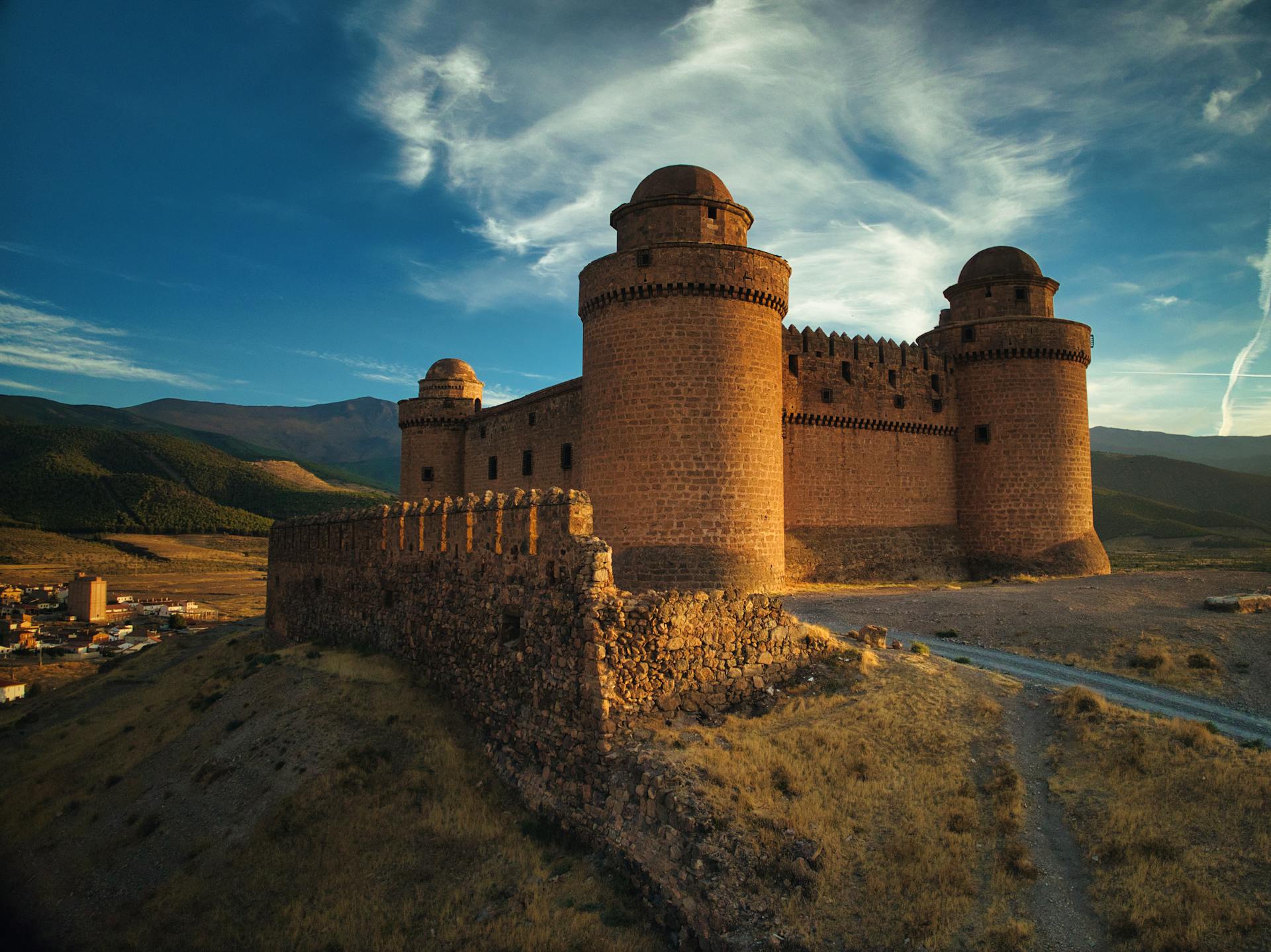
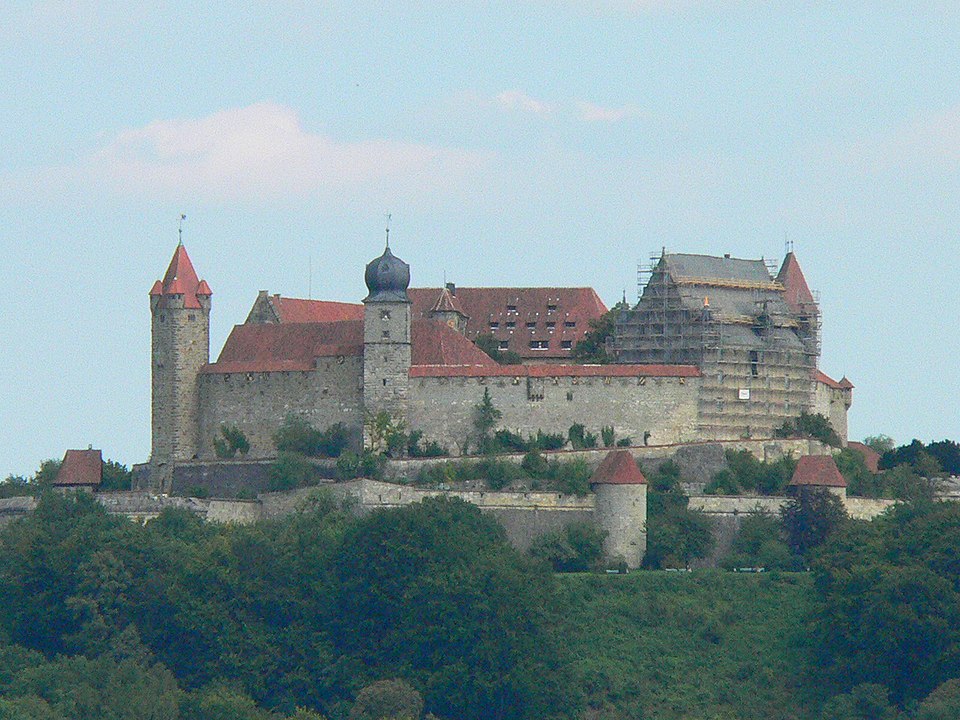
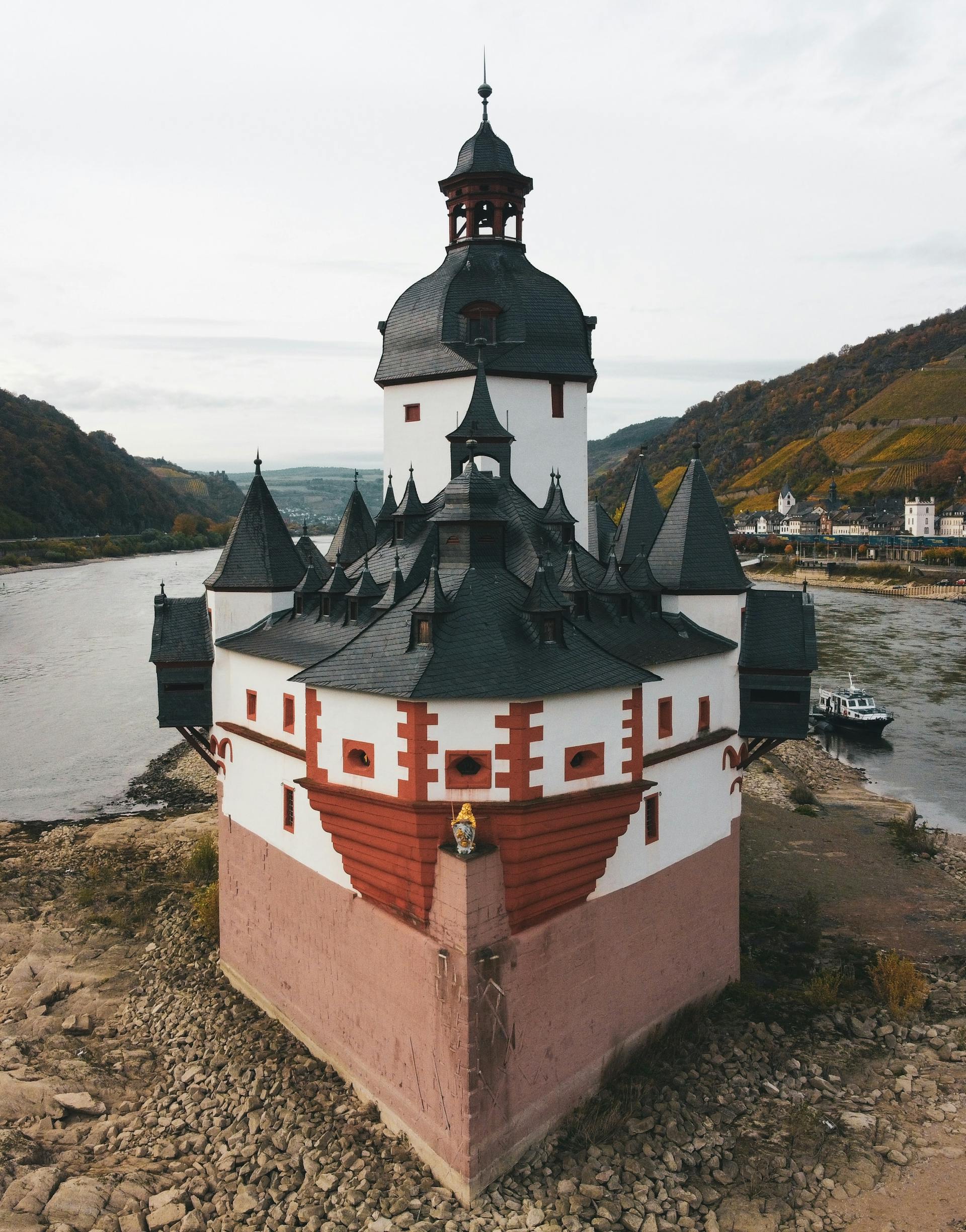
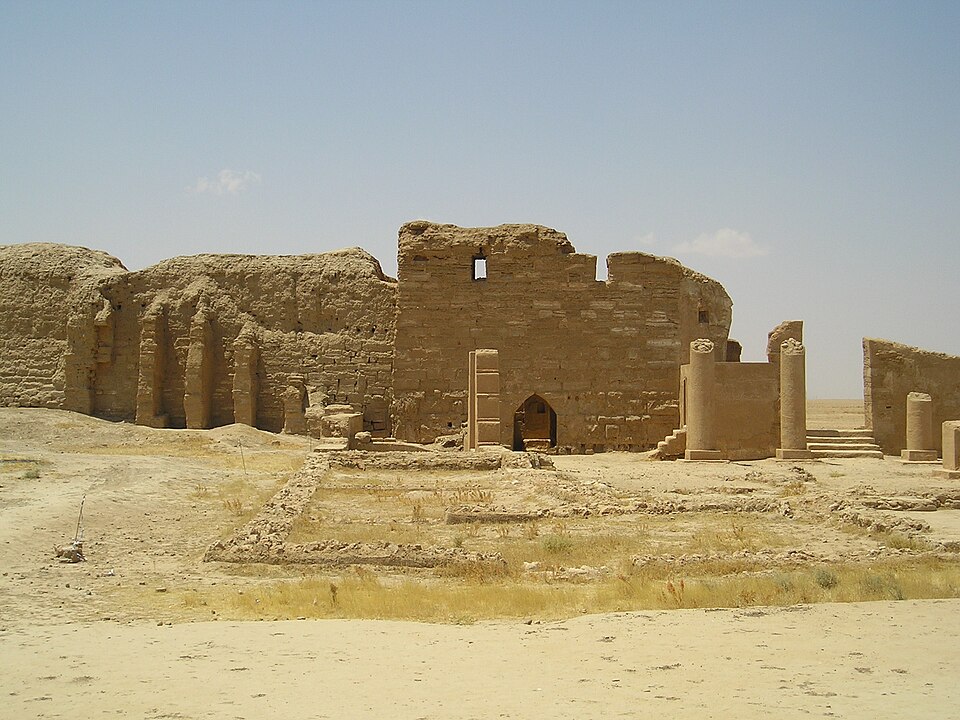
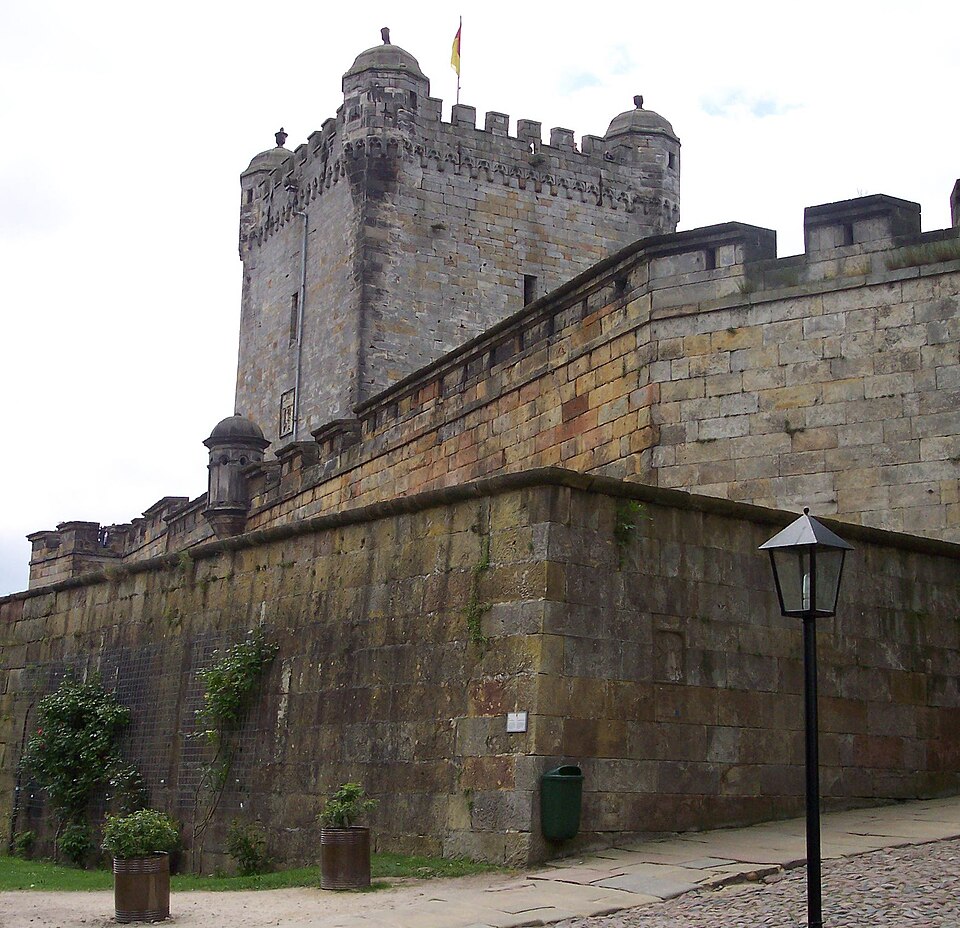
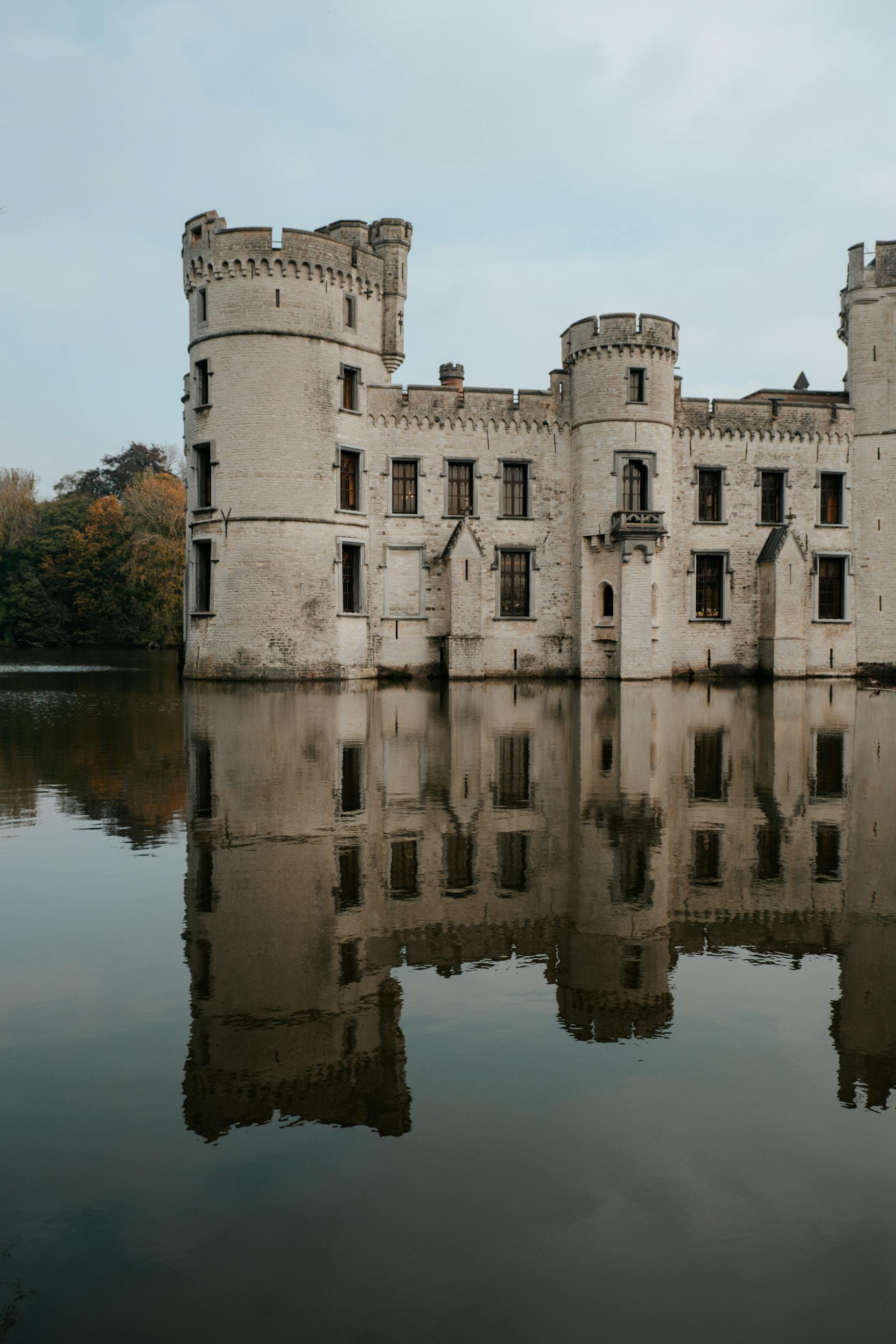
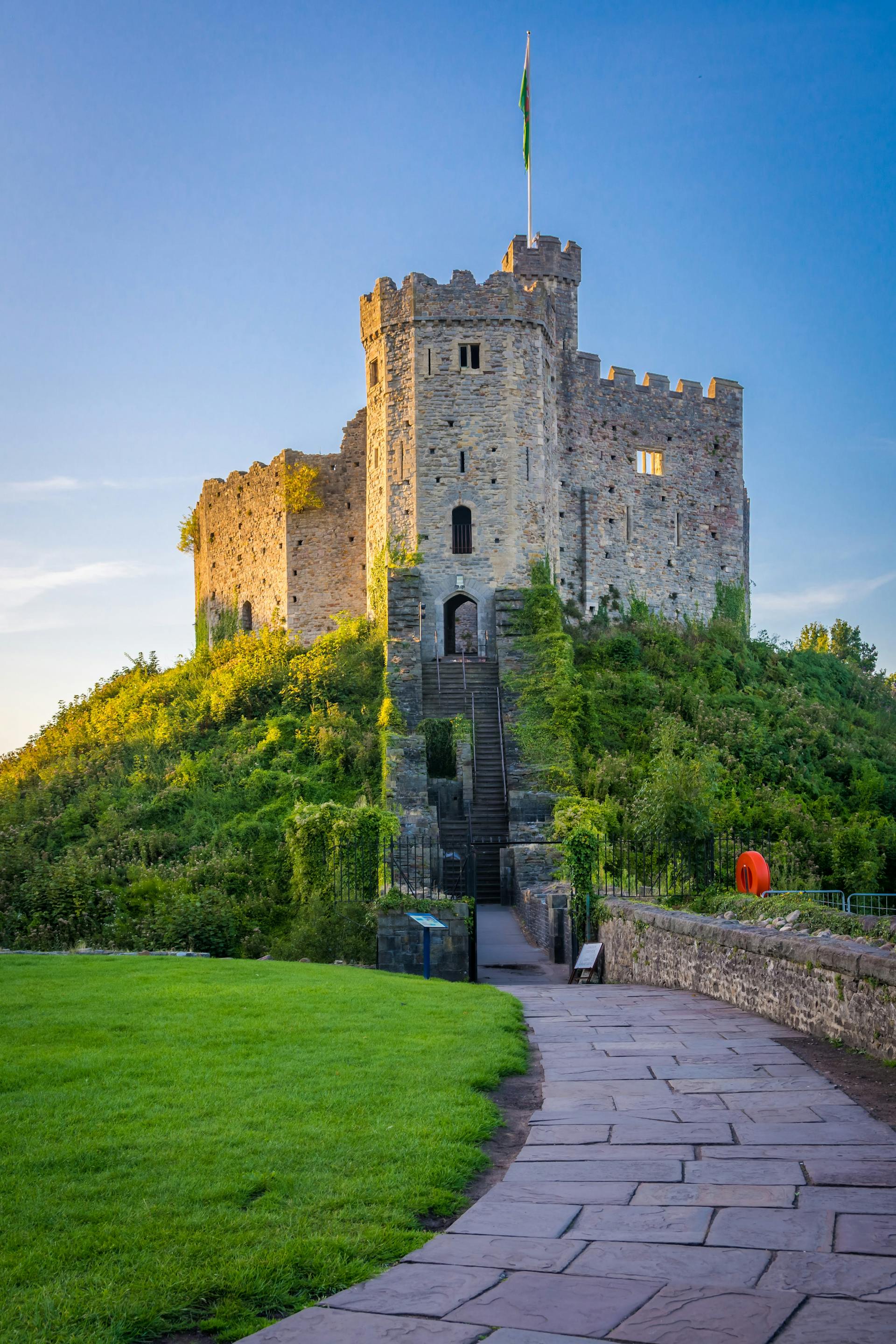
The Shell Keep represented a logical progression in the evolution of castles, which were initially constructed following the Motte and Bailey design. This raises the question regarding the characteristics of the castles that the Normans erected in the twelfth century on sites that had not been previously occupied. These structures were known as Rectangular Keeps, featuring fortified enclosures that corresponded closely to the Shell Keep and the bailey. Rectangular Keeps had been a significant aspect of French fortifications for at least thirty years prior to the Norman Conquest; however, the adoption of this defensive style in England was gradual and extended over time. Only two examples exist that predate the death of William I :- the White Tower in London and the Keep at Colchester. This type of castle has become closely associated with the Normans, often overshadowing the far greater number of Motte and Bailey and Shell Keep fortifications that are equally linked to their presence. This association likely stems from the dignified appearance of the substantial Keep, along with its impressive features and surroundings, which contribute to the widespread belief in its significance. The Keep itself introduced a novel element to the art of fortification, serving as a medieval strategy to withstand the specific types of attacks prevalent during that era. The enclosure was directly influenced by the rectangular castra of Roman heritage, evolving through the Anglo-Saxon burh and the Norman bailey. Among all military constructions throughout history, the Rectangular Keep stands out as the most magnificent in terms of visual impact and scale, characterized by its simplicity of design. Furthermore, it is renowned for its durability, attributed to its robust craftsmanship and structural integrity. The walls typically measure between eight to fourteen feet in thickness, and at the base, they can reach up to twenty feet, with some remaining examples believed to have solid ground floors. The substantial thickness of walls in medieval structures should not always be interpreted as a sign of strength; in many instances, they are composed of two walls separated by a gap, which is filled with rubble and a certain quantity of mortar, typically of lower quality. Consequently, when the outer layer is breached, the inner core can spill out through the opening akin to grain spilling from a sack. Nevertheless, these walls provided opportunities for the creation of passages within the wall itself, as well as for small chambers, while the outer section of the wall was consistently reinforced by flat pilaster buttresses. The entrances to these Keeps were generally located on the first floor, with access obtained via a ladder or wooden gangway, and the doorway was of limited size. A series of narrow vertical slits in the walls, flared into embrasures on the inside, functioned as windows and also as oillets or arbalesteria, facilitating the discharge of arrows and bolts. #History #Architecture #Castles

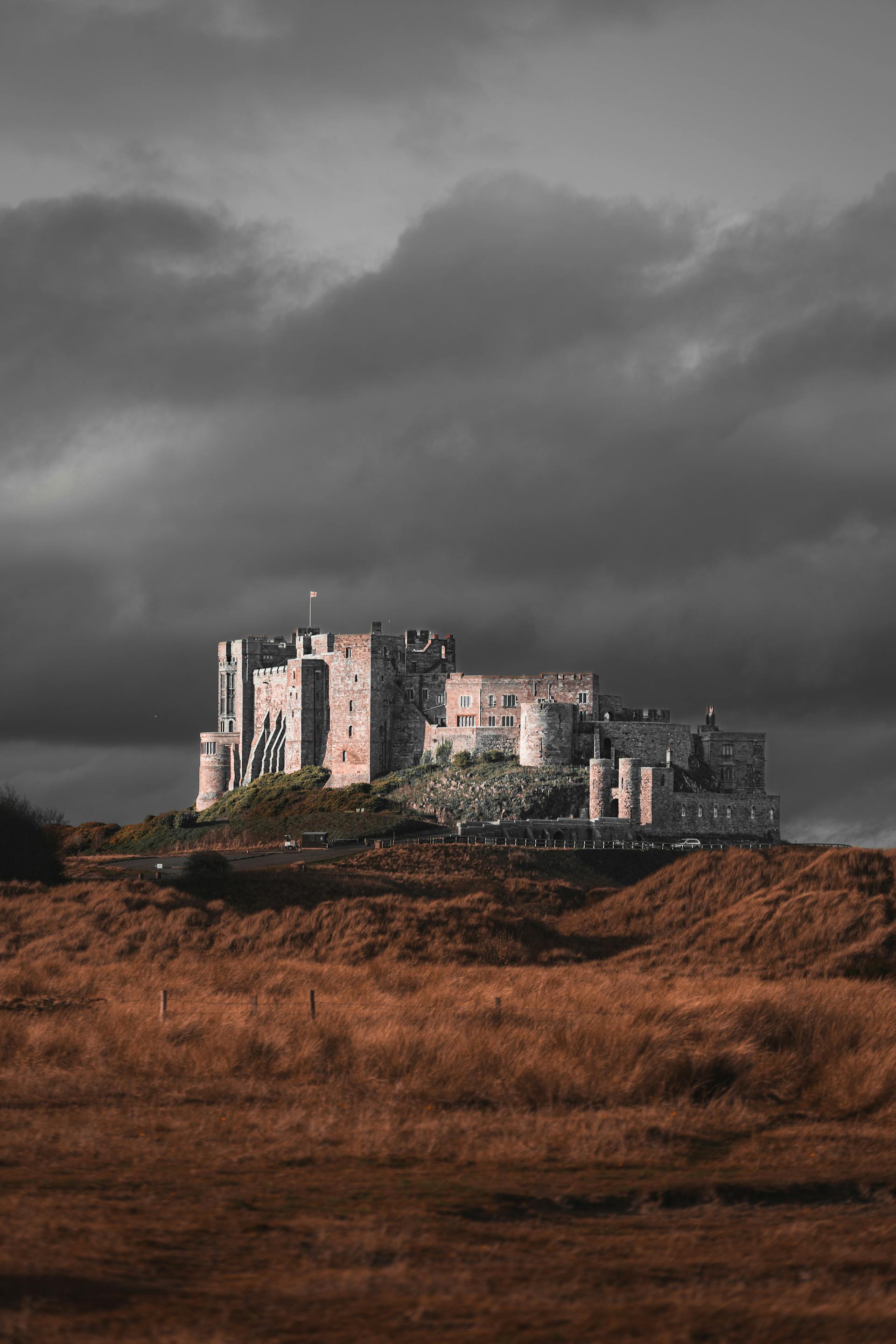
[Text-Information-Source: British Castles by Charles Henry Ashdown (1856-1922)] [The book is in the public domain in the United States of America, and possibly other nations.] [Image: Bamburgh Castle in England; Image-Author: urtimud. 89] [N.B.: Bamburgh Castle is an example of castle with rectangular keep] [Image-Source-Link: https://www.pexels.com/photo/bamburgh-castle-in-england-10200580/ ] [License-Link: https://www.pexels.com/license/ ] [Please Also Relate to Original Image URL for More Usage Property and Sharing, Remixing or Attributing the Contents] [This website article means no intellectual appropriation by any way and only wishes to contribute in sharing of knowledge]


  Heritage Places, Castles & Architecture  


Click on Images for Information



Disclaimer   Privacy Policy   Disclosure   User-Manual   Contact   About Us