Heritage Places, Castles & Architecture  


Click on Images for Information


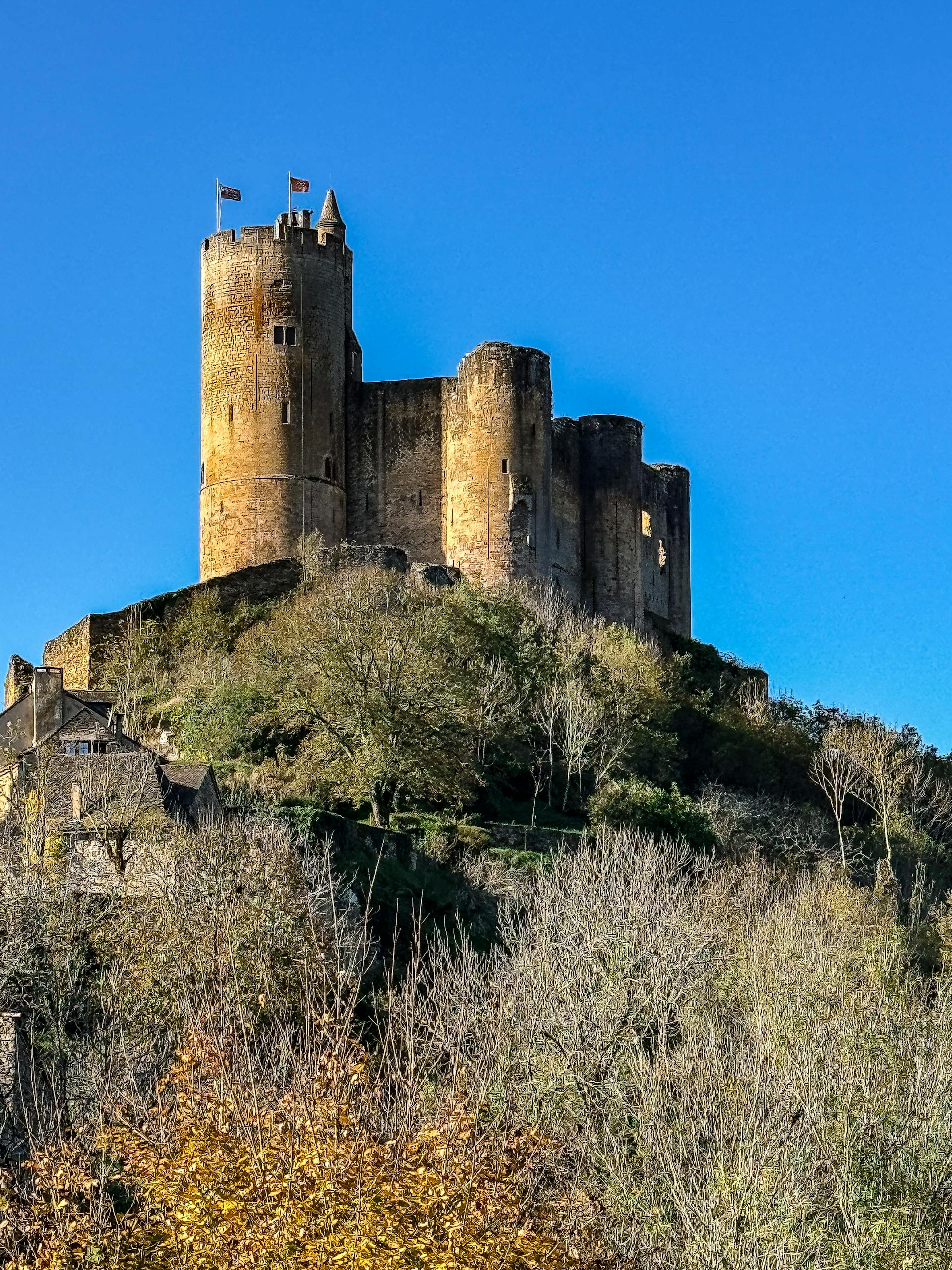
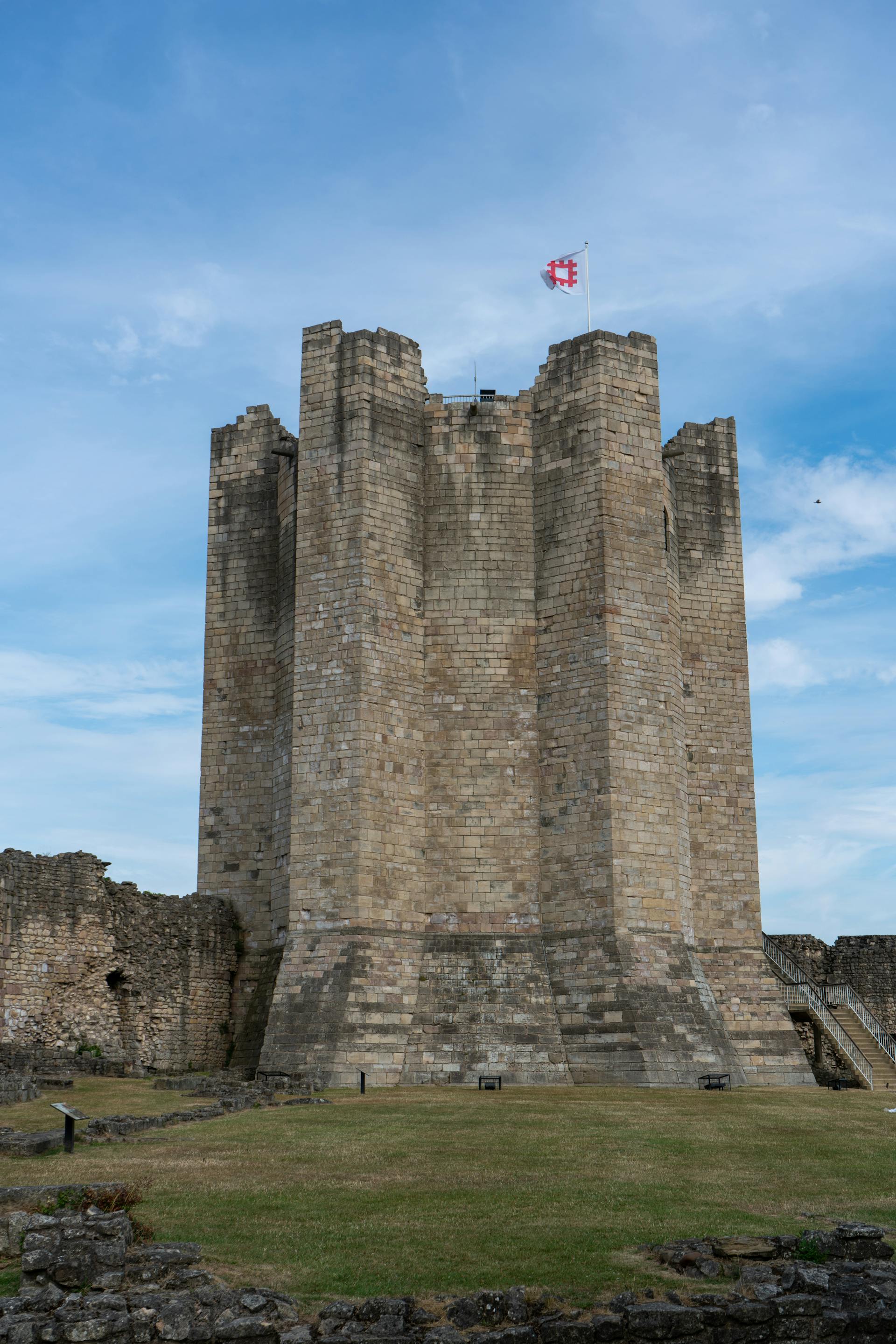
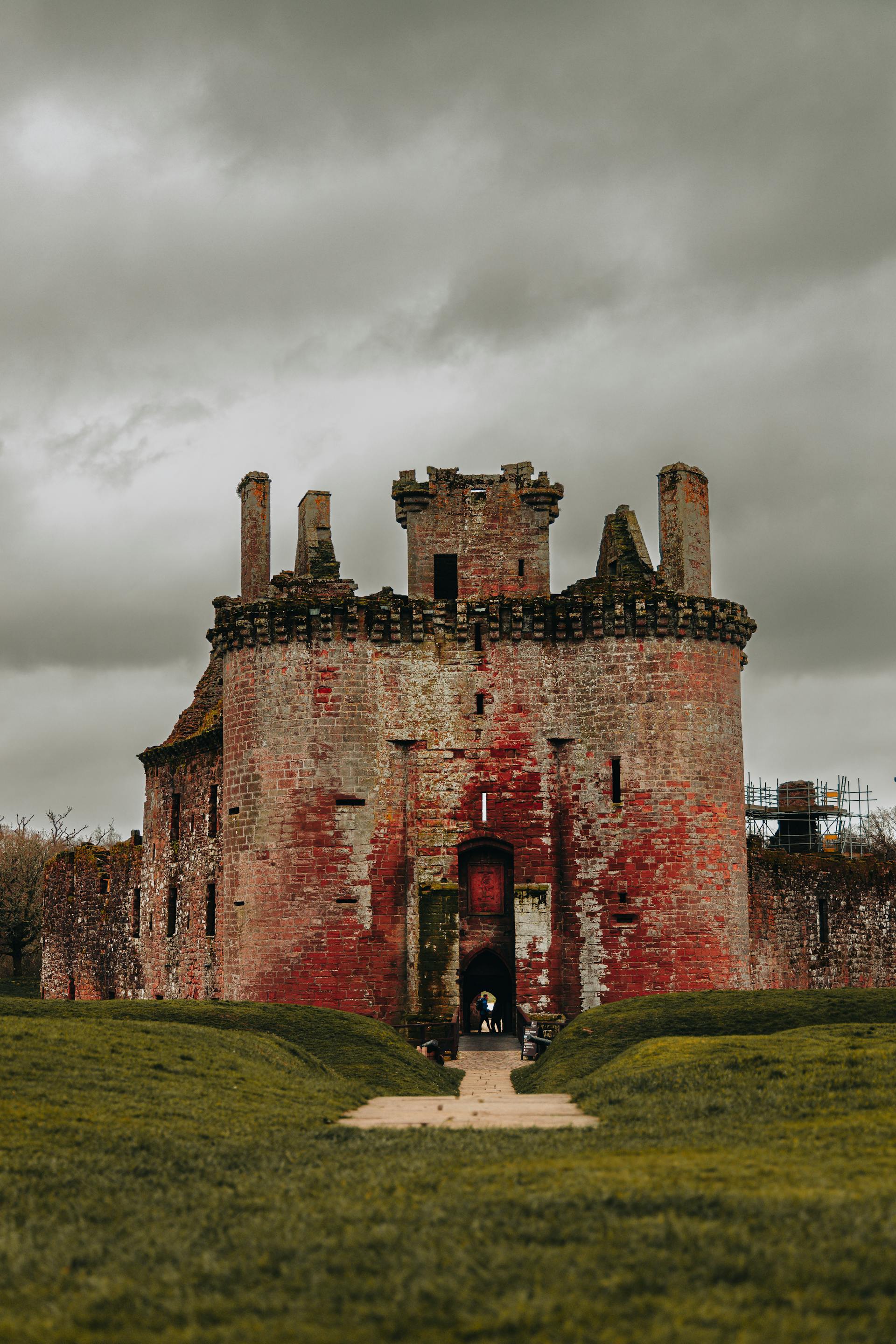
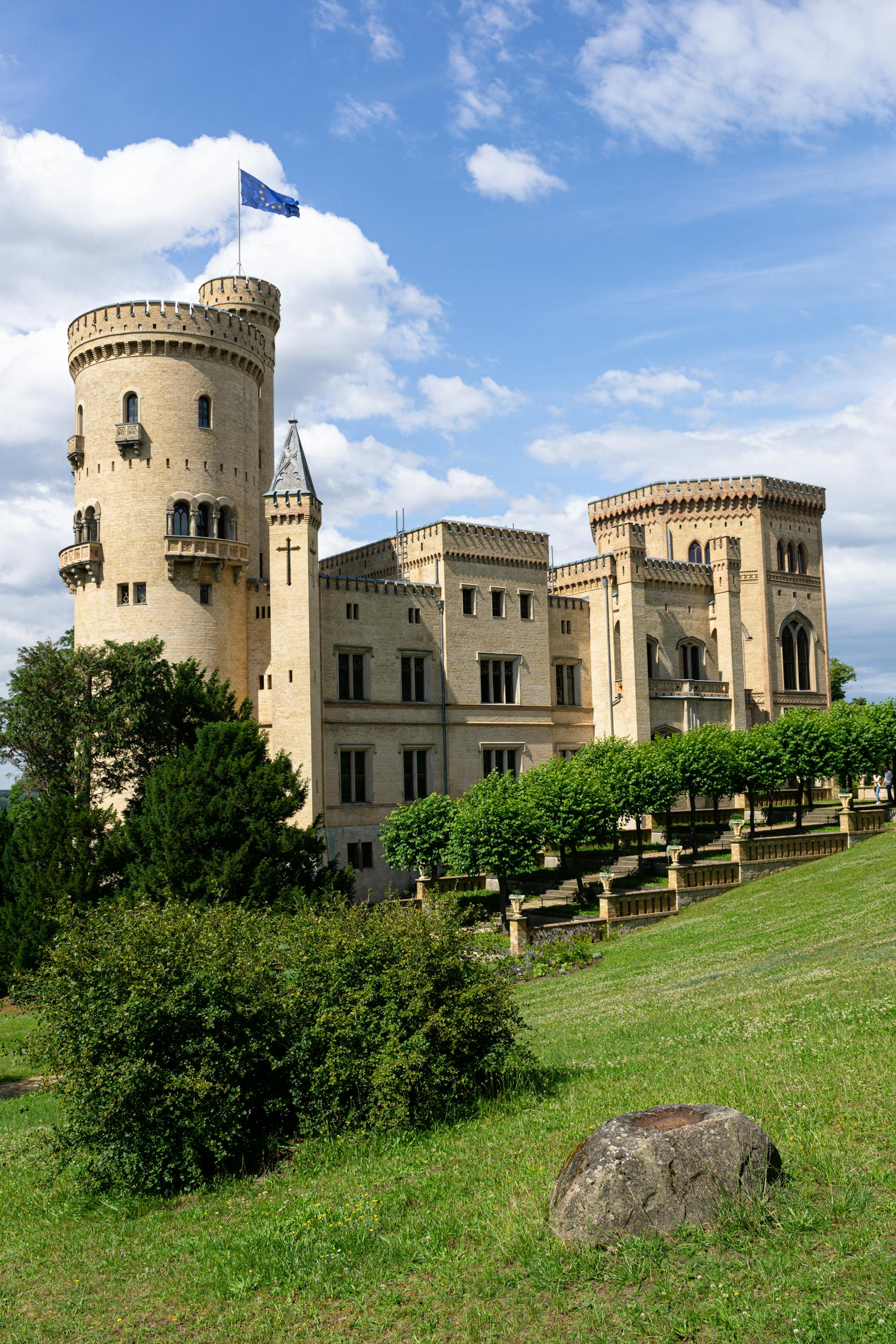
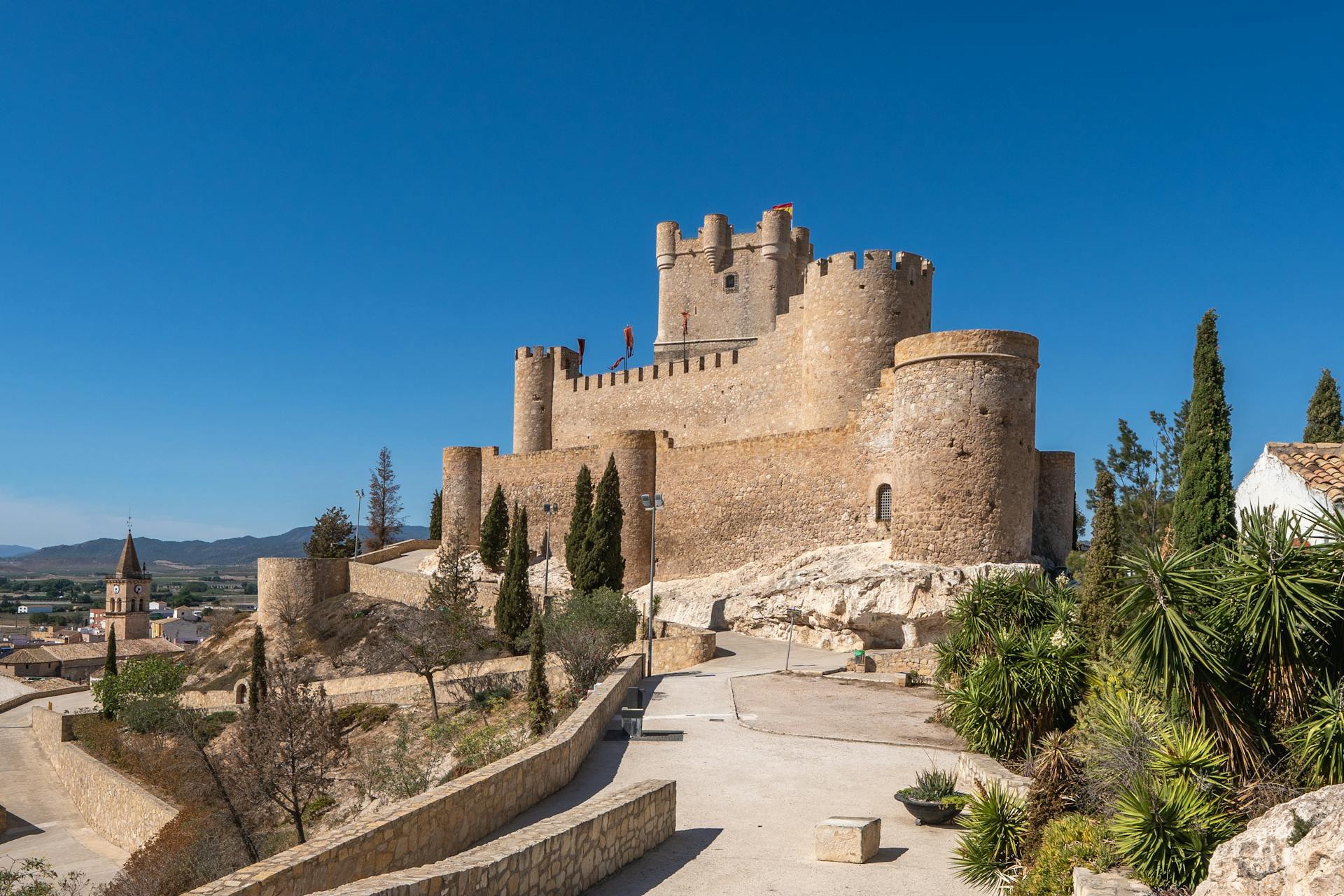
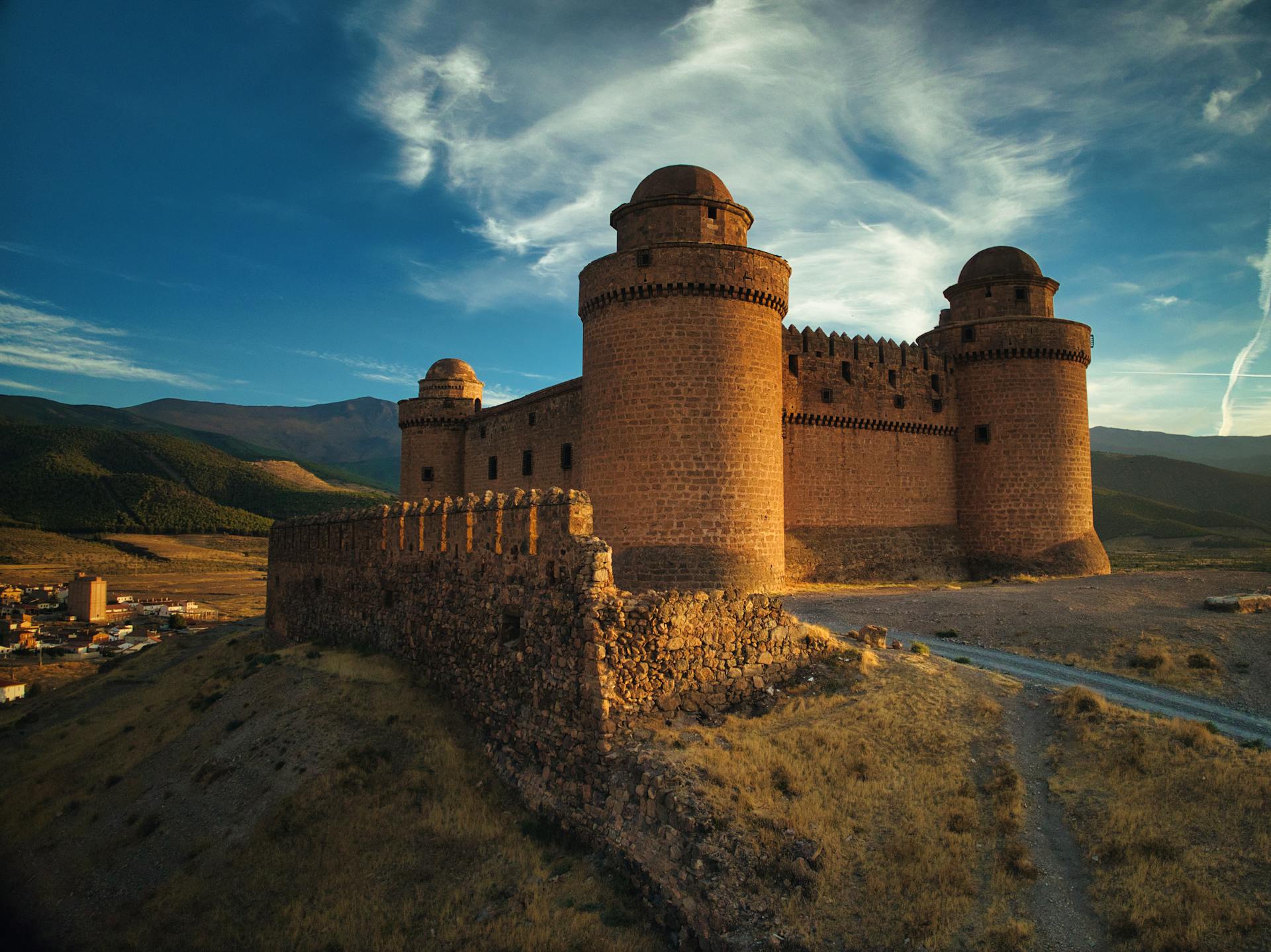
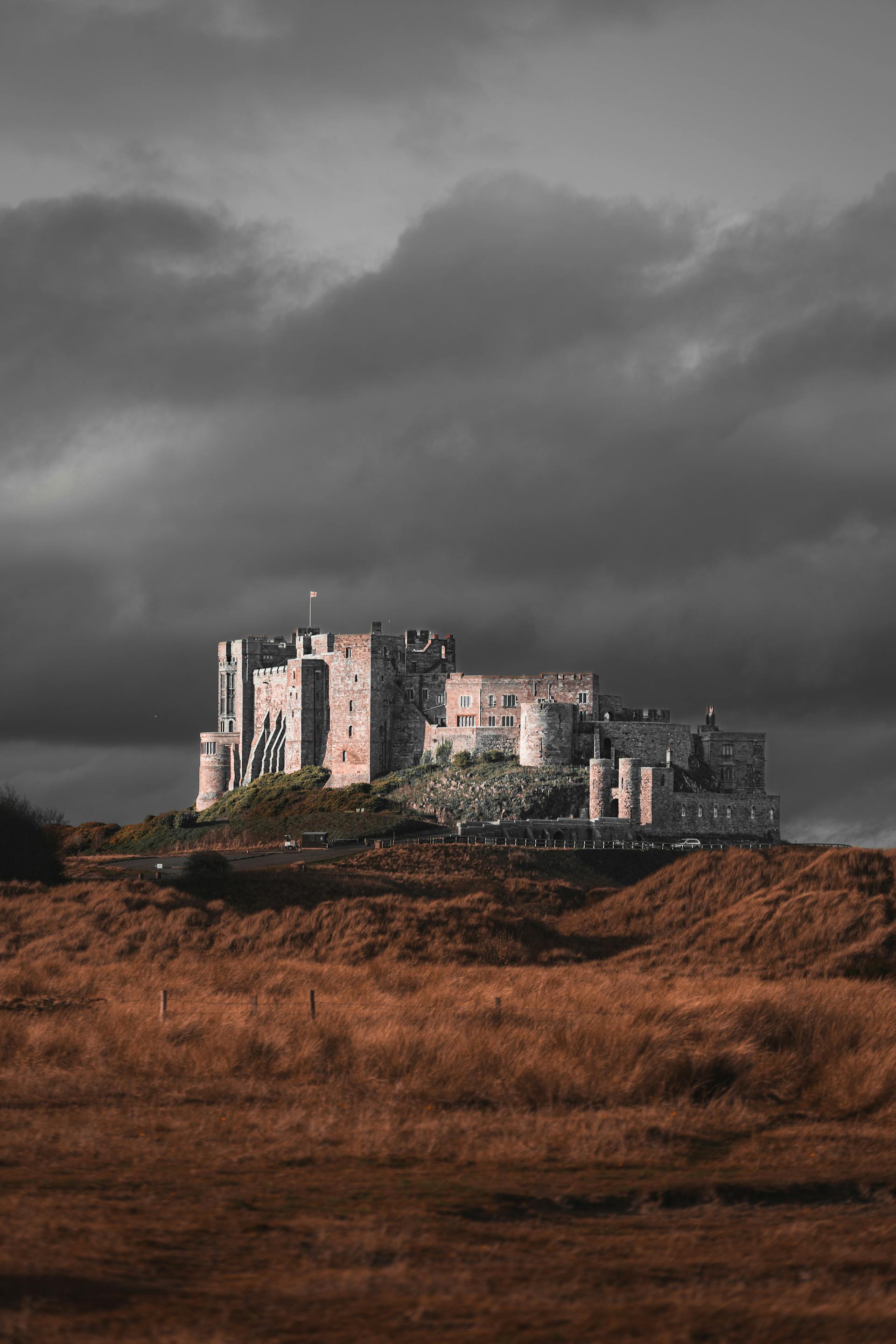
The latter part of the twelfth century and the early thirteenth century were characterized by the emergence of the Cylindrical Keep, which served as a transitional element linking the Shell and Rectangular Keeps of the preceding era, alongside the significant advancement of castellation that took place in the thirteenth century. However, this development should not be perceived as a sudden and radical transformation, as numerous signs can be found in the castles of the twelfth century that indicate a movement away from the prevailing conventionalism, leading to the creation of more intricate structures that aligned with the evolving military strategies of attack. The introduction of the Cylindrical Keep was among these innovations; although it did not address the fundamental flaw common to Keeps, namely their ineffectiveness in repelling besiegers, it did provide a method that allowed builders to achieve substantial savings in materials and labour, while simultaneously offering a robust passive resistance to assaults reminiscent of earlier architectural styles. It is likely that King Henry II was primarily responsible for the adoption of the Cylindrical Keep, as his French heritage afforded him familiarity with various foreign castles featuring citadels constructed in this manner. These Cylindrical Keeps were also referred to as Donjons and Juliets, and they reached a level of perfection on the Continent that was never attained in the British Isles. The benefits attributed to the Cylindrical Keep, aside from its reduced construction costs, include enhanced solidity and significant challenges in breaching it or undermining it through mining. By vaulting each floor, the structural resistance was augmented; similarly, enclosing the upper section in a comparable fashion effectively mitigated the risk of fire from incendiary projectiles aimed at the roof. Conisborough Castle features the most extraordinary cylindrical Keep in the British Isles, notable for its unique design and uncommon shape. This massive cylinder measures nearly seventy feet in diameter and rises to a height exceeding ninety feet. On its exterior, six large buttresses are symmetrically positioned around the structure, extending nine feet from the surface and measuring 16 feet in width at the points where they support the cylinder. However, their width decreases as they extend away from it. These buttresses ascend the entire height of the Keep, and when combined with the substantial masonry base upon which the tower is erected, they form a crucial part of the wall, which is approximately 12 feet thick. This configuration likely represents the most effective defence against mining attacks ever created for a British Castle. The structure can be likened to six massive spurs, where the destruction of one or even two would have minimal impact on the stability of the others. The entrance to the Keep is a small square opening located on the first floor, accessible via a long staircase that once featured a drawbridge. The ground floor houses the well and is accessed through a trap-door in the vaulted ceiling. This ceiling is exquisitely vaulted in the Early English style, adorned with intricately carved capitals and bases supporting the shafts. This magnificent remnant of the feudal era was likely constructed during the reign of Richard I by Hamelin Plantagenet, the illegitimate brother of King Henry II, who had connections to the de Warrenne family, the affluent Earls of Surrey. #Castles #History #Architecture

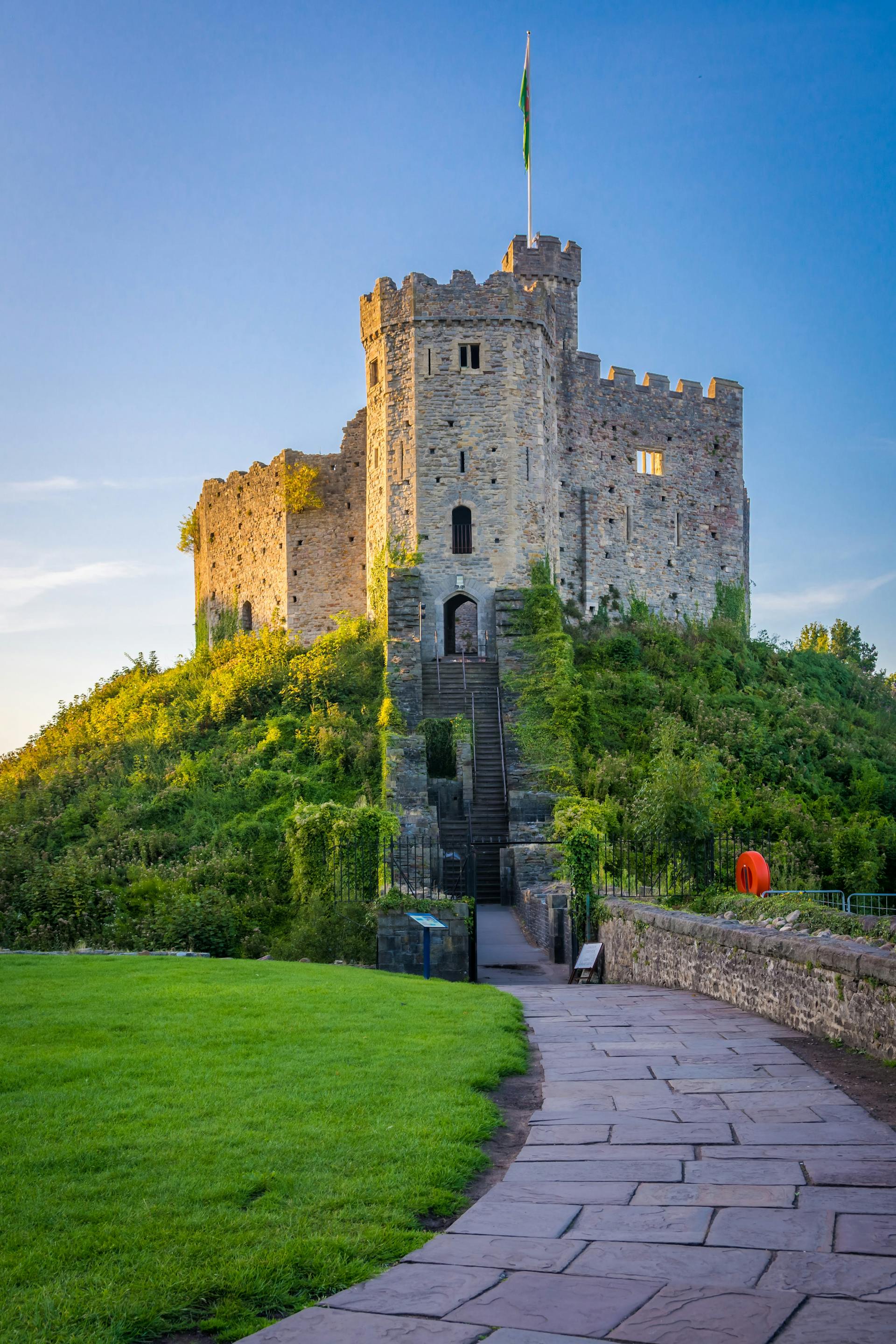
[Text-Information-Source: British Castles by Charles Henry Ashdown (1856-1922)] [The book is in the public domain in the United States of America, and possibly other nations.] [Image: Brick Castle with Flag on Top (Conisborough Castle); Image-Author: William Sutherland] [N.B.: Conisborough Castle is an example of castle with cylindrical keep] [Image-Source-Link: https://www.pexels.com/photo/brick-castle-with-flag-on-top-12878263/ ] [License-Link: https://www.pexels.com/license/ ][Please Also Relate to Original Image URL for More Usage Property and Sharing, Remixing or Attributing the Contents] [Contents in this Website is also covered by Disclaimer linked at the bottom of the Page][This website article means no intellectual appropriation by any way and only wishes to contribute in sharing of knowledge]


  Heritage Places, Castles & Architecture  


Click on Images for Information



Disclaimer   Privacy Policy   Disclosure   User-Manual   Contact   About Us