 Heritage Places, Castles & Architecture
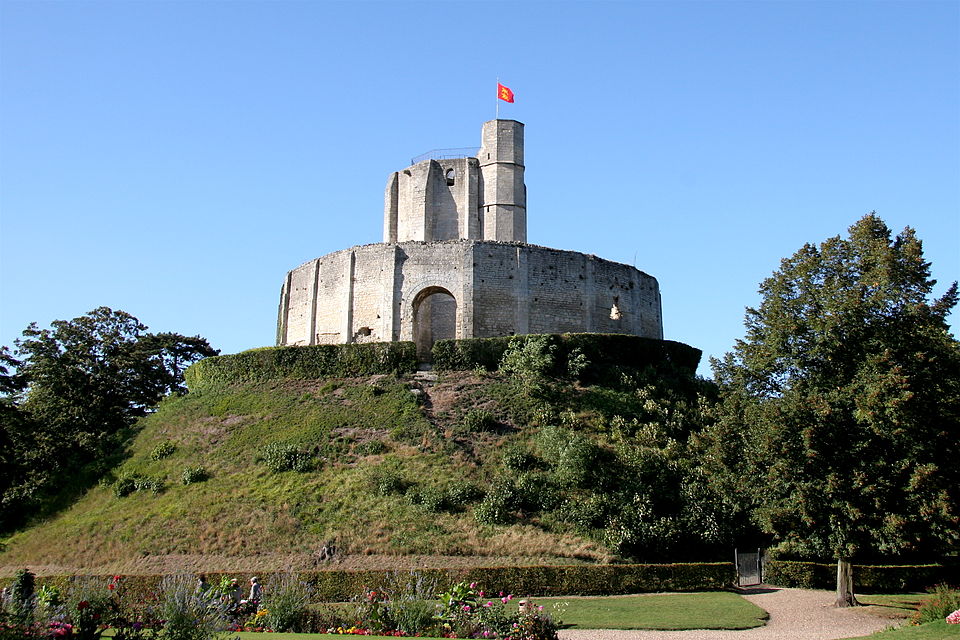

_(15584302832).jpg "In central Naples, Campania, Italy, in front of the city hall and Piazza Municipio, stands Castel Nuovo, also known as Maschio Angioino, a medieval fortress. First constructed in 1279, the castle is one of the most notable architectural attractions of the city due to its picturesque setting and mass")
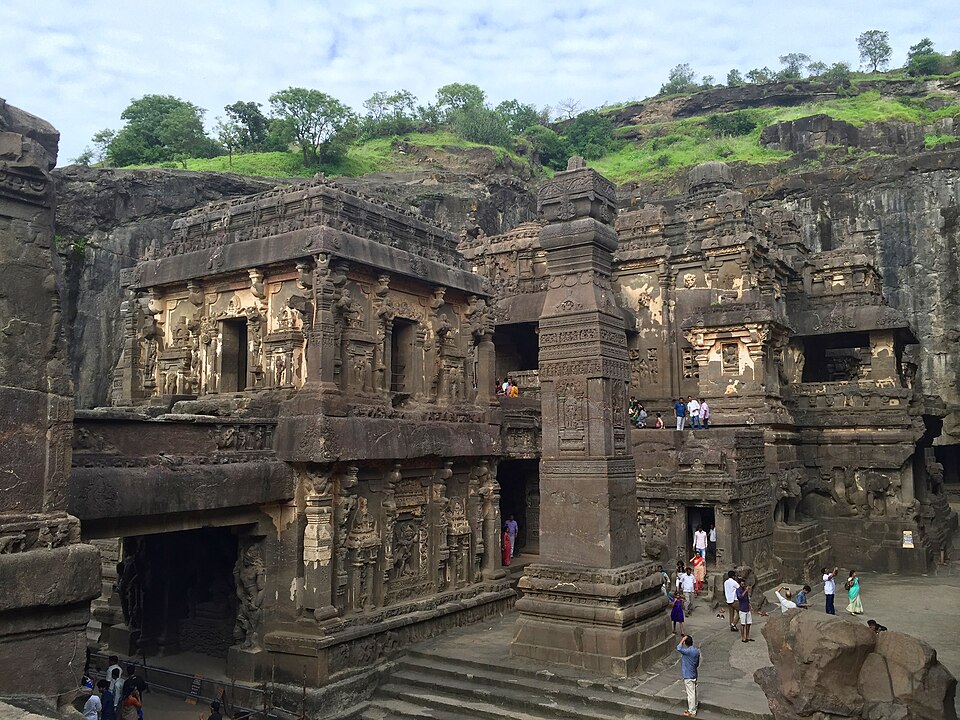
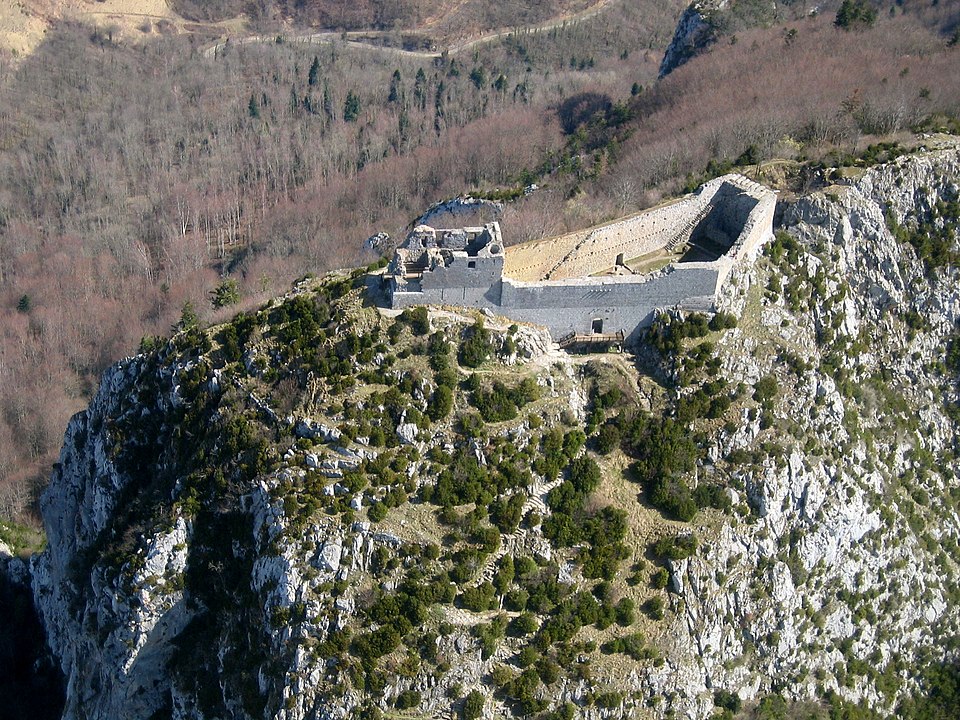
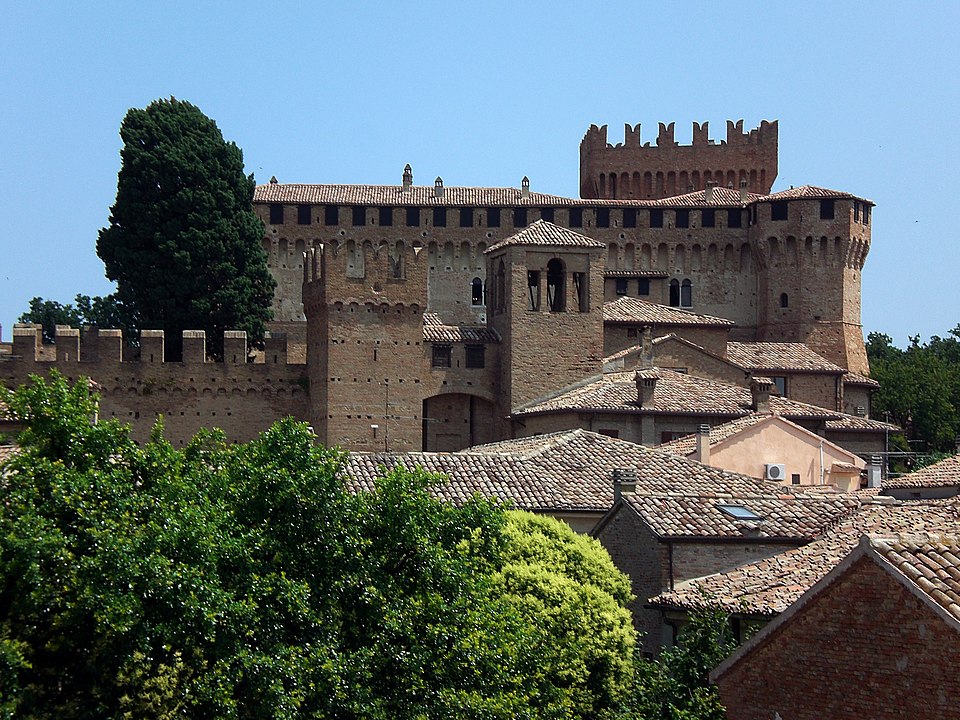
,_Wales_45.png "After 1282, quest of Edward I to capture north Wales included the construction of Beaumaris Castle in Beaumaris, Anglesey, Wales. The castle was likely originally planned to be built in 1284, but financial constraints caused this to be postponed, and construction did not start until 1295, after the")
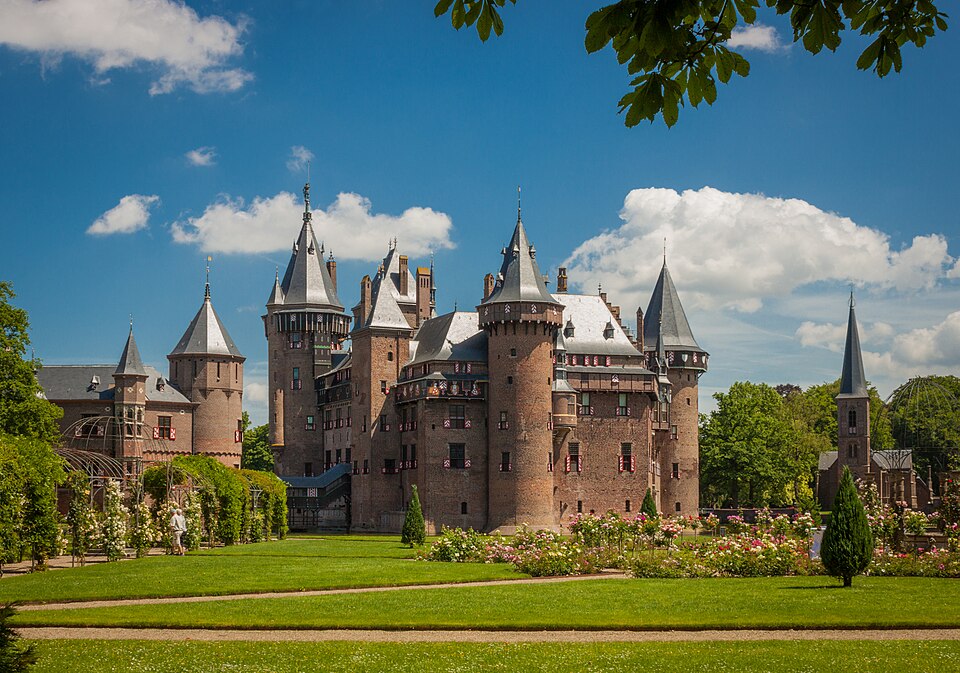
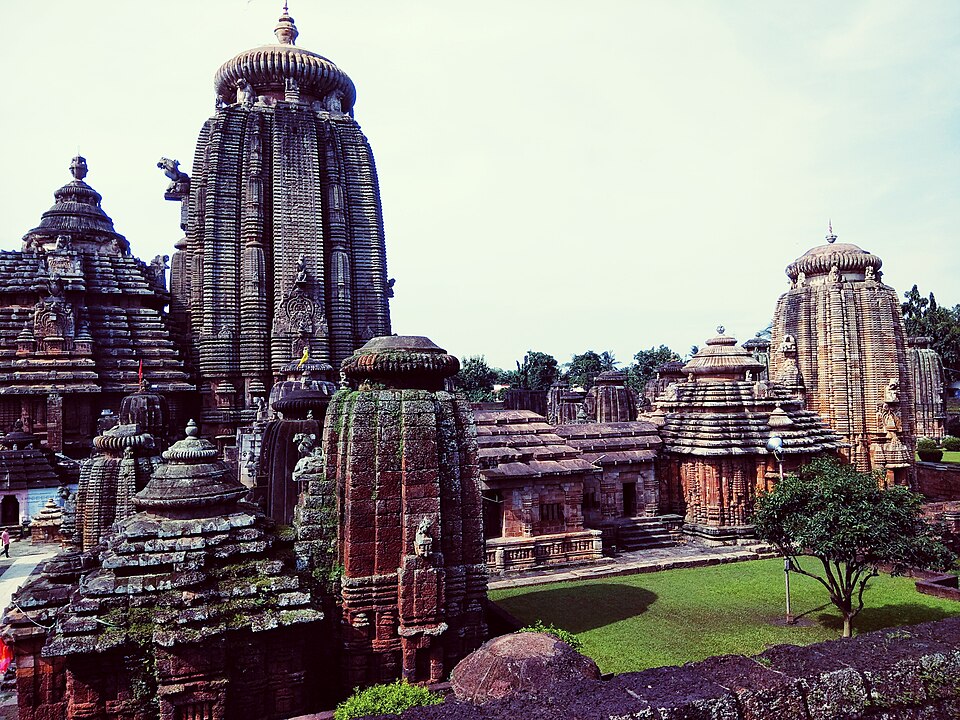
_jeste_lepe.jpg "Srebrenik fortification is a Bosnian and Herzegovina fortification close to the city of Srebrenik. Since November 2, 2004, it has been recognized as a national monument in Bosnia and Herzegovina. The stronghold is situated in the settlement of Gornji Srebrenik, approximately 5 kilometers from th")
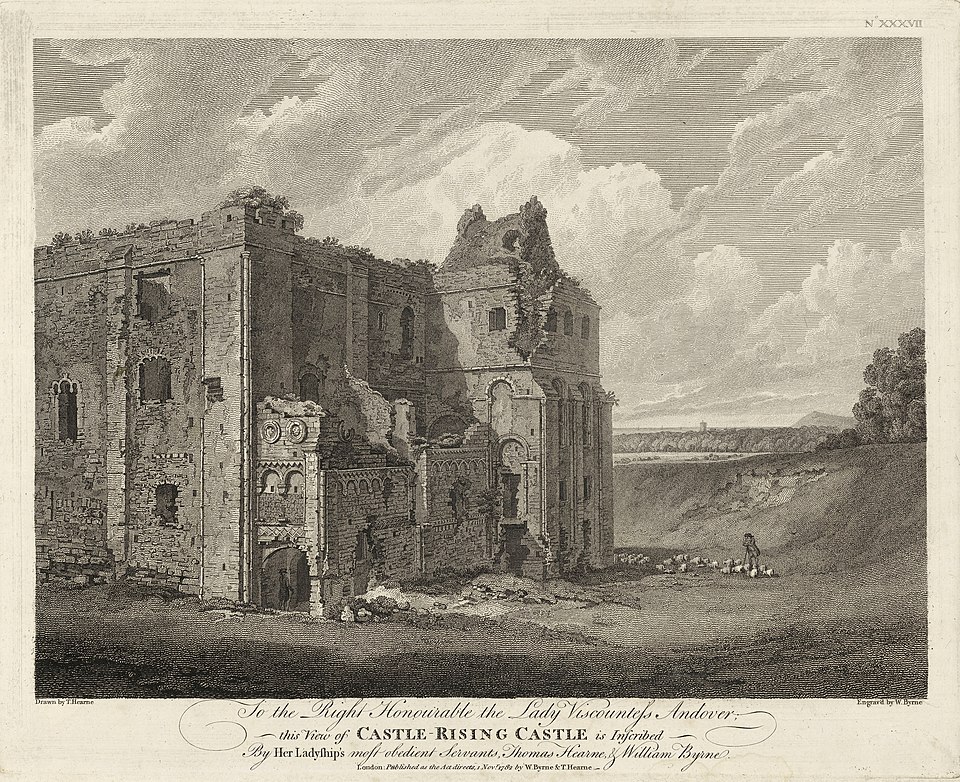
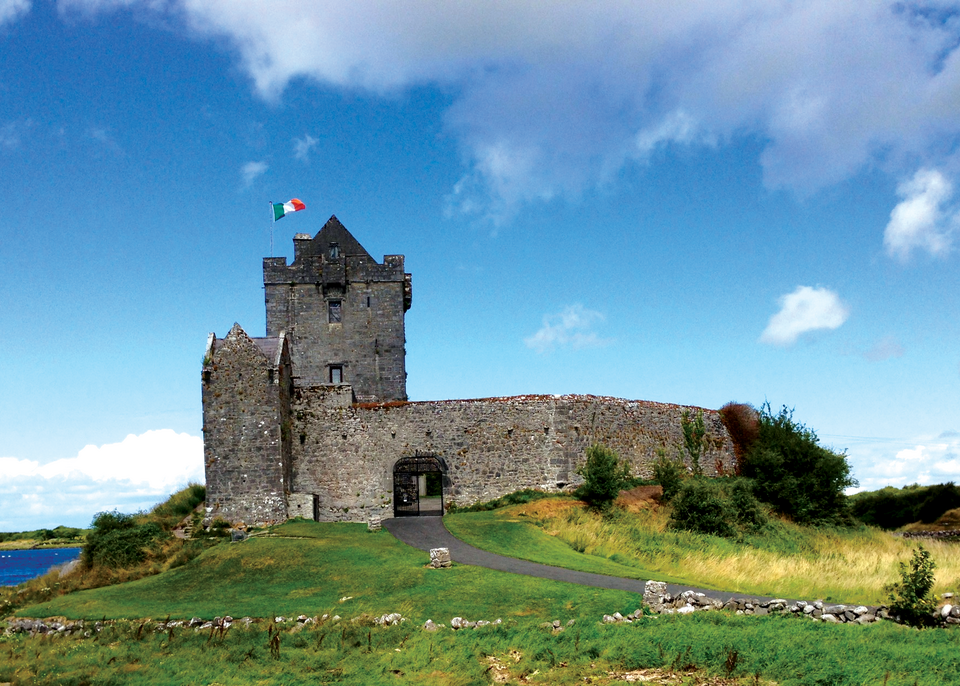
Click on Images for Information


@Heritage Places, Castles & Architecture
24-Sep-2025 11 pm
24-Sep-2025 11 pm
This article uses text information from the Wikipedia article -- Sacred_Ensembles_of_the_Hoysalas -- [Wikipedia-Article-Link: https://en.wikipedia.org/wiki/Sacred_Ensembles_of_the_Hoysalas ] which is released under the -- Creative Commons Attribution-ShareAlike 4.0 License – [License-Link: https://en.wikipedia.org/wiki/Wikipedia:Text_of_the_Creative_Commons_Attribution-ShareAlike_4.0_International_License ] [List of Principal Authors (5 or less) of the Wikipedia-Article on the date of this Article being Created in this Website: - খাঁ শুভেন্দু , Yupsguts , Andy02124 , Onel5969 , DesiBoy101] [Use the following Authorship tool to find out the author contributions:- https://xtools.wmcloud.org/authorship ] [The Current Article on this Website has been paraphrased from the above linked corresponding Wikipedia-Article and You may redistribute this, verbatim or modified, provided that you comply with the terms of the Creative Commons Attribution-ShareAlike 4.0 License] [License-Link: https://en.wikipedia.org/wiki/Wikipedia:Text_of_the_Creative_Commons_Attribution-ShareAlike_4.0_International_License ]
This article also uses an image from the Wikipedia article -- List_of_World_Heritage_Sites_in_India -- [Wikipedia-Article-Link: https://en.wikipedia.org/wiki/List_of_World_Heritage_Sites_in_India ] [Overview of the Chennakesava (or Chennakeshava) temple in Somnathpur (or Somanathapura); Wikipedia-Image-Author: Jean-Pierre Dalbéra from Paris, France] [Wikipedia-Image-Link: https://en.wikipedia.org/wiki/File:Le_temple_de_Chennakesava_(Somanathapura,_Inde)_(14465165685).jpg ] [Image Availed Under Creative Commons Attribution 2.0 Generic license] [License-Link: https://creativecommons.org/licenses/by/2.0/deed.en ] [You may copy, distribute and transmit the work (image) or remix the work (image) and attribute the work (image) with proper license link, complying with the terms of the Creative Commons Attribution 2.0 Generic license in distribution] [License-Link: https://creativecommons.org/licenses/by/2.0/deed.en ] [Please Also Relate to Original Individual Text and Image URLs for More Usage Property and Sharing, Remixing or Attributing the Contents]
[Contents on Wikipedia is covered by -- Disclaimer – Wikipedia-Disclaimer-Link: https://en.wikipedia.org/wiki/Wikipedia:General_disclaimer ] [Contents in this Website is also covered by Disclaimer linked at the bottom of the Page] [This website article means no intellectual appropriation by any way and only wishes to contribute in sharing of knowledge]
_(14465165685).jpg)
 Heritage Places, Castles & Architecture
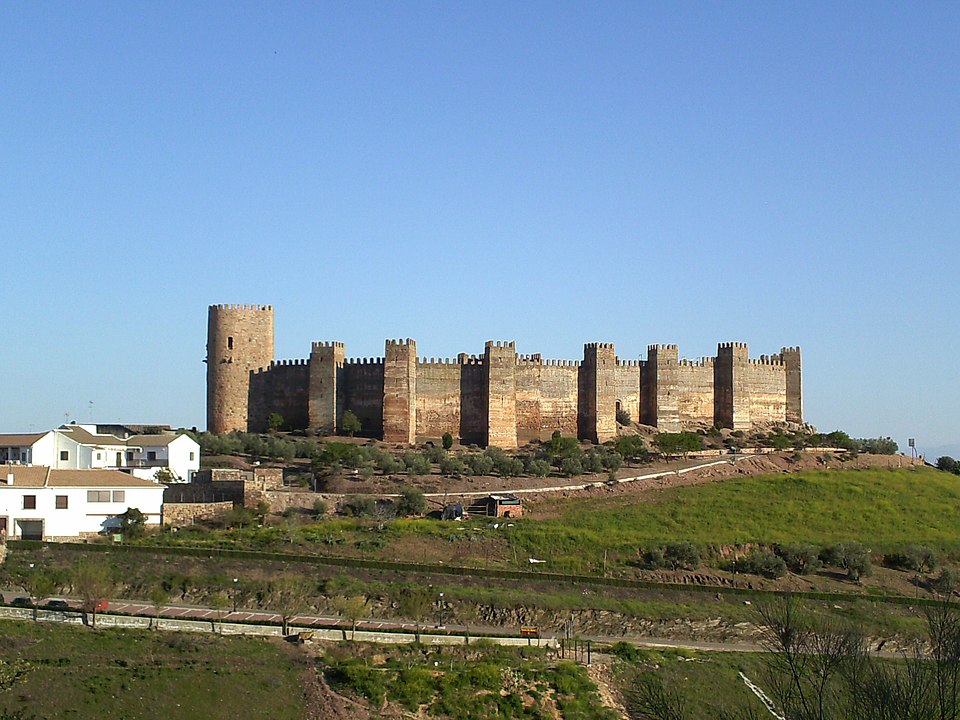
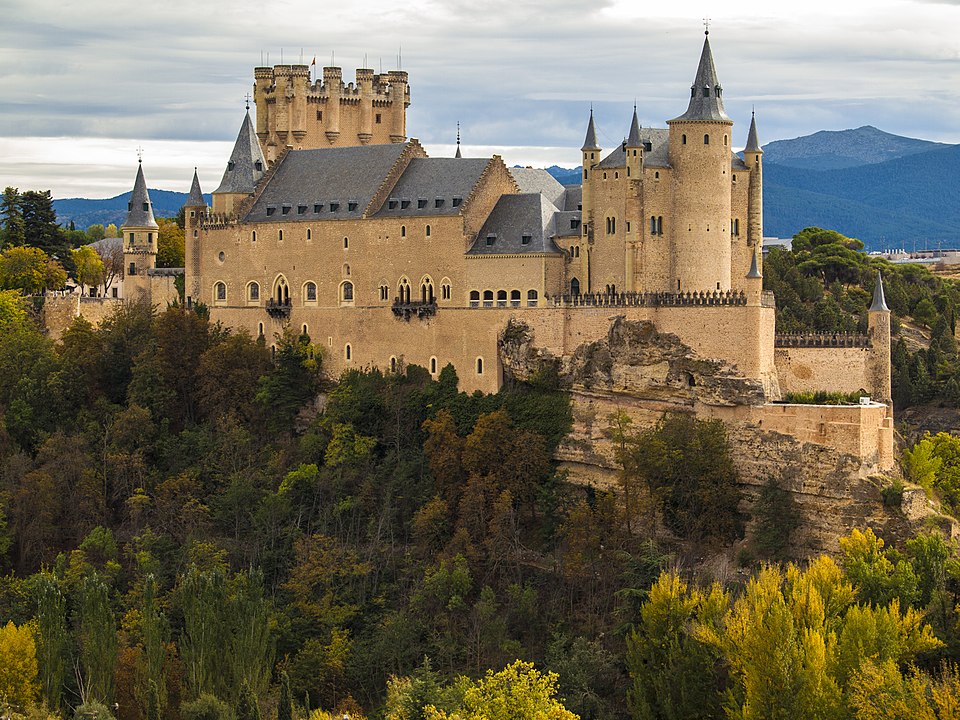
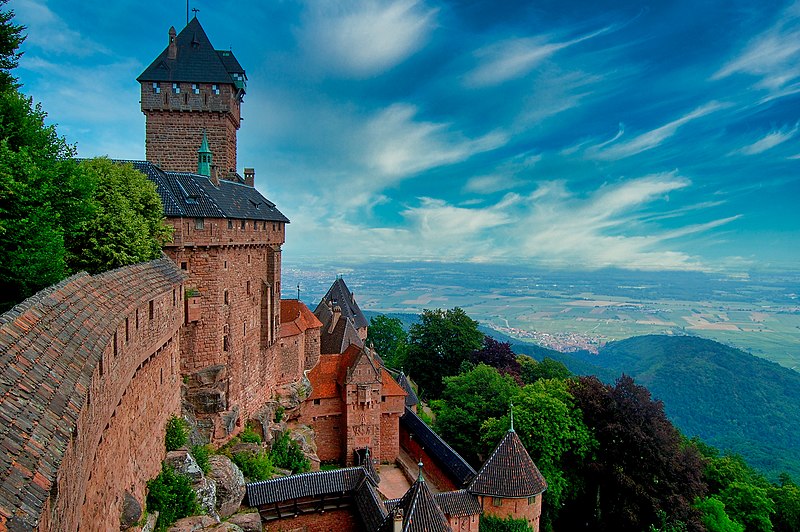
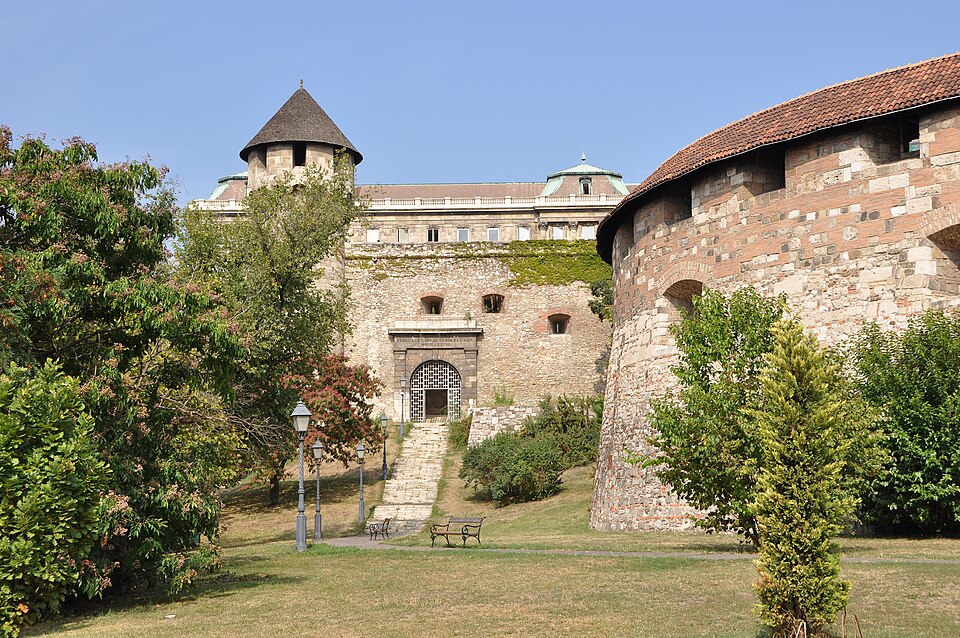
.jpg "One of the best-preserved Roman temples still standing in the former territory of Roman Empire is the Maison carrée, an old Roman temple in Nîmes, southern France. It is a caesareum, a medium-sized Augustan provincial shrine dedicated to the Imperial cult. The neoclassical Église de la Madeleine")
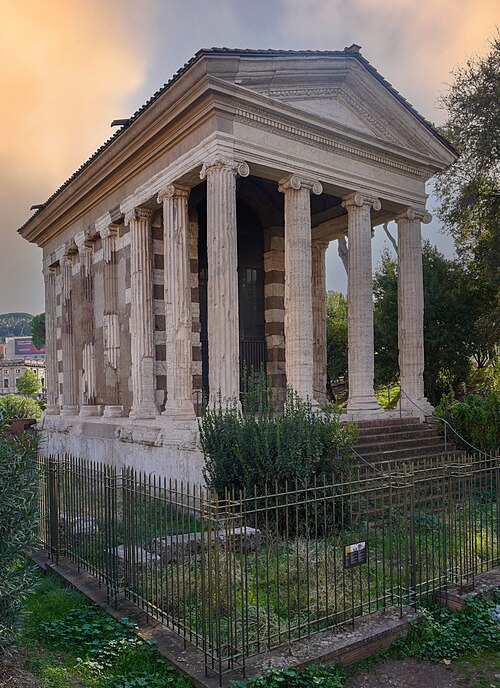
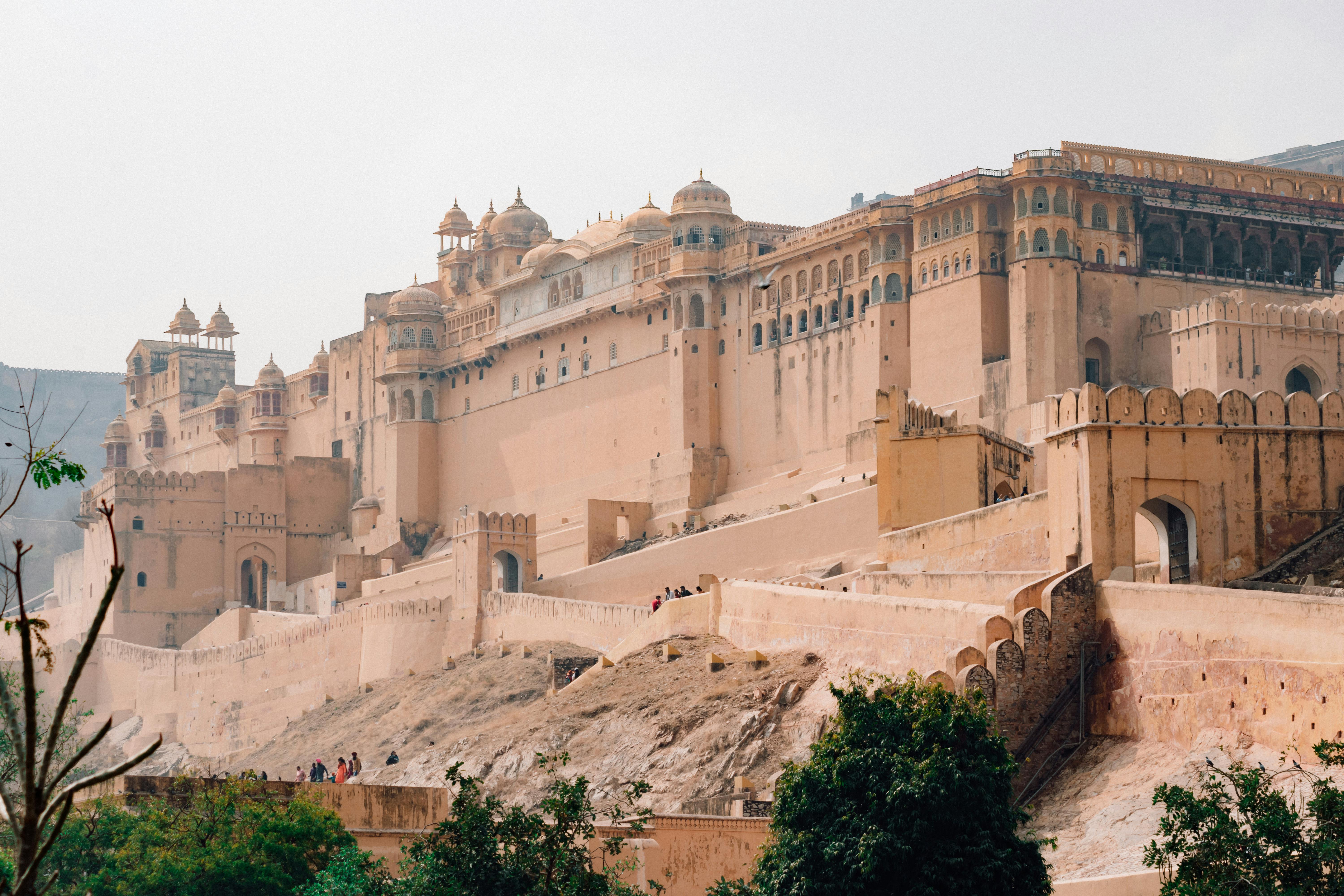
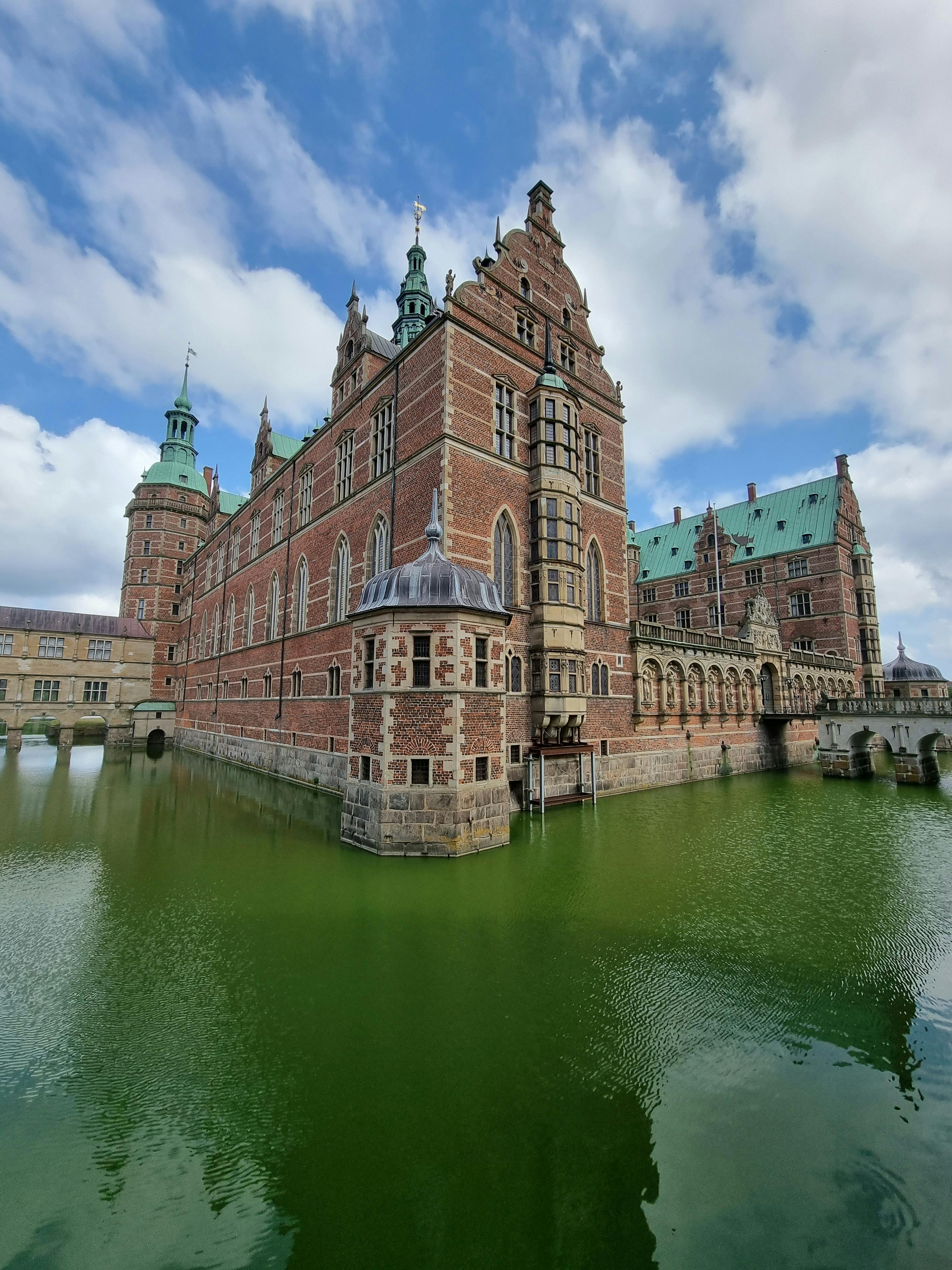
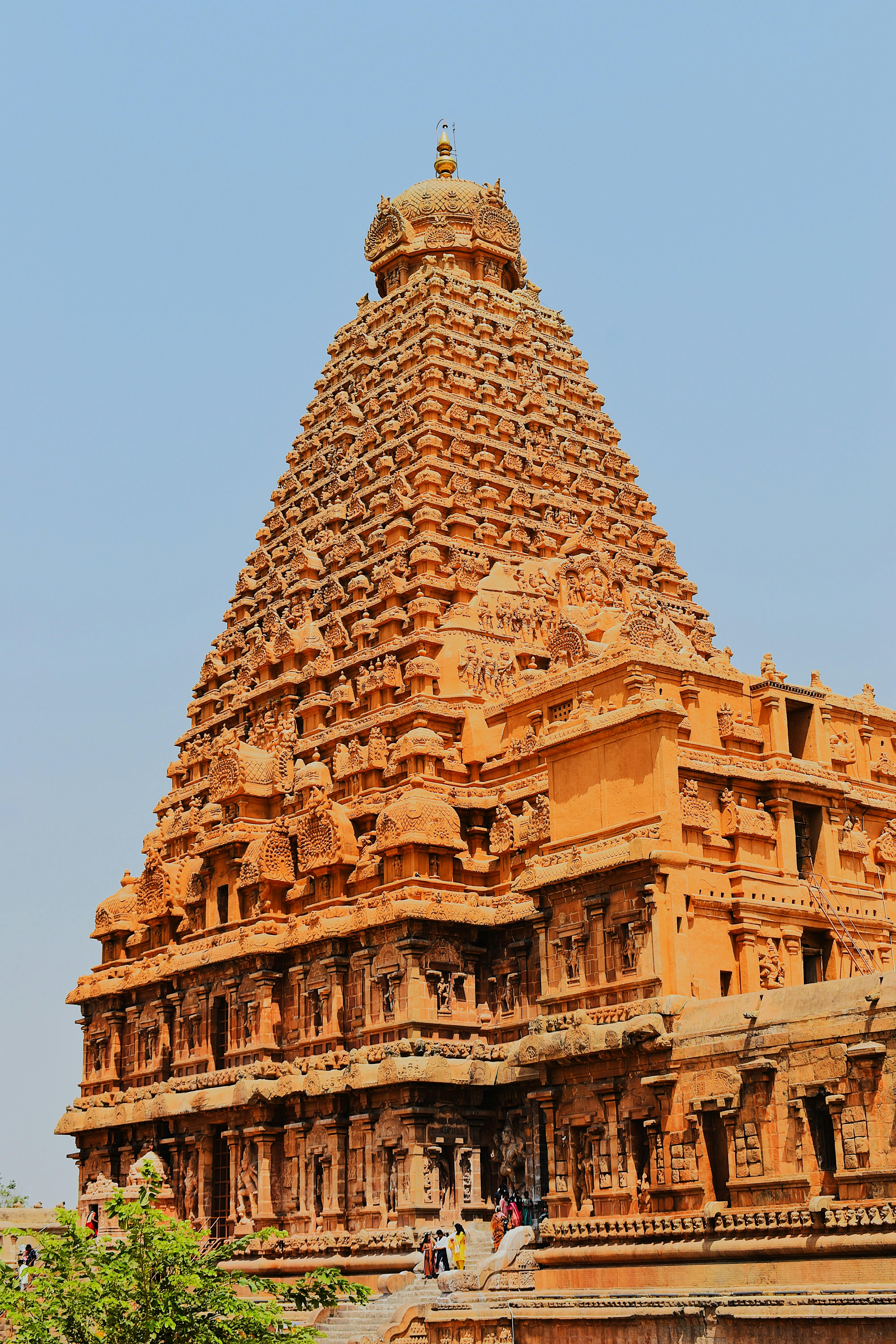
_2.jpg "The first and most significant temple of Rome devoted to the Magna Mater, also known as the Great Mother, or Cybele as the Greeks called her, was called the Temple of Cybele or the Temple of Magna Mater. It was constructed to hold a specific image or form of the goddess, a meteoric stone that was br")
Click on Images for Information
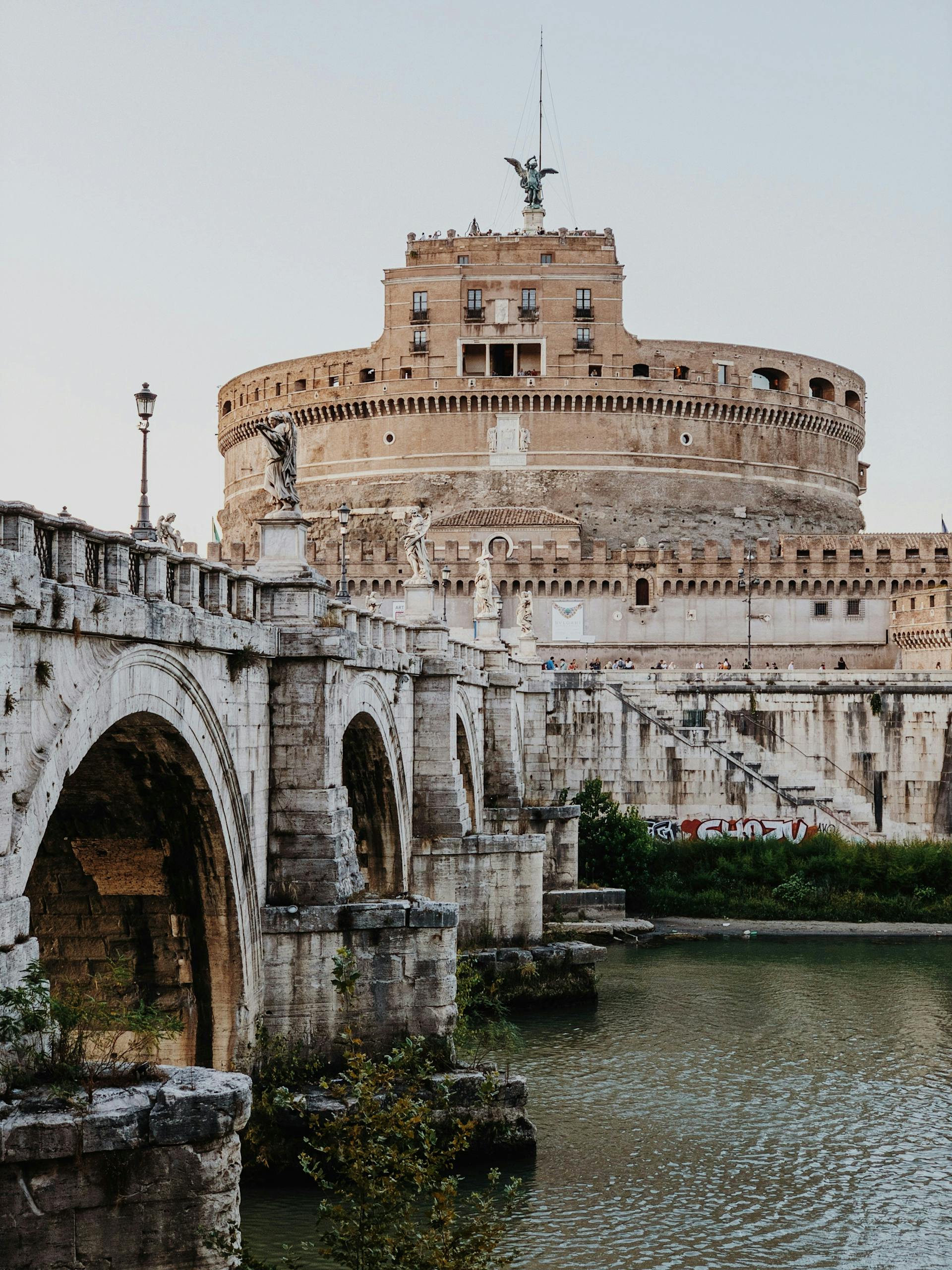
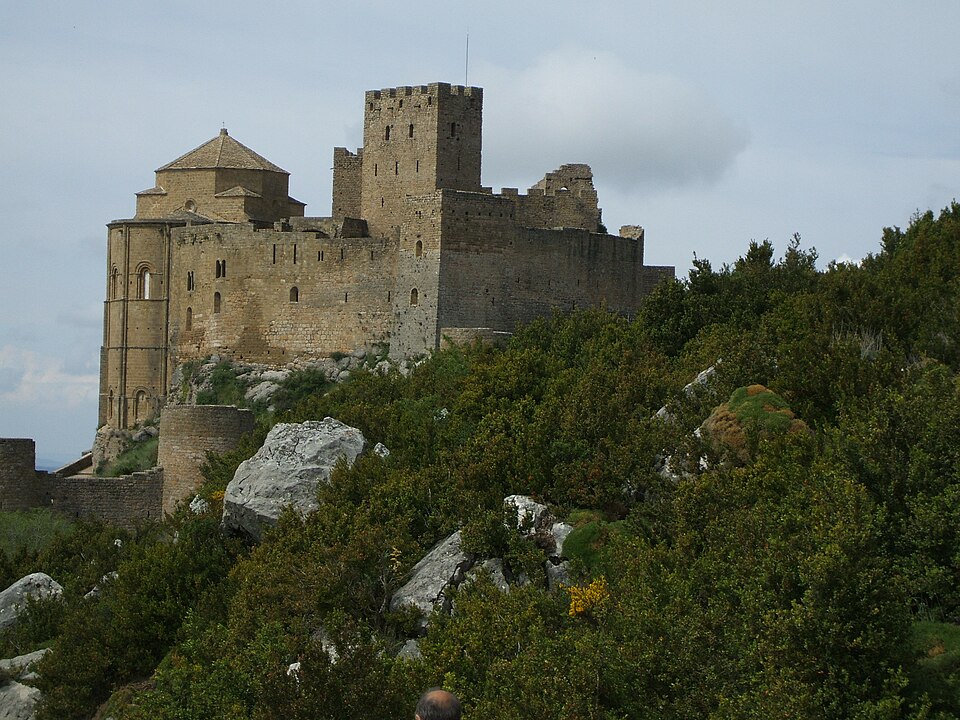
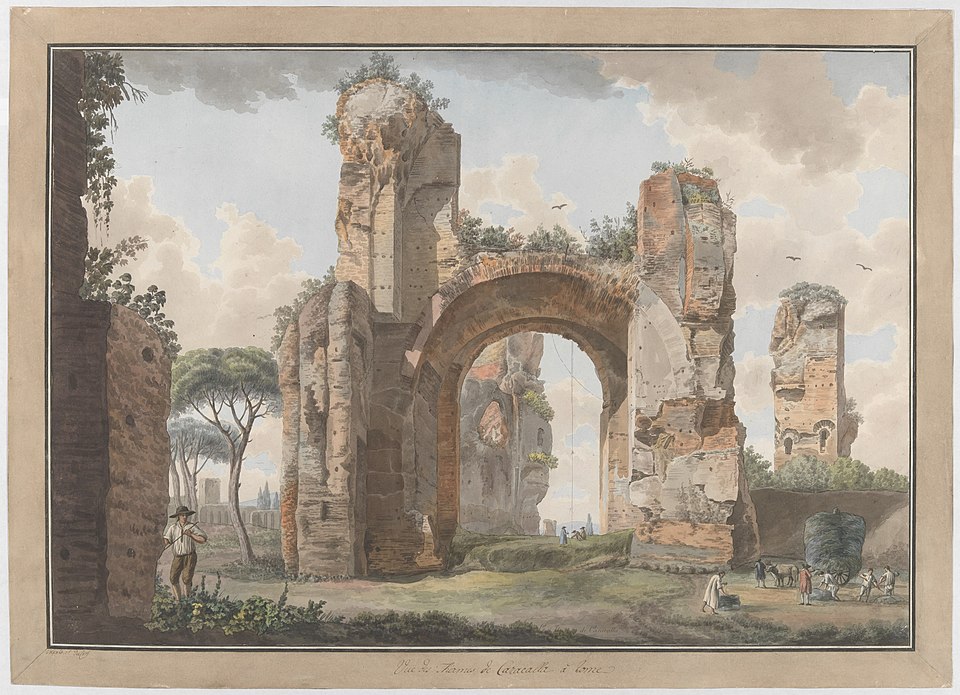
.webp.png "The English county of Herefordshire is home to Hampton Court Castle, often called Hampton Court, a castellated country house. Situated four miles south of Leominster in the parish of Hope beneath Dinmore, the house is a Grade I listed building, the highest type of architecture covered by the statuto")