Heritage Places, Castles & Architecture  


Click on Images for Information


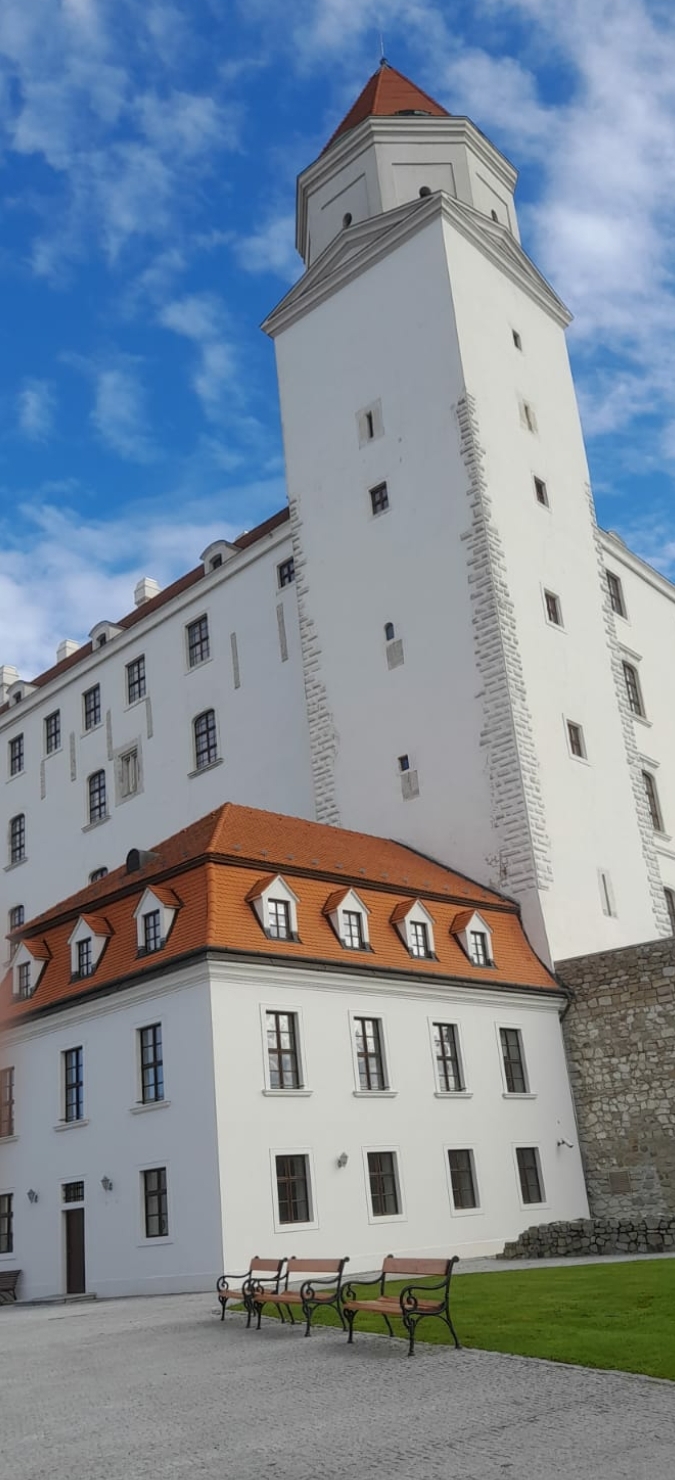
The capital of Slovakia, Bratislava (also known as Pressburg, Pozsony), is home to the principal Bratislava Castle. Situated right above the Danube River in the heart of Bratislava, on a solitary rocky hill of the Little Carpathians, is the enormous rectangular edifice with four corner towers. Its location and size have made it a prominent aspect of the city for ages. Superb perspectives of Bratislava, Austria, and on clear days portions of Hungary, are available from this location. There are numerous legends of past associated with the castle. The castle structure has four towers, one at each corner, as well as an eighty-meter-deep water well in the courtyard. The Crown structure, located on the southwest corner, is the biggest and tallest structure. The tower, which was built in the thirteenth century, held the crown jewels of Hungary for about 200 years, starting in the middle of the fifteenth century. There are shards of old Gothic and Renaissance architectural components found in the outside walls and interior passages. To the east of the great hall still stands the 16th-century walled-up entrance gate. There is an arcade hallway behind the entry that leads to a grand Baroque staircase and the second-floor galleries of the Slovak National Museum. The four halls of the Treasure Chamber, that include an assortment of the most priceless artefacts from Slovakia as well as prehistoric statues, including the Venus of Moravany, are located in the west wing of this floor. The location of the castle, like that of the city today, has supported human habitation for thousands of years due to its advantageous location at a crossroads between the Carpathians and the Alps, at a major ford over the Danube, and at a major intersection of ancient trade routes that once connected the Balkans and the Adriatic Sea to the Rhine River and the Baltic Sea. Of these, the Amber Route was the most significant route. The first civilization known to have built settlements on Castle Hill was the Boleráz people. This occurred approximately at 3500 BC. Their so called Castle served as both a fortified community and a sort of acropolis for the communities that make up the Old Town of Bratislava. The castle hill rose to prominence as a Celtic centre in the Late Iron Age. It functioned as the acropolis of a settlement for the Celtic Boii tribes in the last century BC. During the Roman Period, or between first to fourth centuries AD, the Romans also resided on the castle hill, which was since 9 BC, located at the edge of the Roman Empire at Danube. However, the entrance of the Slavs into the Bratislava region altered the course of events. At first, they erected some fortifications and utilized some older Roman and Celtic constructions. A massive 55,000 square meter Slavic castle with a wooden rampart was built, most likely near the end of the eighth century. Built in Bratislava, this Slavic fortress was constructed using materials from abandoned Roman structures. In the tenth century, work on erecting a new stone castle began, but progress was slow. But by the time of the rule of King Stephen I of Hungary, 1000 to 1038 AD, the fortress was already one of the main strongholds in the nation. It was designated as seat of Pozsony County. In the twelfth century, the fortress was transformed into a stone palace reminiscent of a proto-Romanesque era. Friedrich Barbarossa assembled his army of crusaders under the fortress in 1182. Early in the 12th century, the ecclesiastical buildings and institutions of the castle were relocated to the town underneath it. One of the few castles in the Kingdom of Hungary to withstand Mongol attacks in 1241 and 1242 AD was the well-defended Pressburg stronghold. In response to these assaults, a massive tower for the defence of the kingdom was built at the castle in 1245, right next to two older palaces. In reality, the tower was a massive residential structure. Pressburg was the capital of the surviving Kingdom of Hungary, which was renamed Royal Hungary and administered by the Austrian Habsburgs, after the Turks had taken control of modern-day Hungary in 1536. As a result, Pressburg Castle rose to prominence as the principal royal stronghold and the official residence of the Kings of Royal Hungary. The Holy Crown of Hungary resided in the castle from 1552 to 1784. Pressburg was ultimately abandoned as the location of the central authorities of the kingdom in favour of Buda in 1783. The Royal Crown Jewels of the Hungarian Kingdom were then progressively transferred to Hofburg in Vienna. The castle was converted into a general seminary in 1784, a state institution for Catholic priests. The general seminary again relocated in 1802, and the castle was now used as a barrack for the armed forces. This was the beginning of the downfall of the castle. Army of Napoleon bombarded the fortress and Pressburg in 1809. Because of the negligence of the garrison soldiers, the castle caught fire on May 28, 1811, causing the fire to spread to other areas of the town. The military sold portions of the principal buildings to the neighbouring areas for use as construction materials and the damaged castle continued to degrade. There were even attempts to destroy the castle in order to construct government buildings and a university area on the castle hill between the two world wars. Up until 1946, a large portion of the property was still utilized for barracks and had been so modified accordingly. The ruin was then opened to the public in 1946. In the northern portion of the castle site, the town built an amphitheatre two years later, which was in service for about fifteen years. In the summer, movies were screened there. Eventually, the decision was made to again restore the castle. Research on architecture and archaeology began in 1953, and extensive restoration work got underway in 1957. The late Baroque state of the main building was restored, while older, still-preserved Gothic and Renaissance architectural components were also renovated in various locations. The Honorary Courtyard of Bratislava Castle was fully restored on June 6, 2010, when equestrian statue of Svatopluk I of artist Ján Kulich was unveiled in a nationally broadcasted ceremony. #History #Architecture #Castles

This article uses text information from the Wikipedia article -- Bratislava_Castle -- [Wikipedia-Article-Link: https://en.wikipedia.org/wiki/Bratislava_Castle ] which is released under the -- Creative Commons Attribution-ShareAlike 4.0 License – [License-Link: https://en.wikipedia.org/wiki/Wikipedia:Text_of_the_Creative_Commons_Attribution-ShareAlike_4.0_International_License ] [List of Principal Authors (5 or less) of the Wikipedia-Article on the date of this Article being Created in this Website: - Juro, Nmate, Revirvlkodlaku, Goldnpuppy, Brutalhovno] [Use the following Authorship tool to find out the author contributions:- https://xtools.wmcloud.org/authorship ] [The Current Article on this Website has been paraphrased from the above linked corresponding Wikipedia-Article and You may redistribute this, verbatim or modified, provided that you comply with the terms of the Creative Commons Attribution-ShareAlike 4.0 License] [License-Link: https://en.wikipedia.org/wiki/Wikipedia:Text_of_the_Creative_Commons_Attribution-ShareAlike_4.0_International_License ]

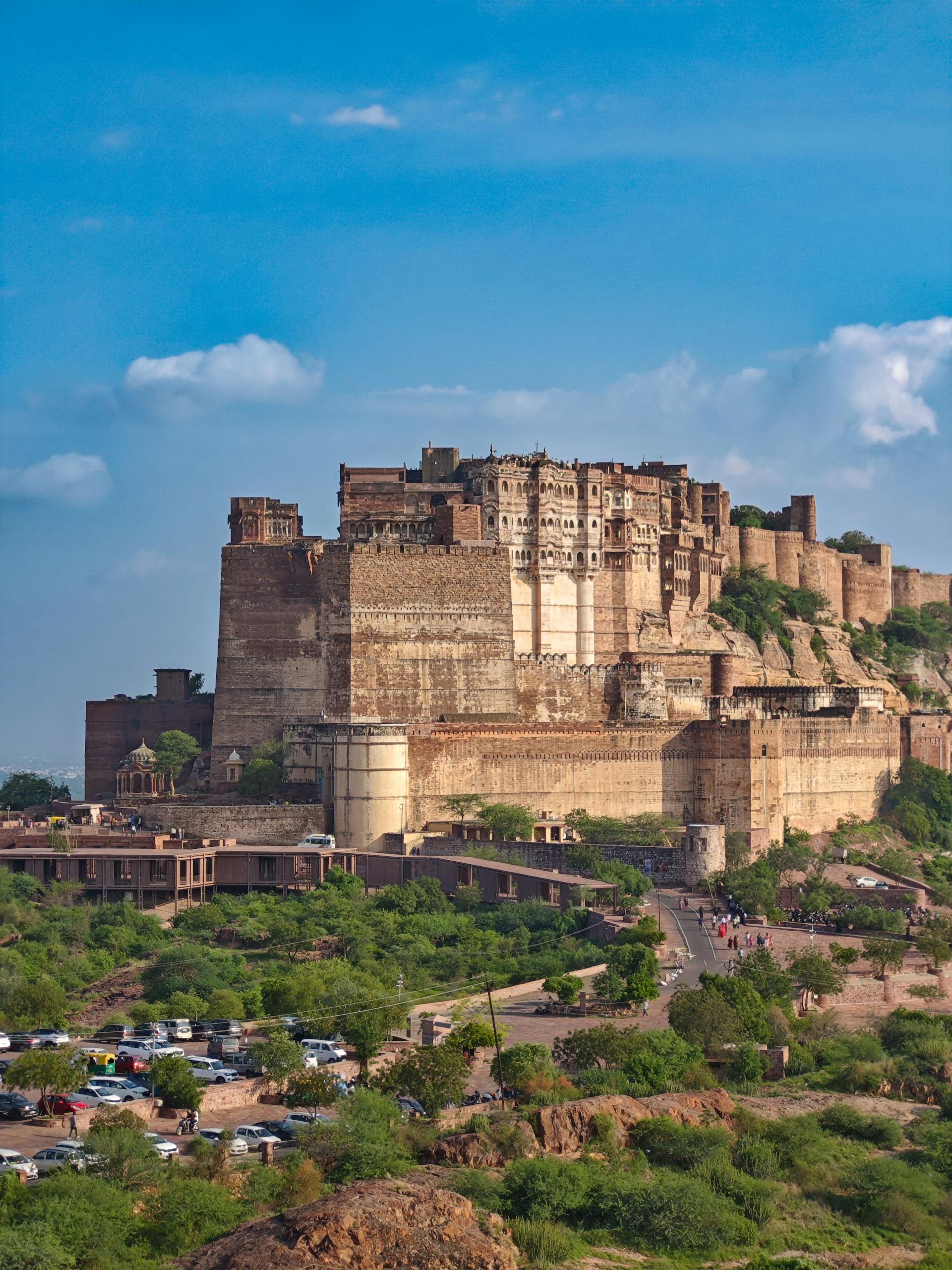
[Image: Bratislava Castle; Image Credit and Attribution: Dr. Debabrata Chakrabarti (Personal Image Collection of Dr. Debabrata Chakrabarti who has given sole permission for the Image to be published by this website)] [Please Also Relate to Original Individual Text and/or Image URLs (if available) for More Usage Property and Sharing, Remixing or Attributing the Contents] [Contents on Wikipedia is covered by -- Disclaimer – Wikipedia-Disclaimer-Link: https://en.wikipedia.org/wiki/Wikipedia:General_disclaimer ] [Contents in this Website is also covered by Disclaimer linked at the bottom of the Page] [This website article means no intellectual appropriation by any way and only wishes to contribute in sharing of knowledge]


  Heritage Places, Castles & Architecture  


Click on Images for Information


Disclaimer   Privacy Policy   Disclosure   User-Manual   Contact   About Us