 Heritage Places, Castles & Architecture
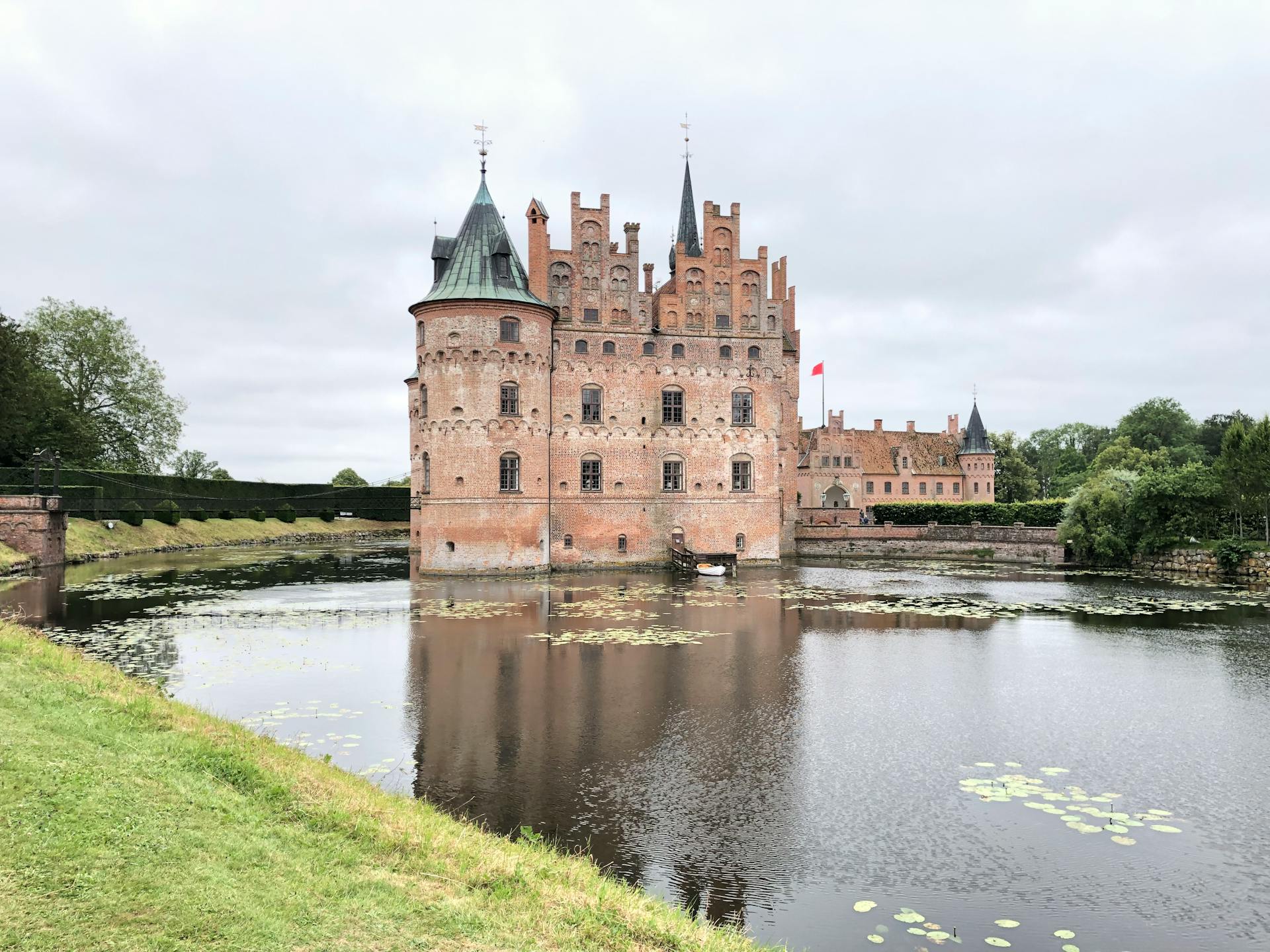
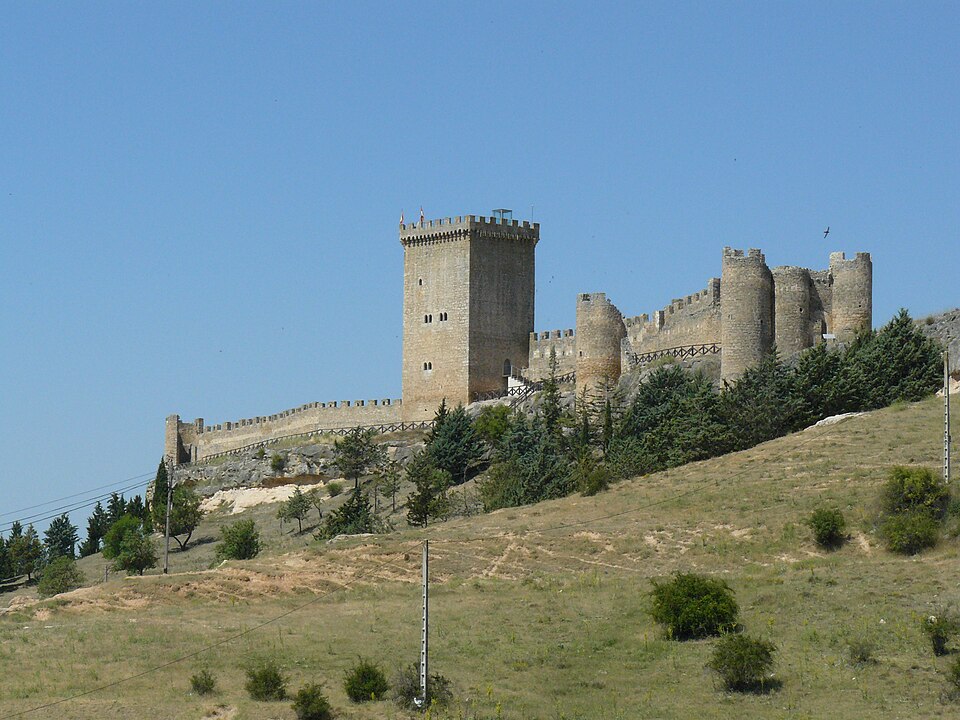
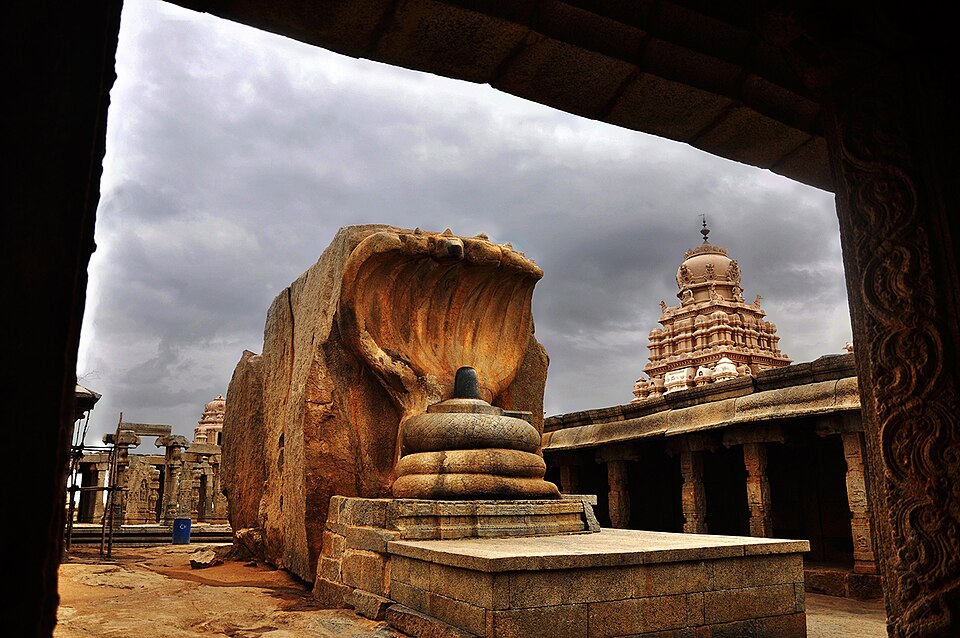
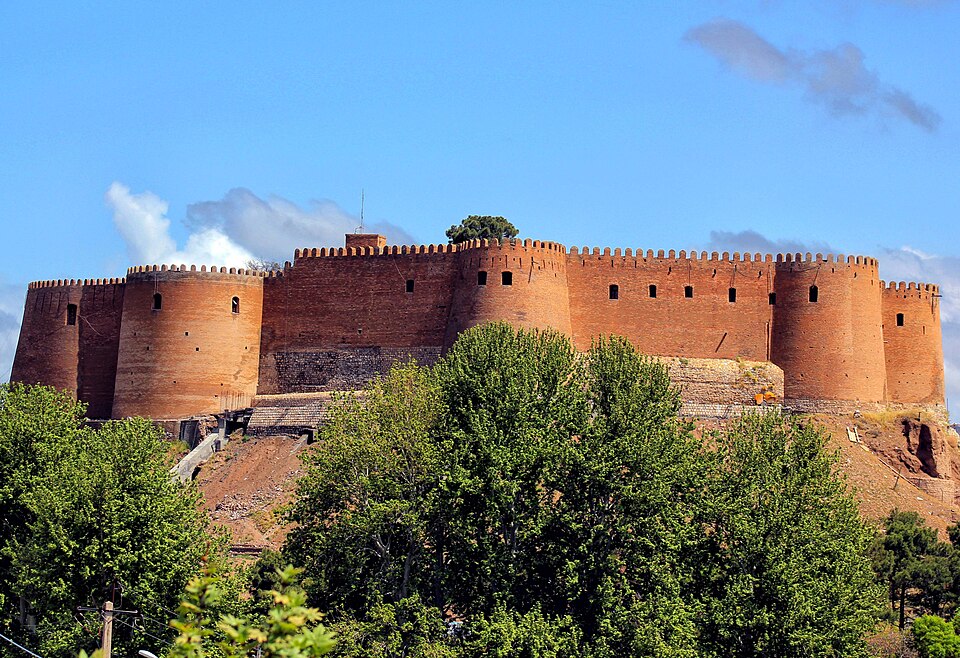
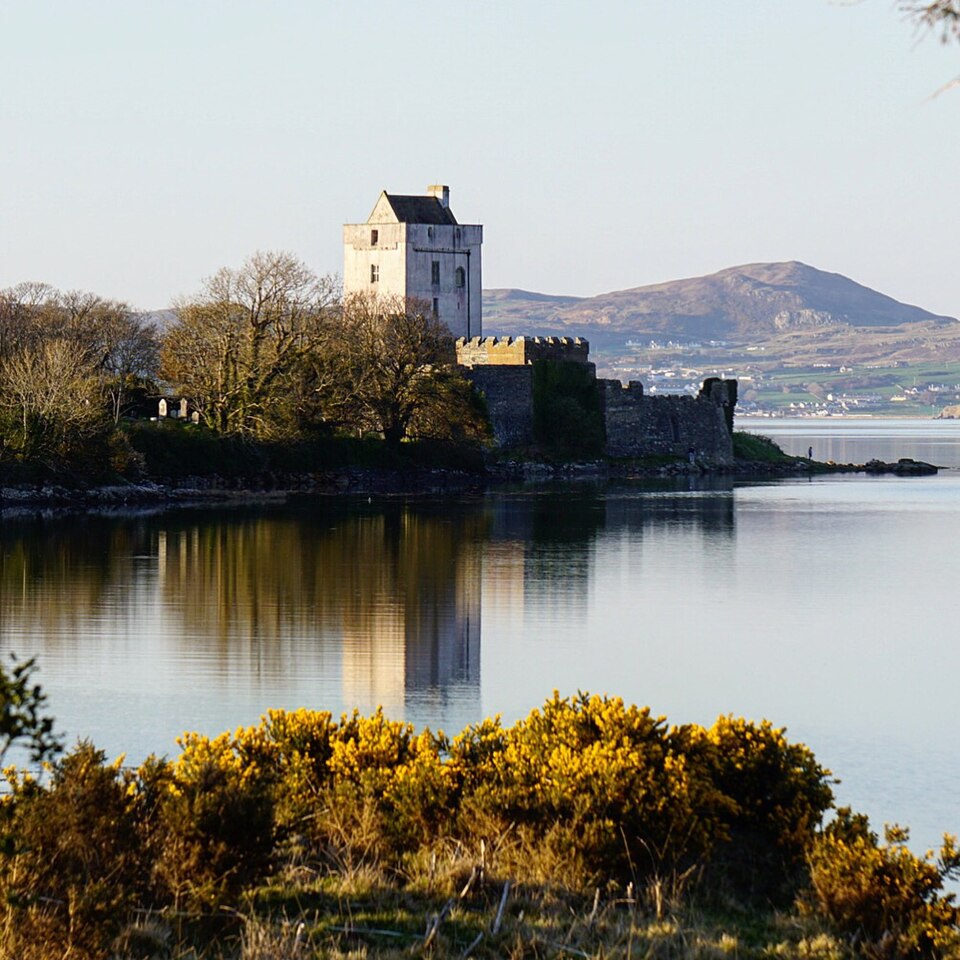
.jpg "Lismore Castle is a castle in the County Waterford of Republic of Ireland, situated in the town of Lismore. It was owned by the Desmond Earls until 1753, when it was passed down to the Cavendish family. The Duke of Devonshire now resides there in Ireland. The sixth Duke of Devonshire had it substant")
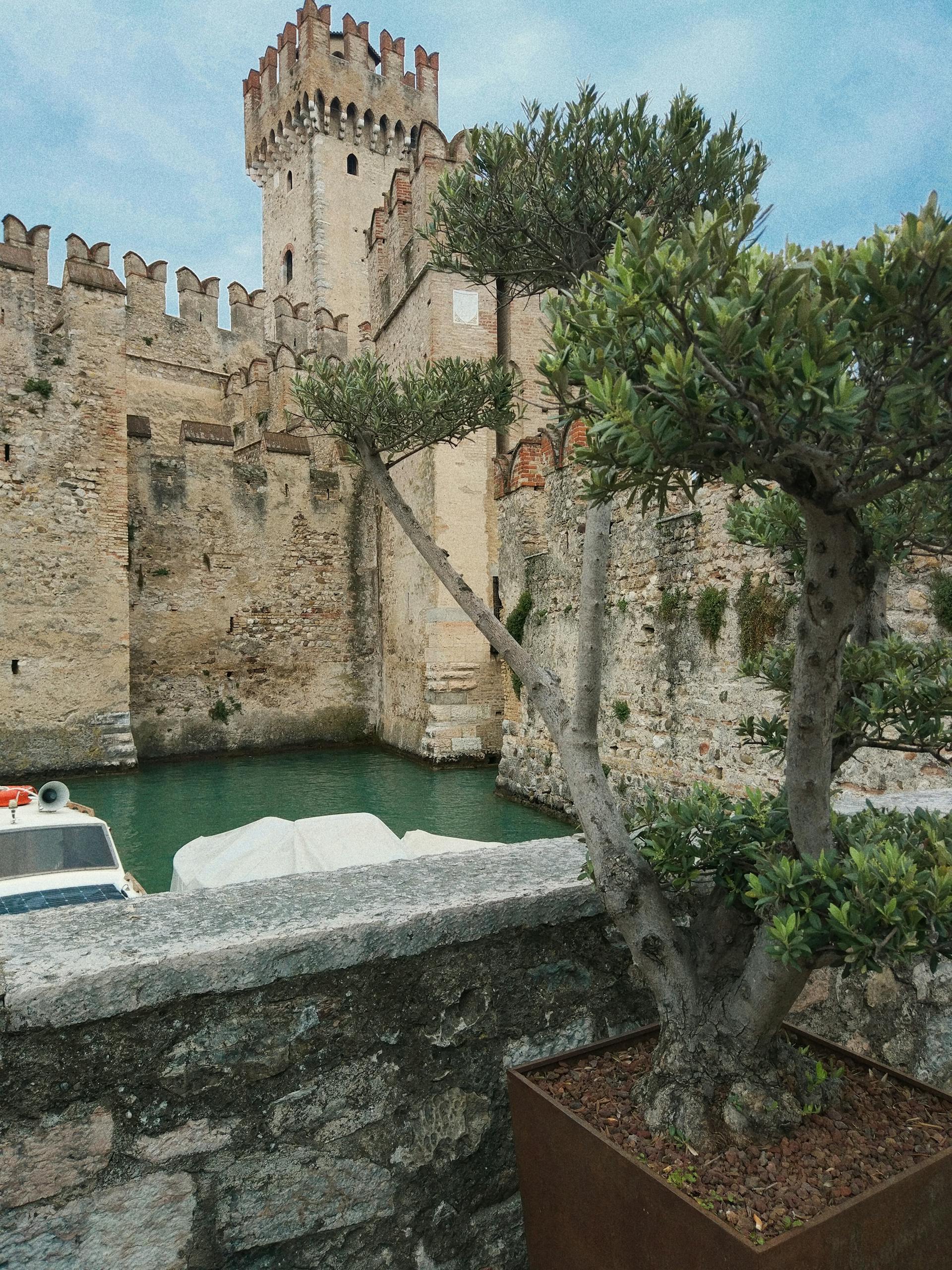
.jpg "In Killarney National Park, County Kerry of Ireland, Ross Castle is a tower house and keep from the 15th century that is situated on the edge of Lough Leane. It is the ancestral residence of the Clan O Donoghue Chiefs, who were afterwards connected to the Killarney Browne family. The Office of Publi")
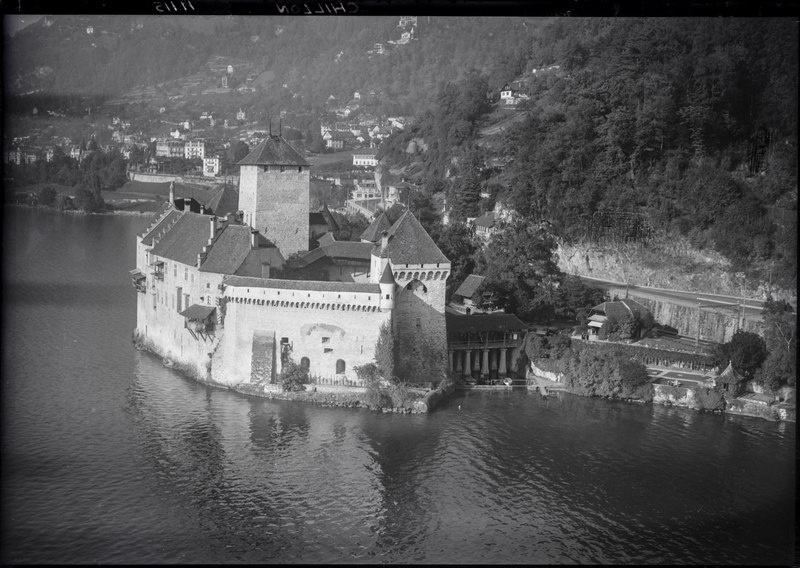
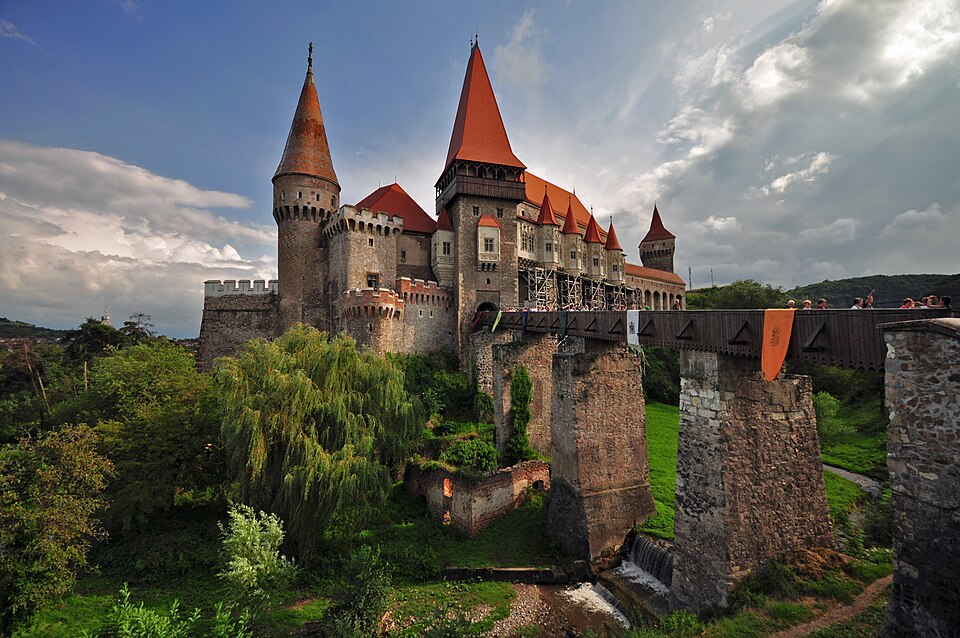
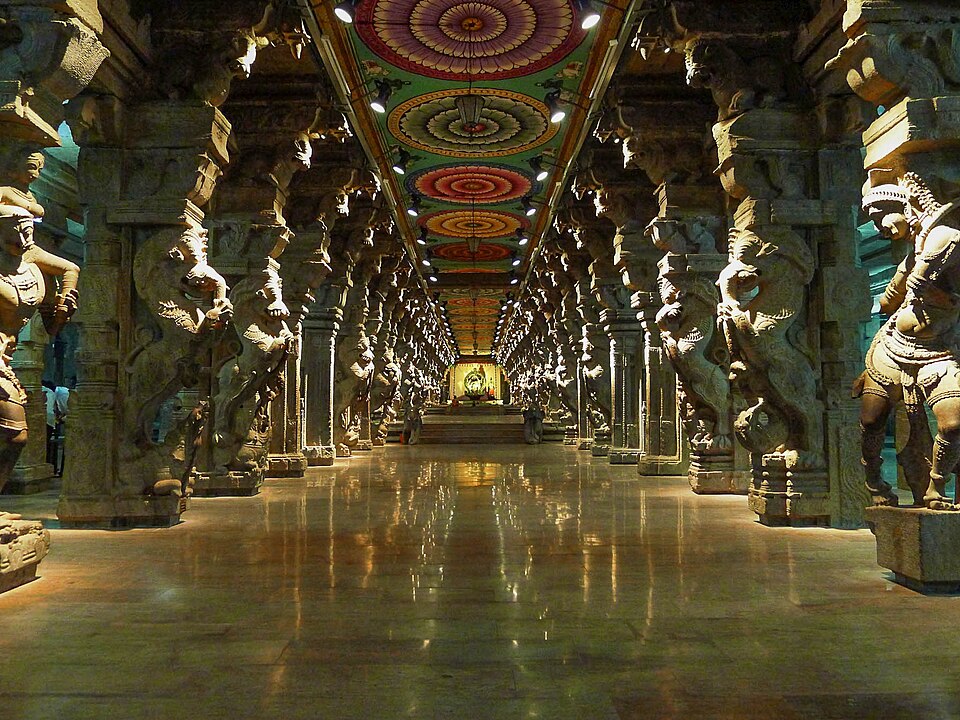
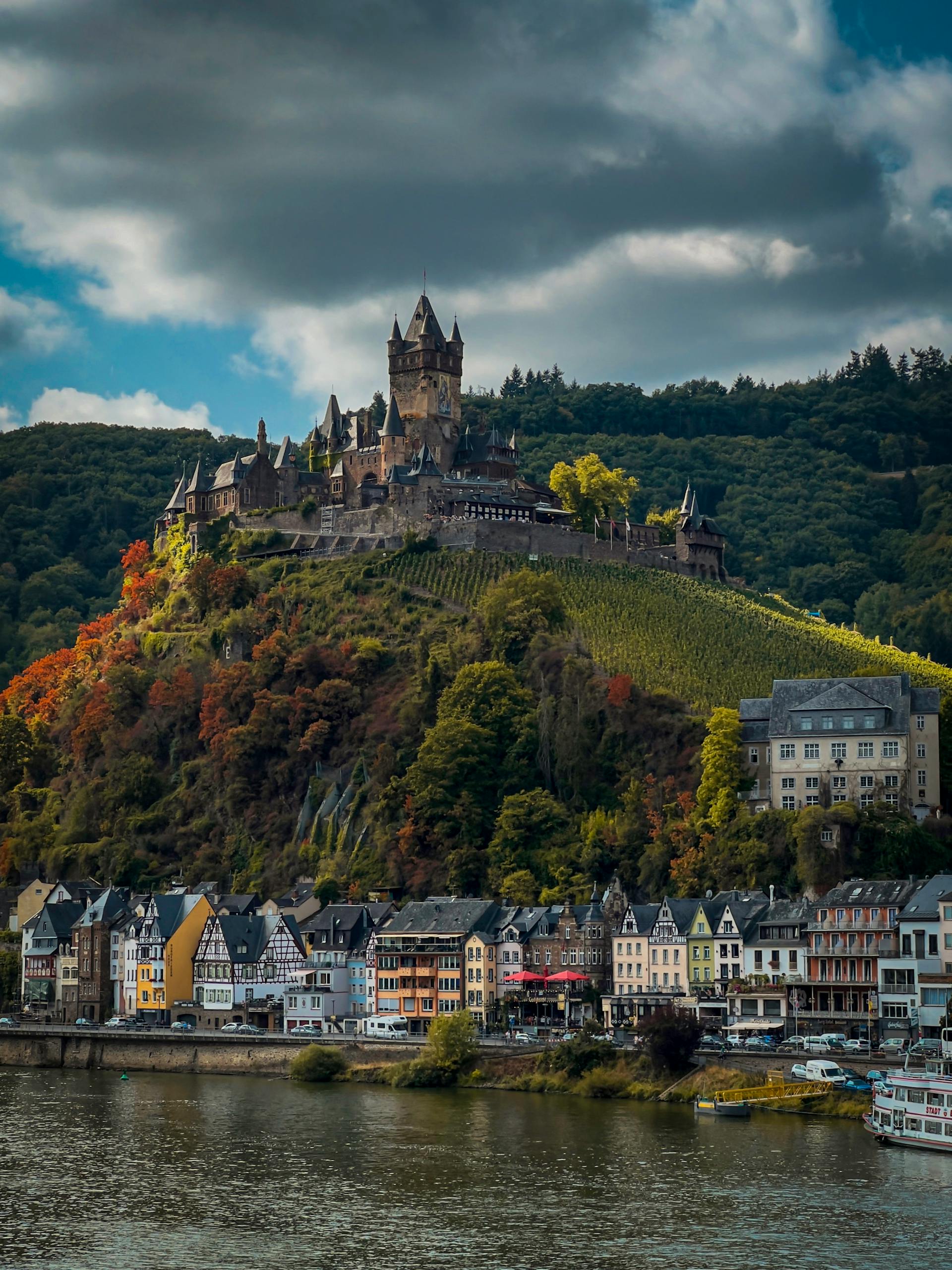
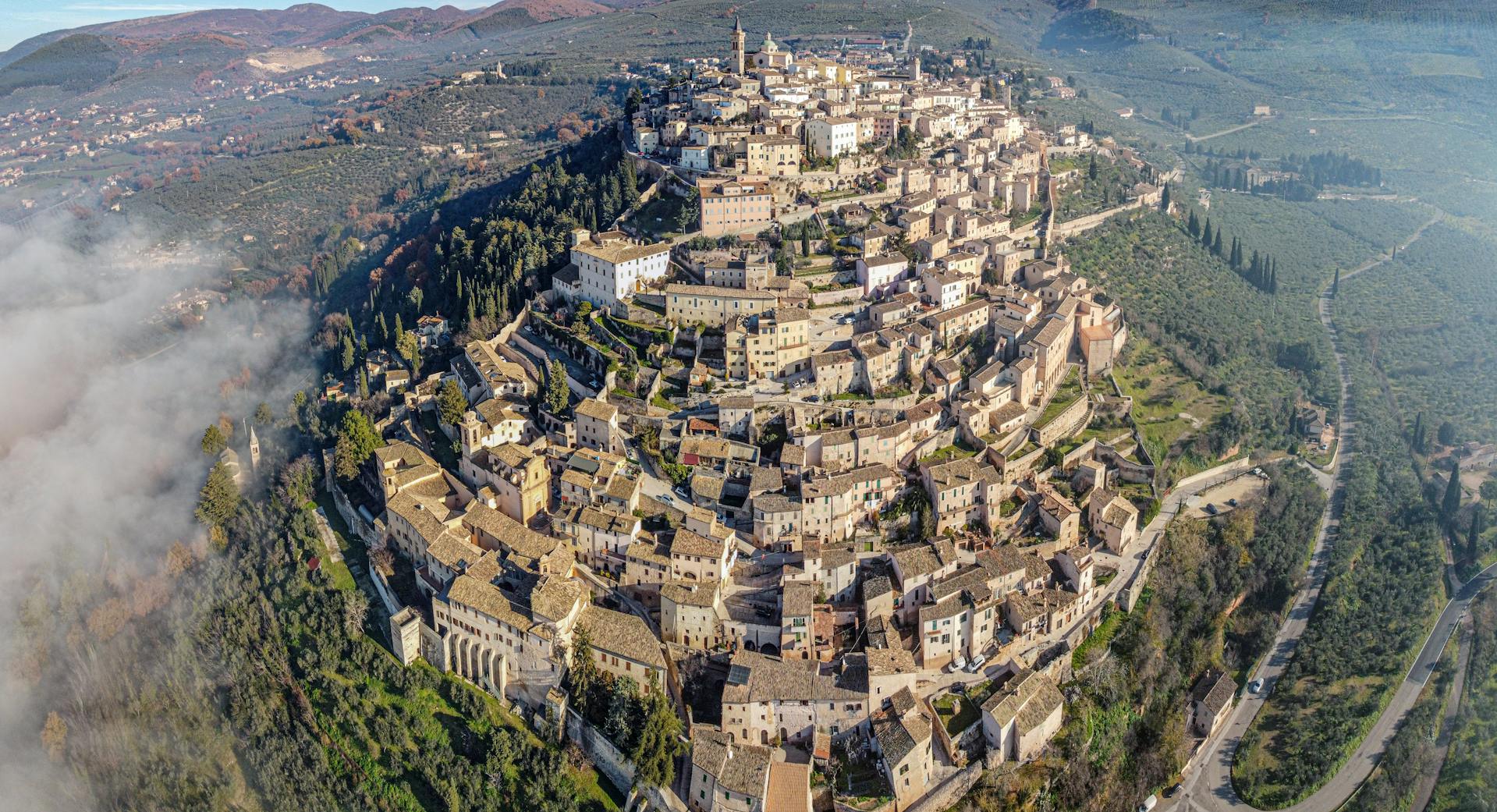
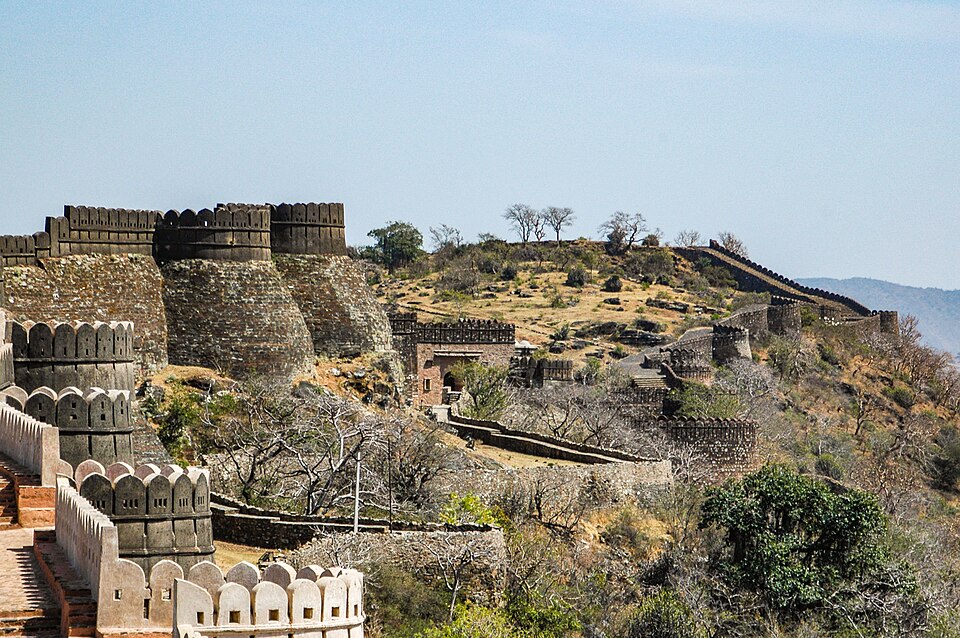
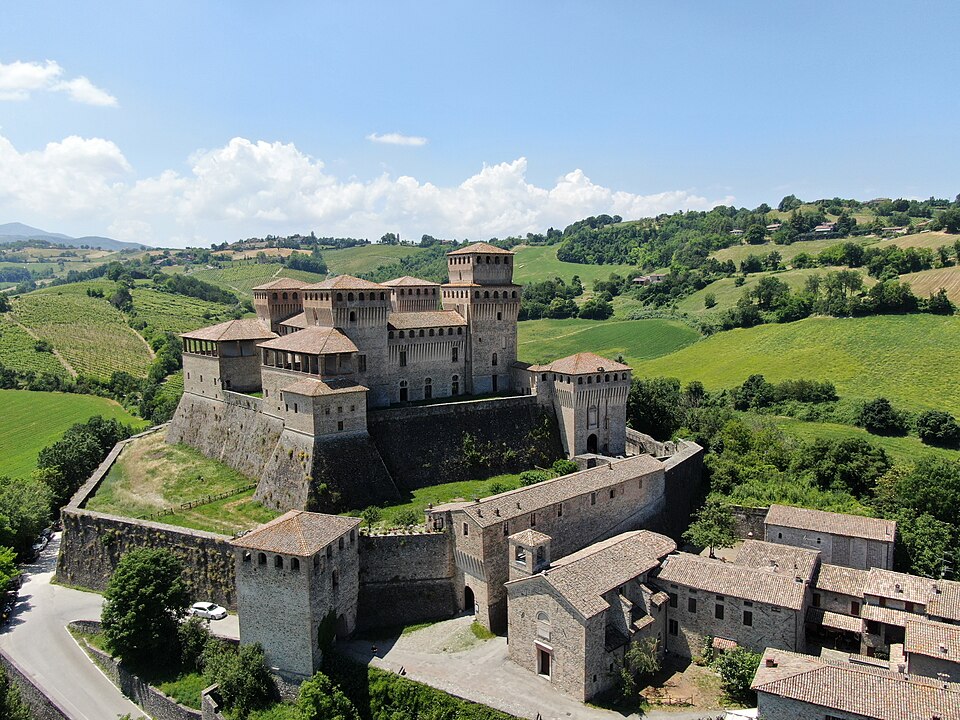
.jpg "The village of Abhaneri in the Indian state of Rajasthan is home to the stepwell known as Chand Baori. It is one of the deepest and biggest stepwells in India, reaching a depth of about 30 metres. According to legend, Raja Chanda, a local ruler of the Nikumbh dynasty, inspired the name Chand Baori.")
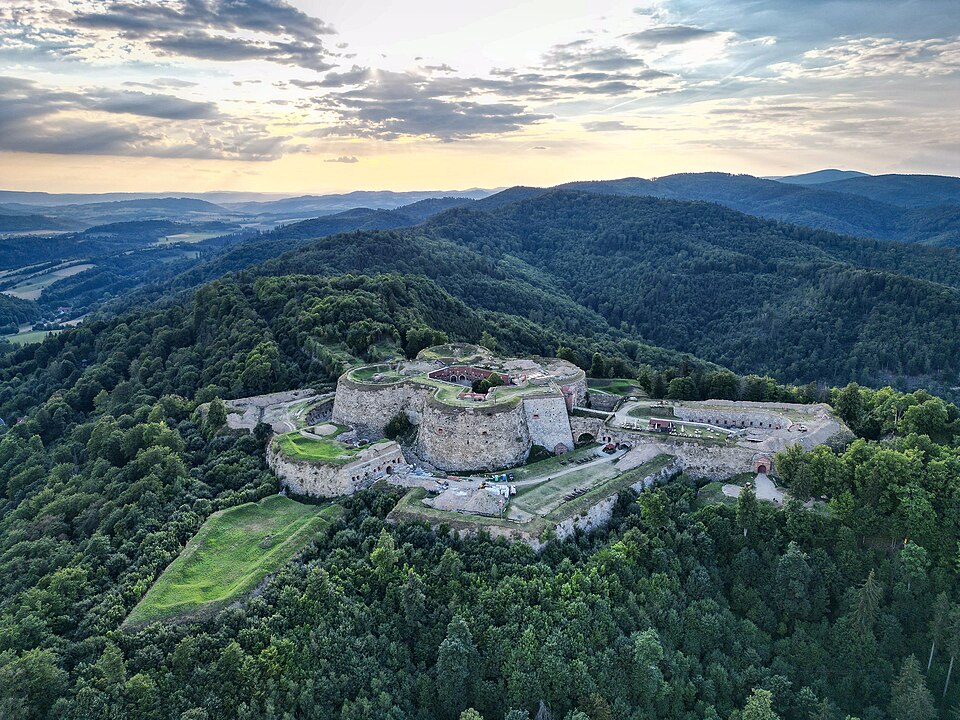
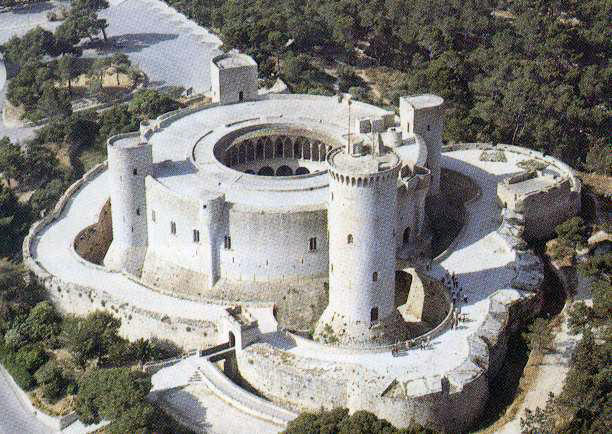
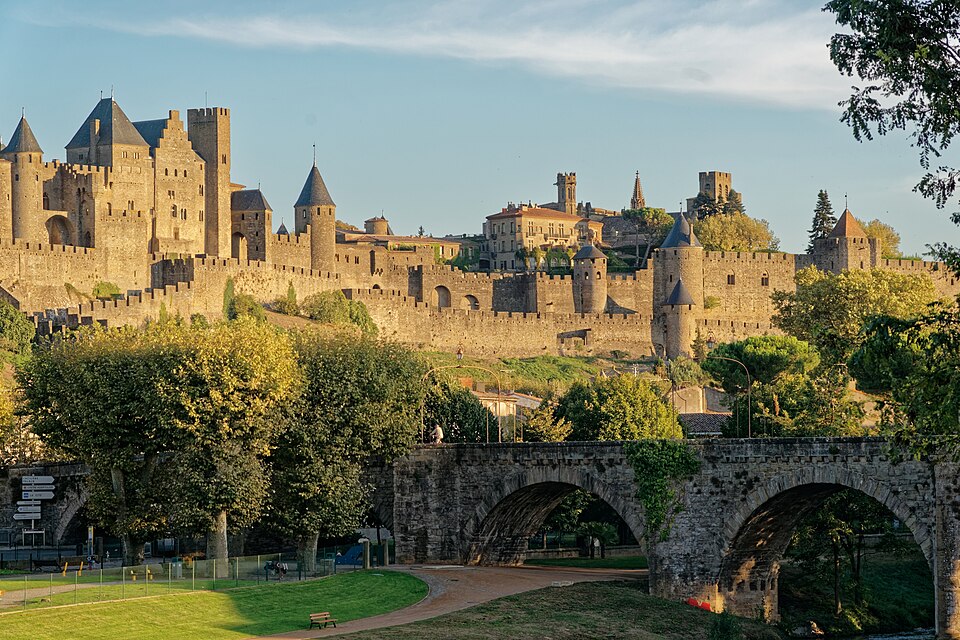
Click on Images for Information


@Heritage Places, Castles & Architecture
10-Nov-2025 06 am
10-Nov-2025 06 am
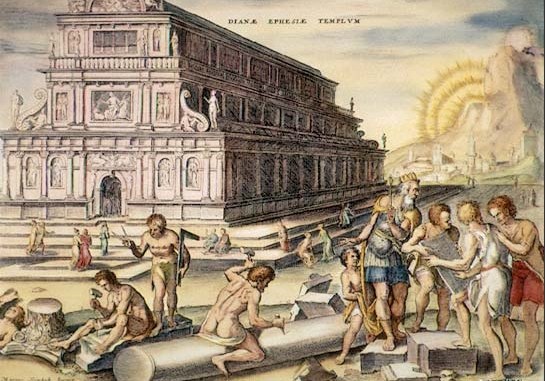
This article uses text information from the Wikipedia article -- Temple_of_Artemis -- [Wikipedia-Article-Link: https://en.wikipedia.org/wiki/Temple_of_Artemis ] which is released under the -- Creative Commons Attribution-ShareAlike 4.0 License – [License-Link: https://creativecommons.org/licenses/by-sa/4.0/deed.en ( https://en.wikipedia.org/wiki/Wikipedia:Text_of_the_Creative_Commons_Attribution-ShareAlike_4.0_International_License )] [List of Principal Authors (5 or less) of the Wikipedia-Article on the date of this Article being Created in this Website: - Haploidavey, Wetman, 12.75.128.46, 166.205.91.18, Dinoguy2] [Use the following Authorship tool to find out the author contributions:- https://xtools.wmcloud.org/authorship ] [The Current Article on this Website has been paraphrased from the above linked corresponding Wikipedia-Article and You may redistribute this, verbatim or modified, provided that you comply with the terms of the Creative Commons Attribution-ShareAlike 4.0 License] [License-Link: https://creativecommons.org/licenses/by-sa/4.0/deed.en ( https://en.wikipedia.org/wiki/Wikipedia:Text_of_the_Creative_Commons_Attribution-ShareAlike_4.0_International_License )]
This article also uses an image from the Wikipedia article -- Maarten_van_Heemskerck -- [Wikipedia-Article-Link: https://en.wikipedia.org/wiki/Maarten_van_Heemskerck ] [Image: From the 1572 Octo Mundi Miracula, the earliest known representation of the temple in modern times. The hand-colored engraving was by Martin Heemskerck.] [Wikipedia-Image-Link: https://en.wikipedia.org/wiki/File:Temple_of_Artemis.jpg ] [The Work (Image) is a faithful photographic reproduction of a two-dimensional, public domain work of art. This work is in the public domain in its country of origin and other countries and areas where the copyright term is the life of author plus 100 years or fewer. The Work is believed to be in Public Domain in the United States as well.] [Please Also Relate to Original Individual Text and Image URLs for More Usage Property and Sharing, Remixing or Attributing the Contents]
[Contents on Wikipedia is covered by – Disclaimer – Wikipedia-Disclaimer-Link: https://en.wikipedia.org/wiki/Wikipedia:General_disclaimer ] [Contents in this Website is also covered by Disclaimer linked at the bottom of the Page] [This website article means no intellectual appropriation by any way and only wishes to contribute in sharing of knowledge]
 Heritage Places, Castles & Architecture
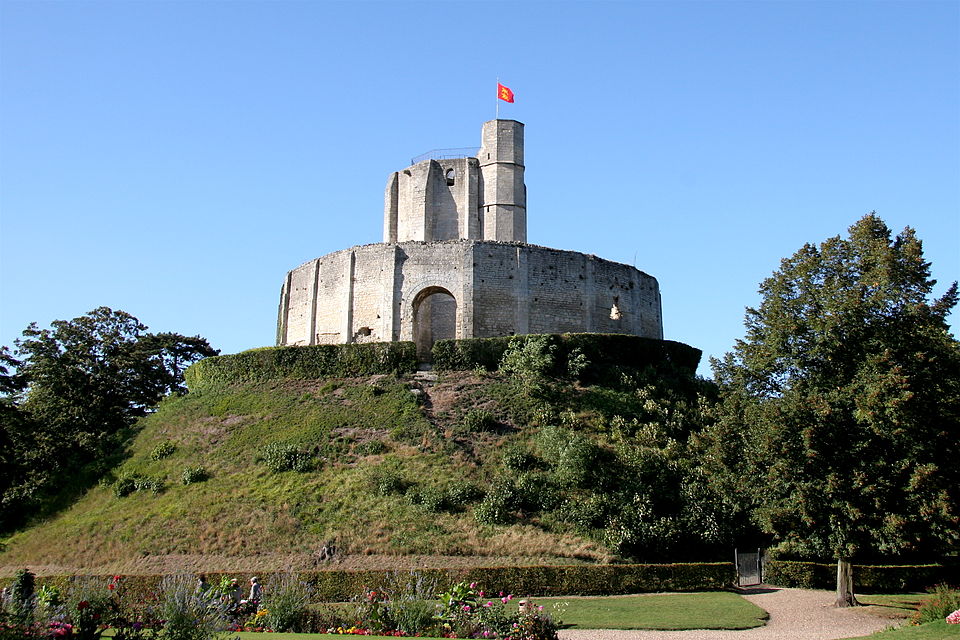

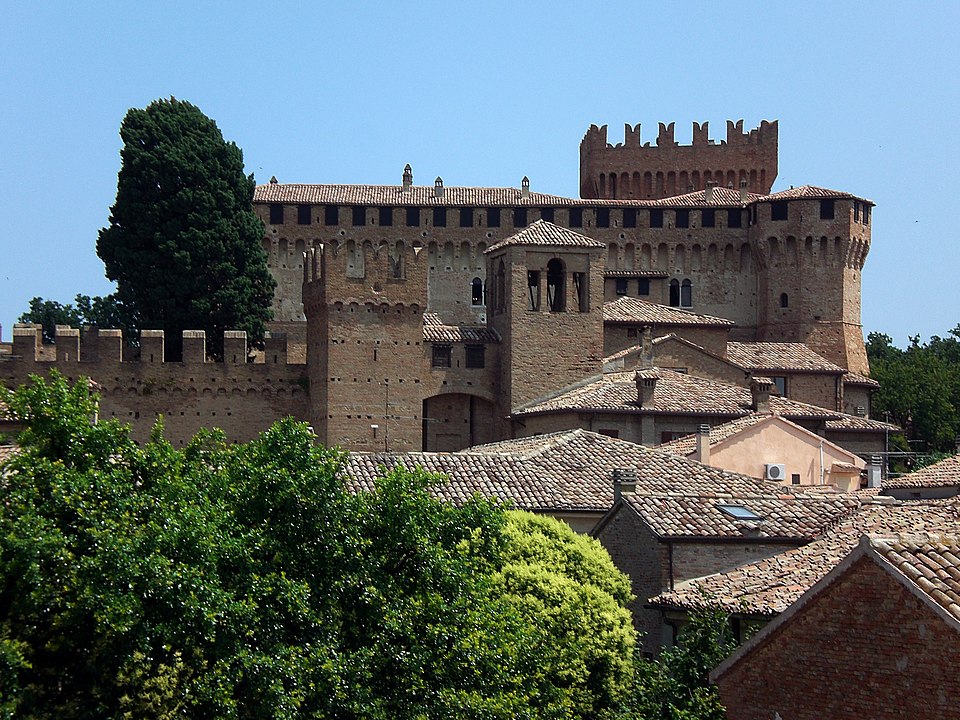
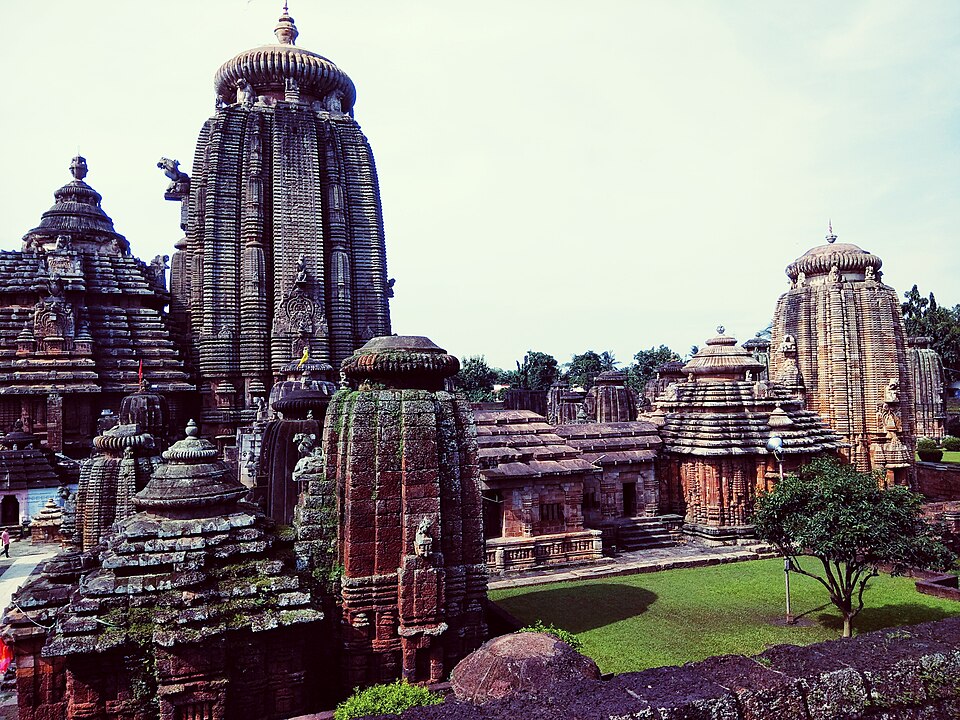
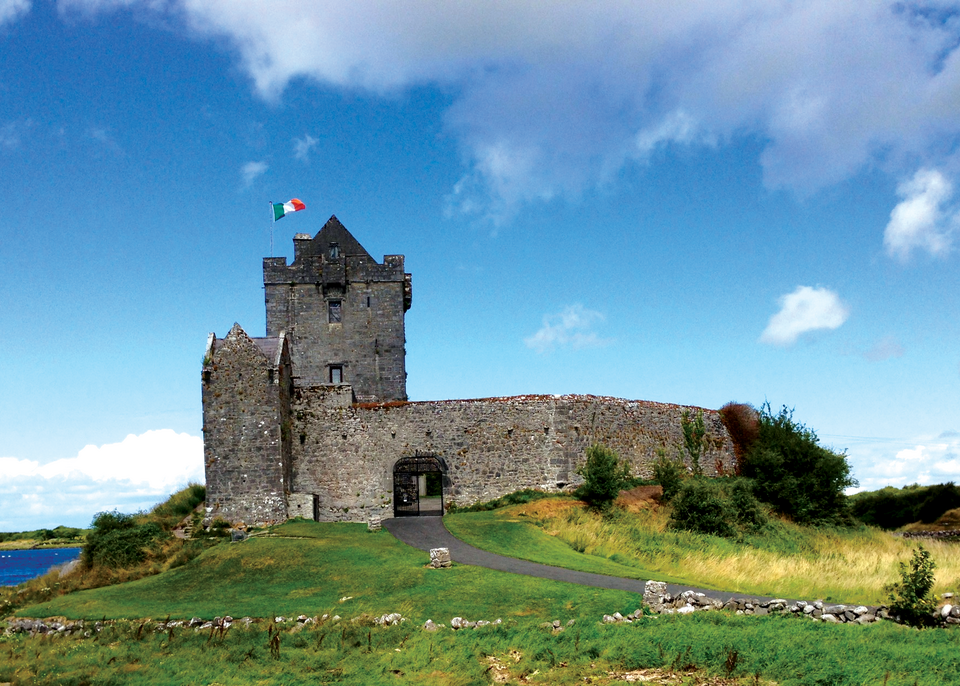
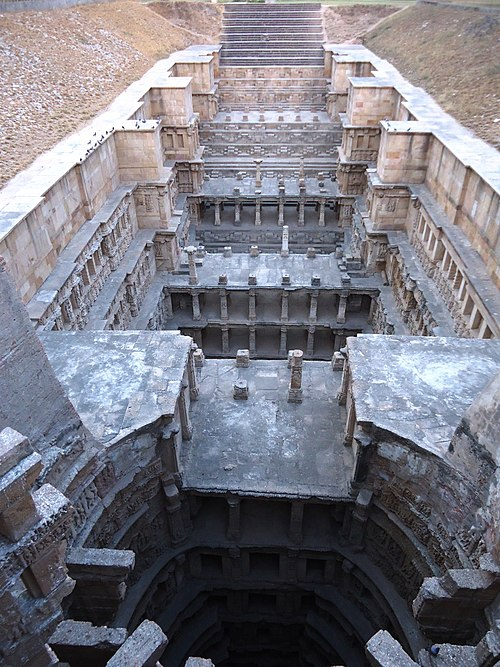
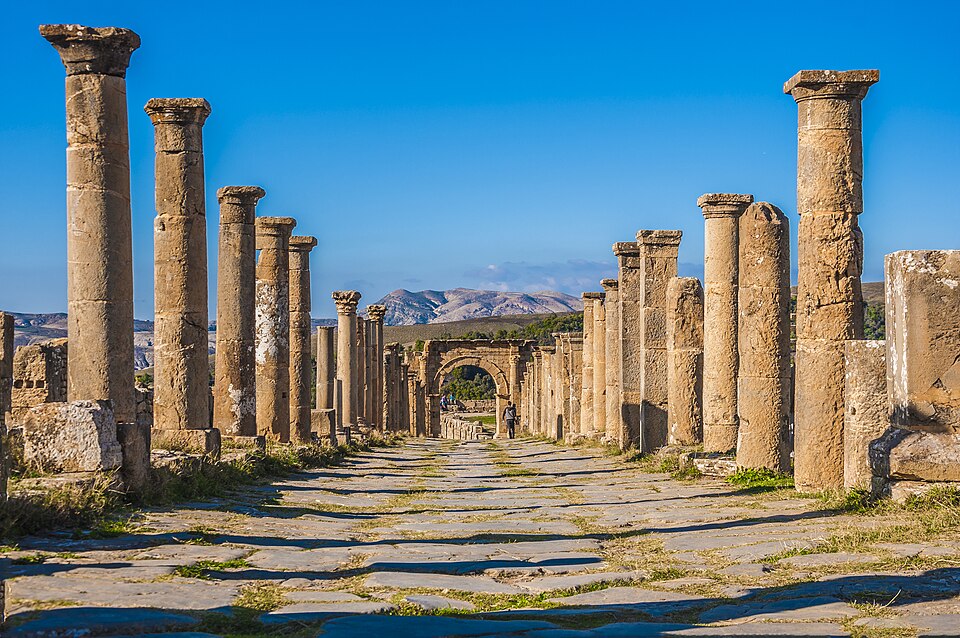
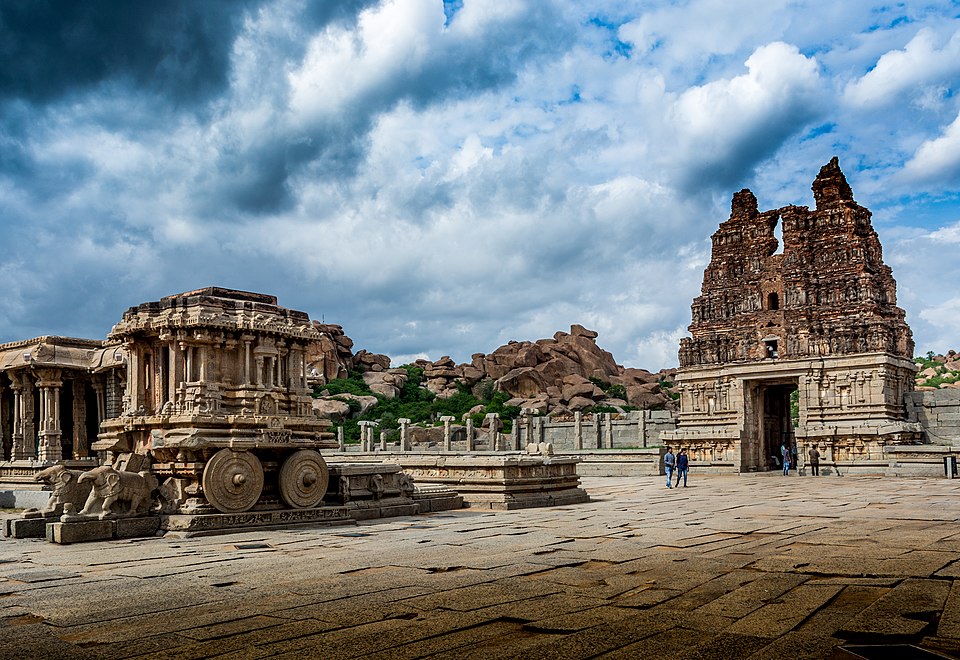
_(15584302832).jpg "In central Naples, Campania, Italy, in front of the city hall and Piazza Municipio, stands Castel Nuovo, also known as Maschio Angioino, a medieval fortress. First constructed in 1279, the castle is one of the most notable architectural attractions of the city due to its picturesque setting and mass")
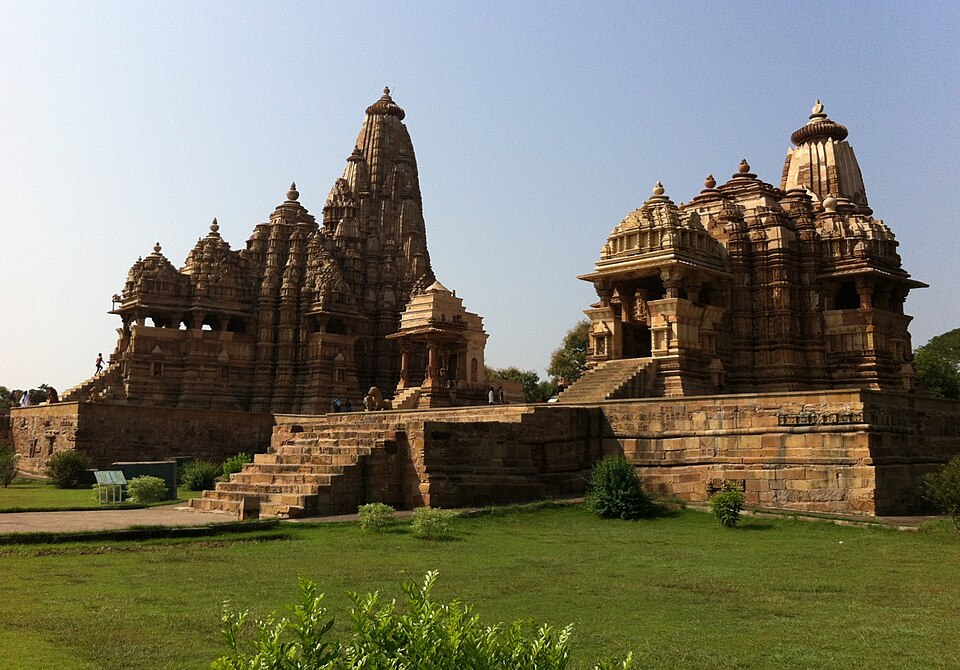
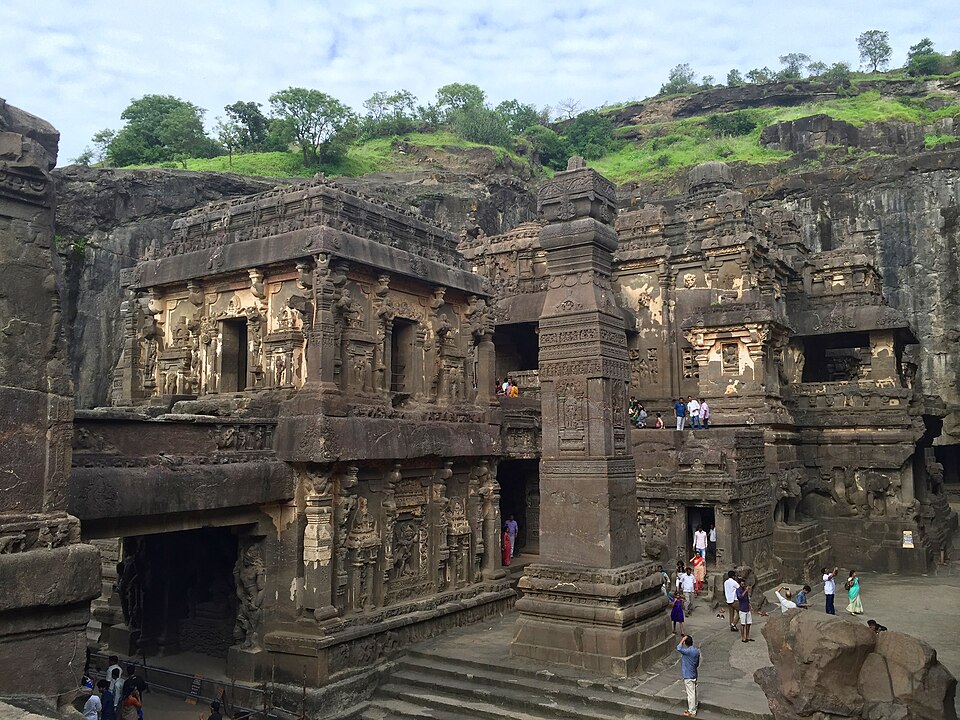
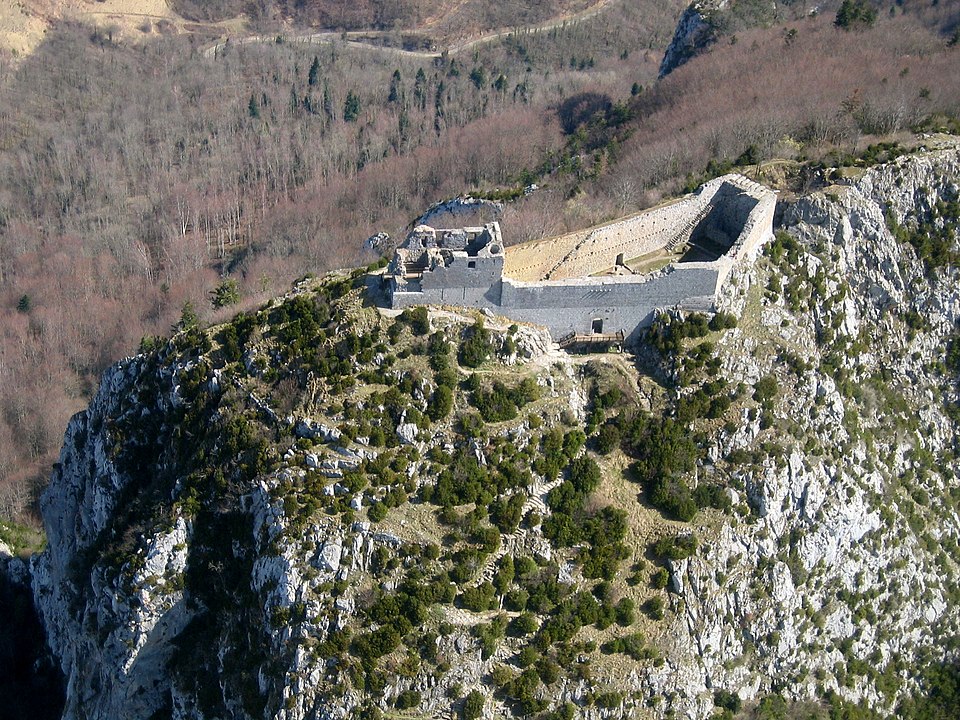
,_Wales_45.png "After 1282, quest of Edward I to capture north Wales included the construction of Beaumaris Castle in Beaumaris, Anglesey, Wales. The castle was likely originally planned to be built in 1284, but financial constraints caused this to be postponed, and construction did not start until 1295, after the")
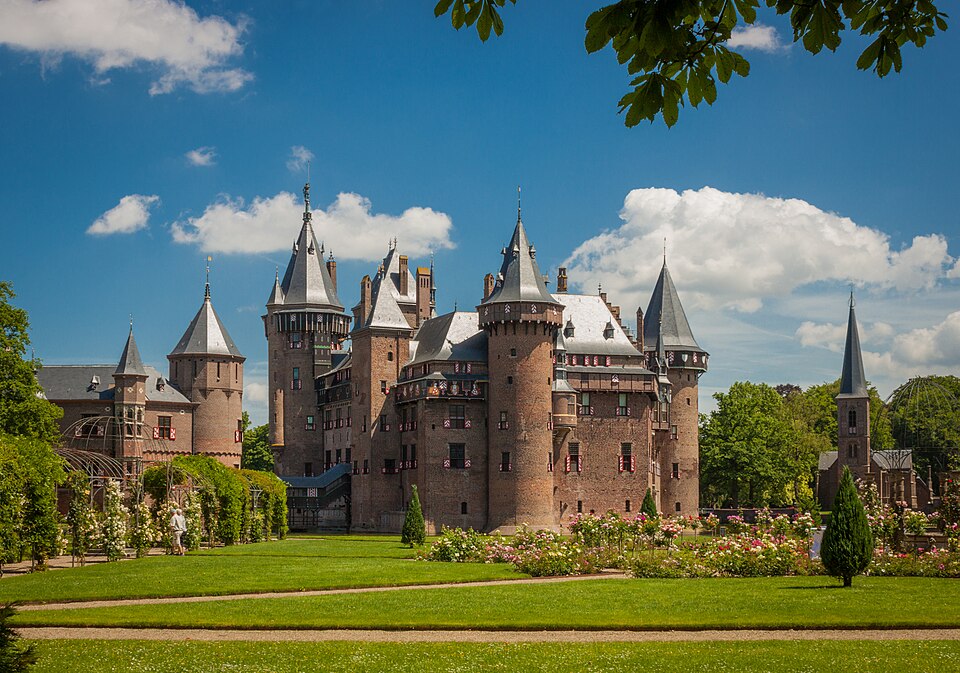
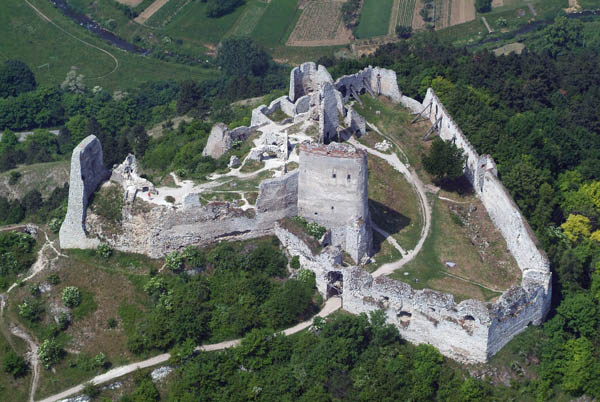
_jeste_lepe.jpg "Srebrenik fortification is a Bosnian and Herzegovina fortification close to the city of Srebrenik. Since November 2, 2004, it has been recognized as a national monument in Bosnia and Herzegovina. The stronghold is situated in the settlement of Gornji Srebrenik, approximately 5 kilometers from th")
Click on Images for Information
.jpg "The Heliodorus pillar is a stone column located in Besnagar, Madhya Pradesh, in central India. It was constructed in 113 BCE. Heliodorus dubbed the pillar the Garuda-standard, after the god Garuda. The pillar bears the common name Heliodorus, who served as an ambassador from Taxila to the Indian emp")
_(14465165685).jpg "Three Hoysala-style temples in South India are part of the Sacred Ensembles of the Hoysalas, which have been designated as World Heritage Sites. The Hoysala Empire constructed these temples in Somanathapura, Belur, and Halebidu in the twelfth and thirteenth centuries. In 2023, the three temples know")