 Historical Events
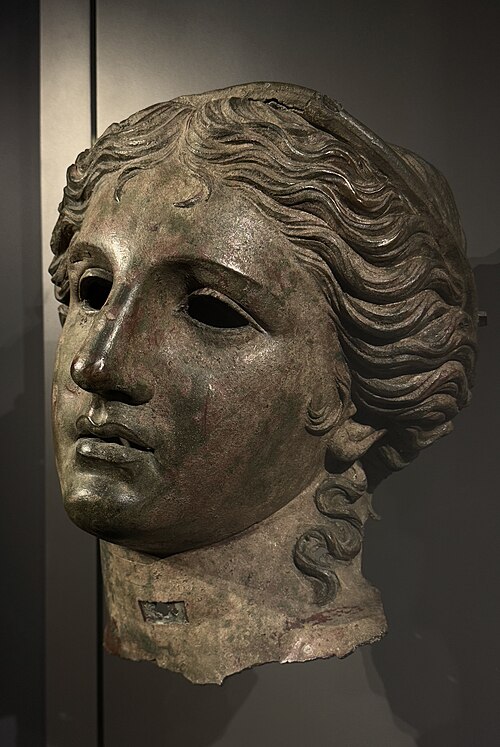

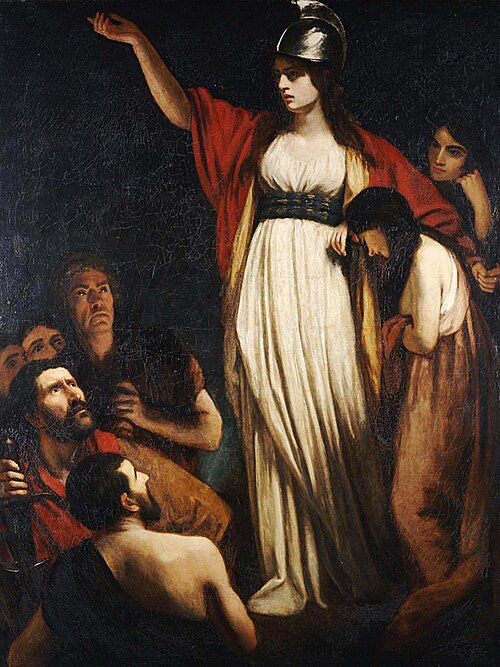
.jpg "Roxana, also referred to as Roxanne, Roxanna, and Roxane, was a princess of Bactria or Sogdiana who became the wife of Alexander the Great following his invasion of Persia and the subsequent conquest of the Achaemenid Empire. She was the daughter of Oxyartes, a nobleman and satrap of Bactria and Sog")
Click on Images for Information


@Historical Events
09-Jul-2026 11 am
09-Jul-2026 11 am
This article uses text information from the Wikipedia article – Aramazd – [Wikipedia-Article-Link: https://en.wikipedia.org/wiki/Aramazd ] which is released under the -- Creative Commons Attribution-ShareAlike 4.0 License – [License-Link: https://creativecommons.org/licenses/by-sa/4.0/deed.en ( https://en.wikipedia.org/wiki/Wikipedia:Text_of_the_Creative_Commons_Attribution-ShareAlike_4.0_International_License )] and additional terms may apply. [List of Principal Authors (5 or less) of the Wikipedia-Article on the date of this Article being Created in this Website: - HistoryofIran, Ian. thomson, Hayq11, Nakhararakan, LouisAragon] [Use the following Authorship tool to find out the author contributions:- https://xtools.wmcloud.org/authorship ] [The Current Article on this Website has been paraphrased from the above linked corresponding Wikipedia-Article and You may redistribute this, verbatim or modified, provided that you comply with the terms of the Creative Commons Attribution-ShareAlike 4.0 License] [License-Link: https://creativecommons.org/licenses/by-sa/4.0/deed.en ( https://en.wikipedia.org/wiki/Wikipedia:Text_of_the_Creative_Commons_Attribution-ShareAlike_4.0_International_License )]
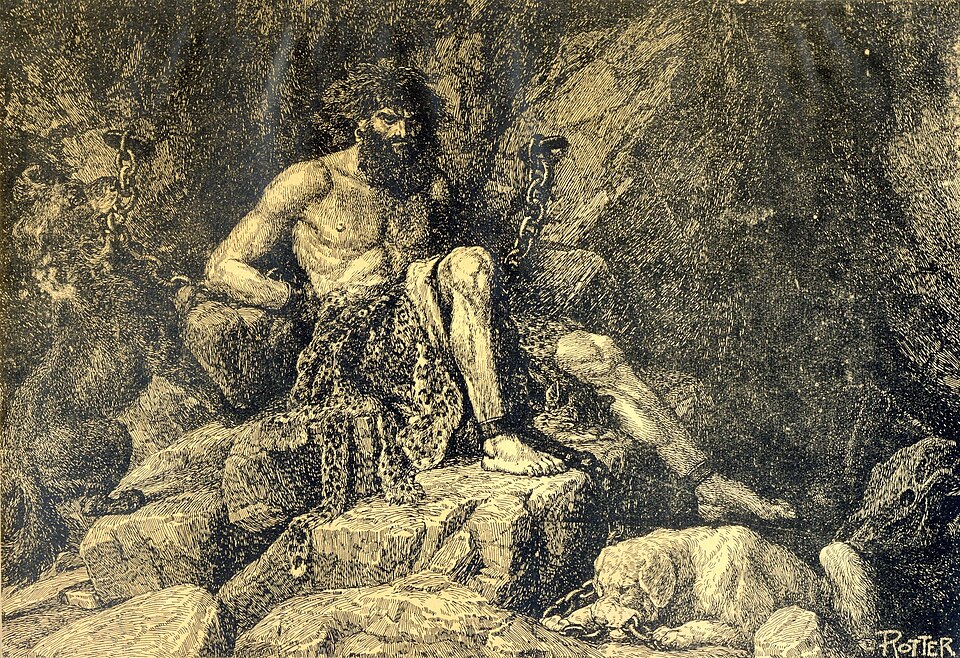
This article also uses an image from the Wikipedia article – Aramazd -- [Wikipedia-Article-Link : https://en.wikipedia.org/wiki/Aramazd ] [Image: Painting of Aramazd (1939) by Josef Rotter; Wikipedia-Image-Author : Magazine in Yerevan] [Wikipedia-Image-Link: https://en.wikipedia.org/wiki/File:Aramazd_painting_by_Josef_Roter.jpg ] [Image Availed Under Creative Commons Attribution-Share Alike 4.0 International license;] [License-Link: https://creativecommons.org/licenses/by-sa/4.0/deed.en ] [You may copy, distribute and transmit the work (image) or share (alike) the work (image), provided that you comply with the terms of the Creative Commons Attribution-Share Alike 4.0 International license or other compatible license in distribution] [License-Link: https://creativecommons.org/licenses/by-sa/4.0/deed.en ] [Please Also Relate to Original Individual Text and Image URLs for More Usage Property and Sharing, Remixing or Attributing the Contents] [Contents on Wikipedia is covered by -- Disclaimer – Wikipedia-Disclaimer-Link: https://en.wikipedia.org/wiki/Wikipedia:General_disclaimer ] [Contents in this Website is also covered by Disclaimer linked at the bottom of the Page] [This website article means no intellectual appropriation by any way and only wishes to contribute in sharing of knowledge]
 Historical Events
Click on Images for Information
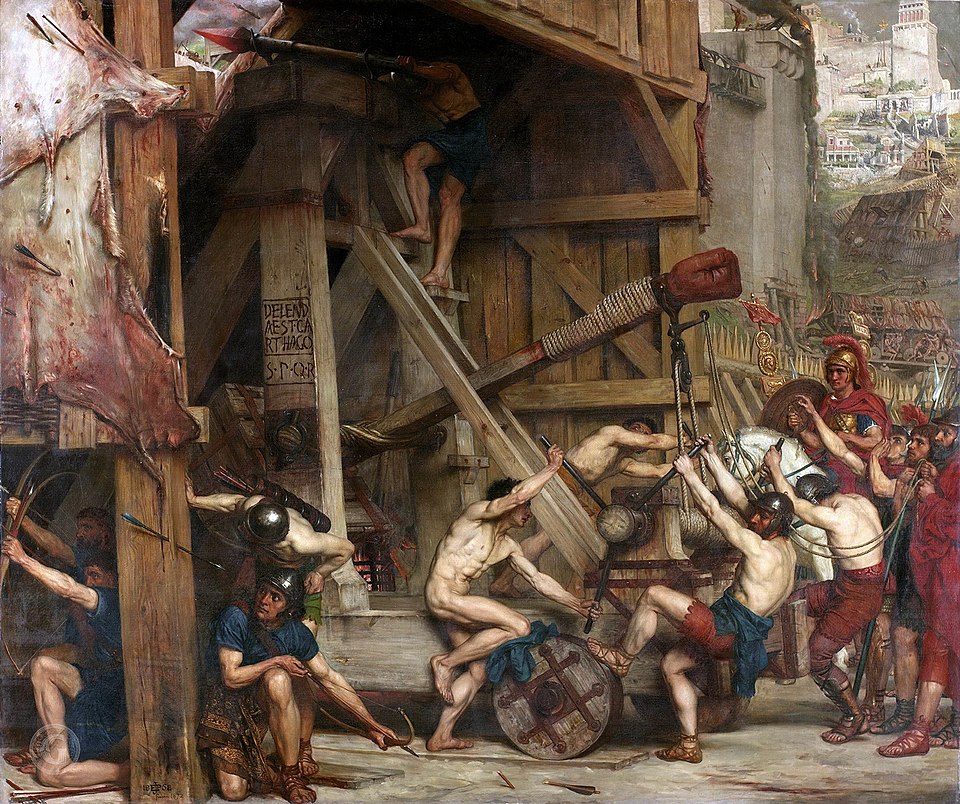
_vector.svg.png "The ballista, sometimes known as the ballistae (plural), was a historical missile weapon that fired either bolts or stones at a distant target. It was derived from older Greek weapons, but its mechanics were different, using two levers with torsion springs in place of a tension prod, such as the bow")
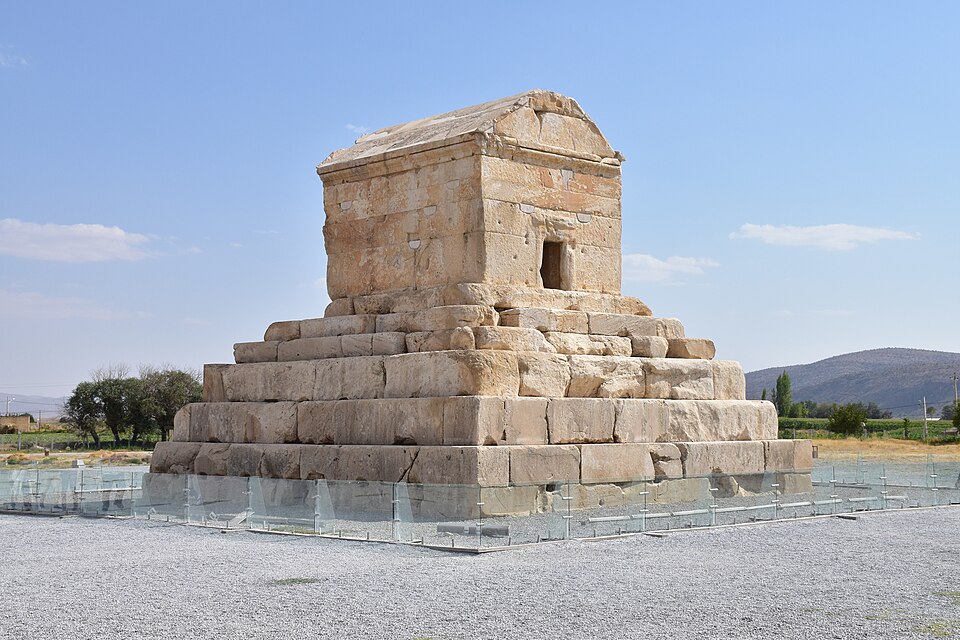
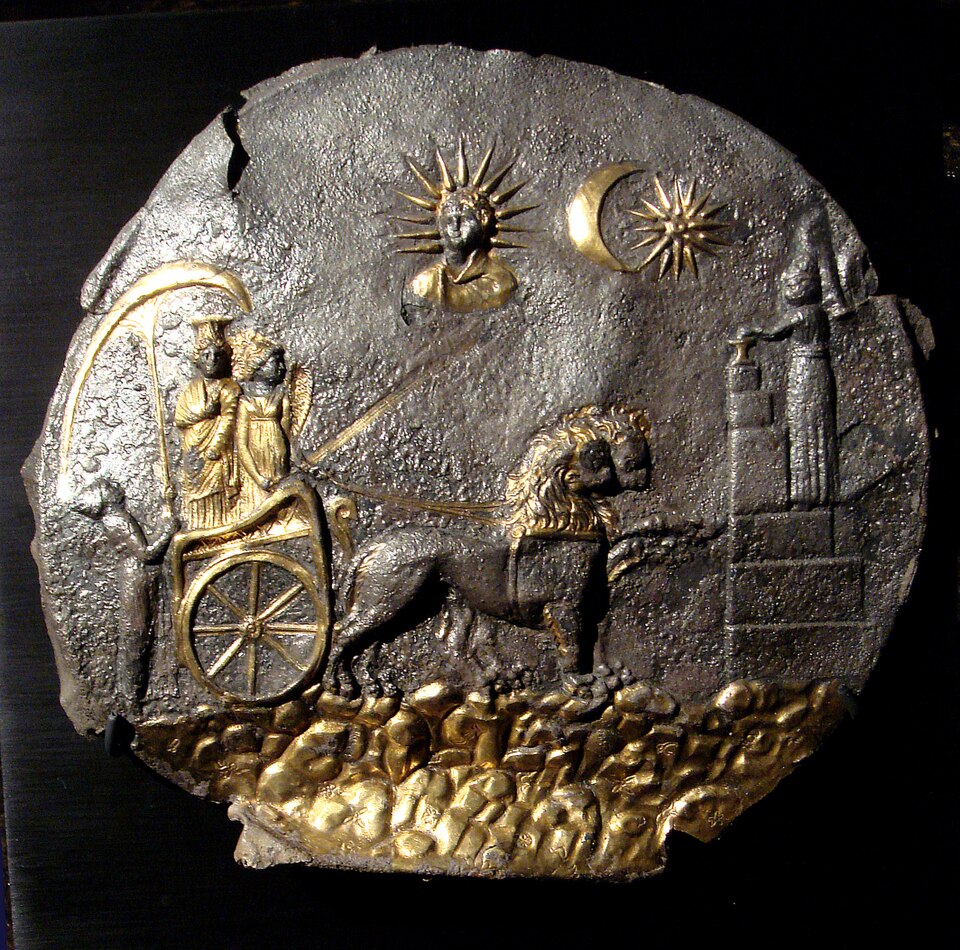
.jpg "Originating in Persia, the cataphract was a type of armoured heavy cavalry that was used in ancient combat across Northern Africa and Eurasia. In the past, the cataphract was a highly armoured horseman who usually carried a kontos as his main weapon. Both the rider and the steed were nearly entirely")
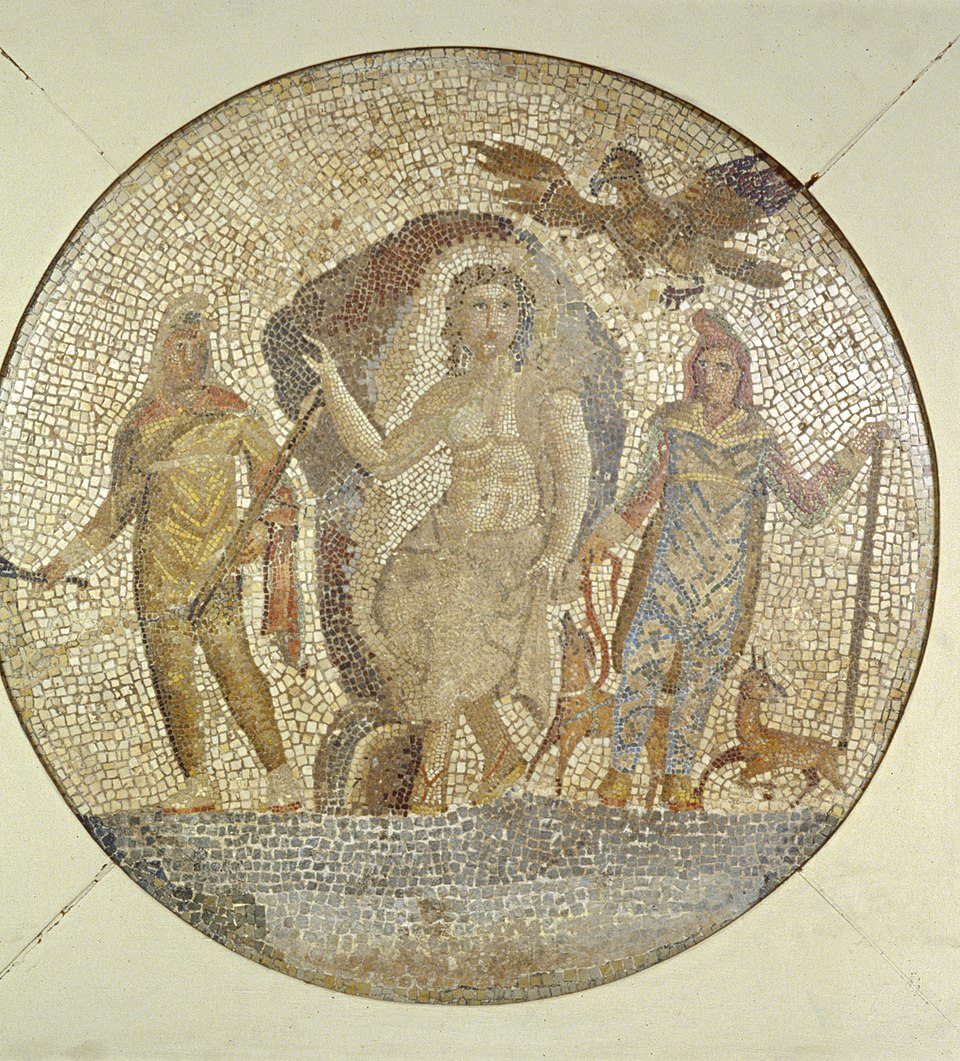
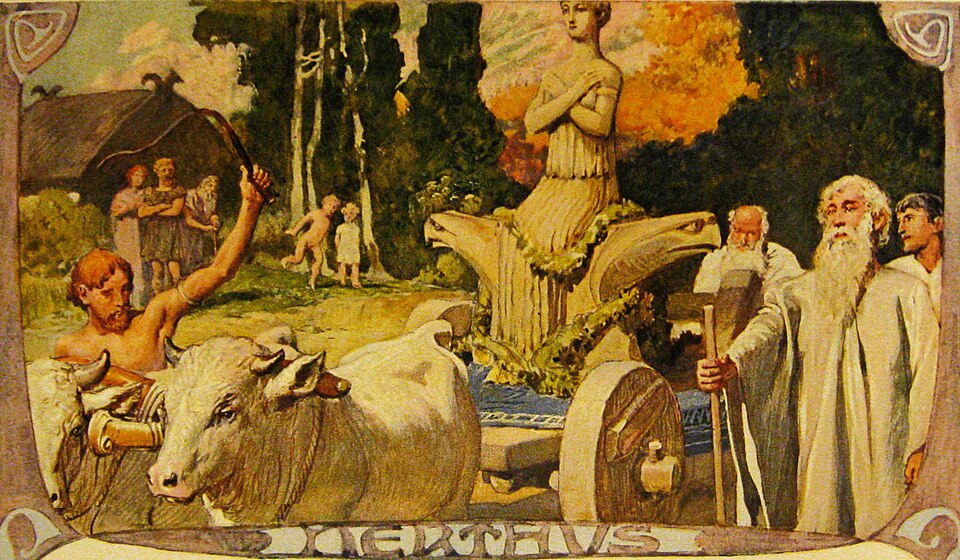
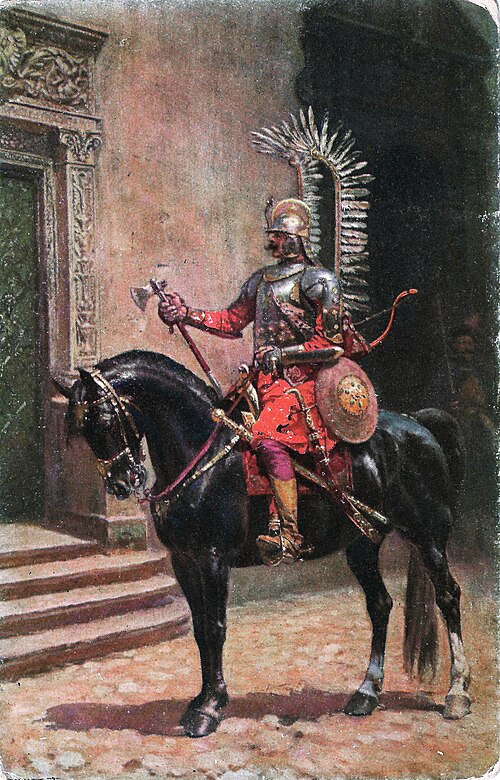
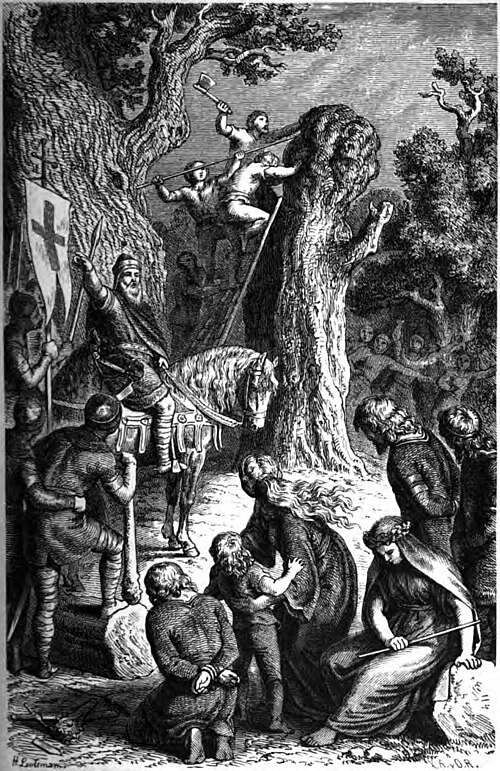
.jpg "The Wendish soldiers of the temple-fortress of Arkona and the Danish and Pommeranian forces under Valdemar I engaged in a brief eight-day siege known as the Siege of Arkona. The Danish forces emerged victorious, and the remainder of Rügen submitted as a result. The chronicler Saxo Grammaticus claim")