.jpg "Mythology, Legends, Folklore and Mysterious Things") Mythology, Legends, Folklore and Mysterious Things
Mythology, Legends, Folklore and Mysterious Things
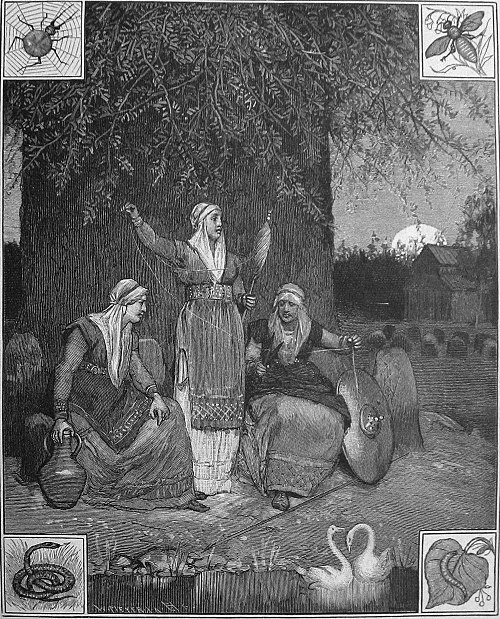
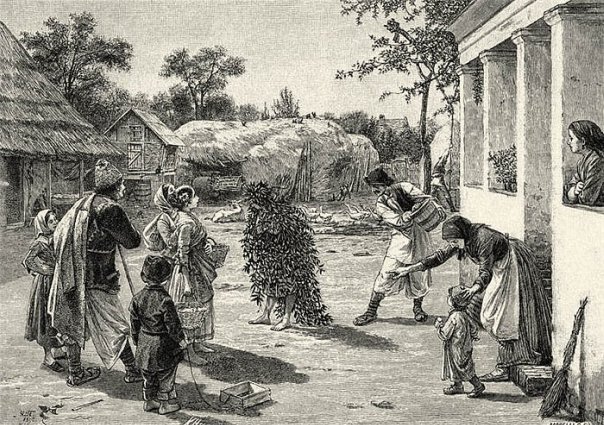
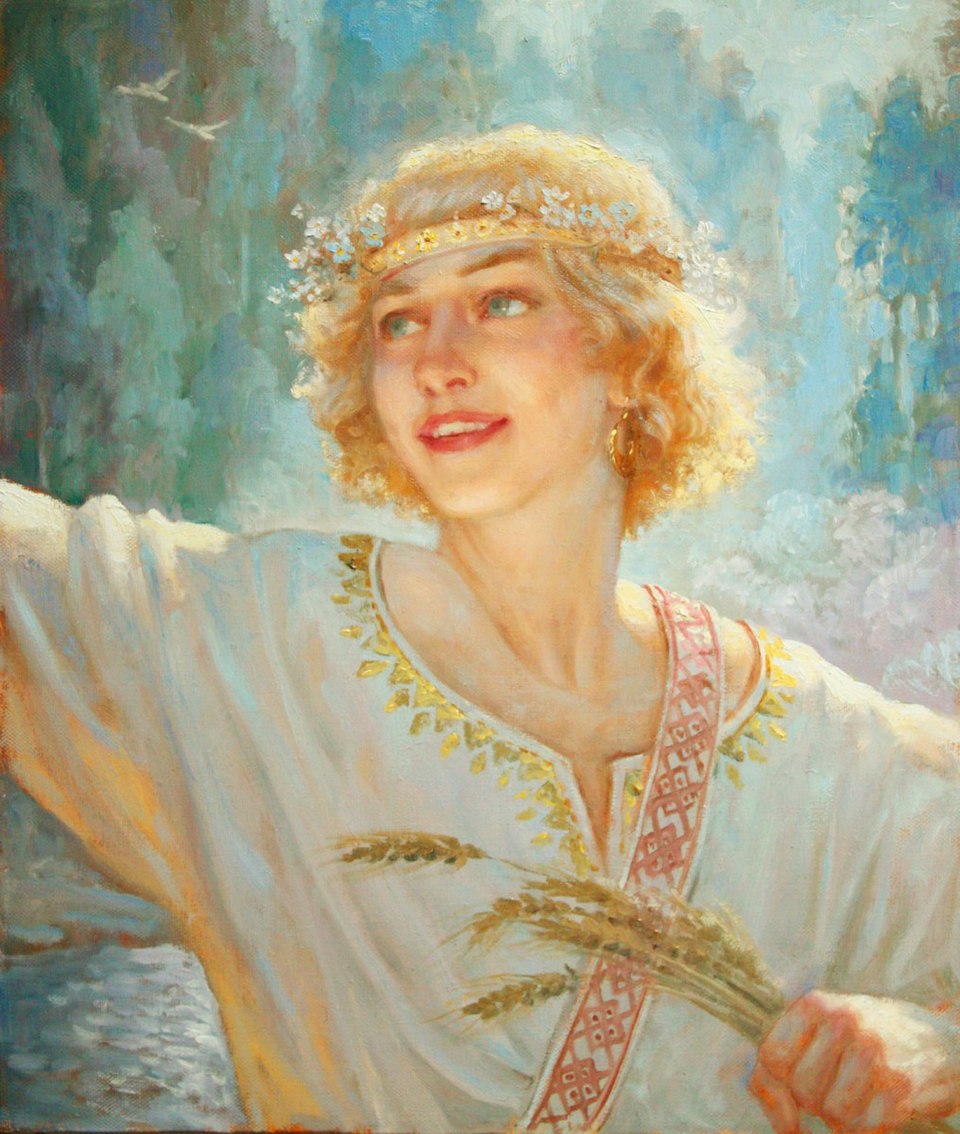
.jpg "In Finnish mythology, Ukko, a counterpart to Uku in Estonian mythology, is the deity of the sky, weather, harvest, and thunder. The short form of the name Ukko is Ukkonen, which is the Finnish word for thunder. It is contested by academics whether status of Ukko as the most important god in Finnish")
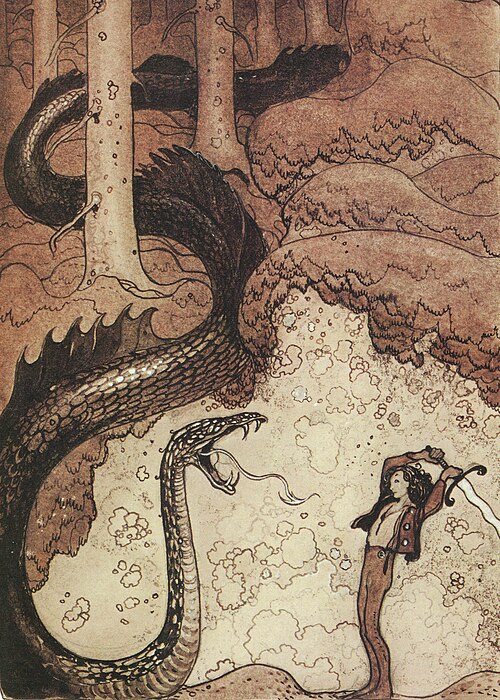
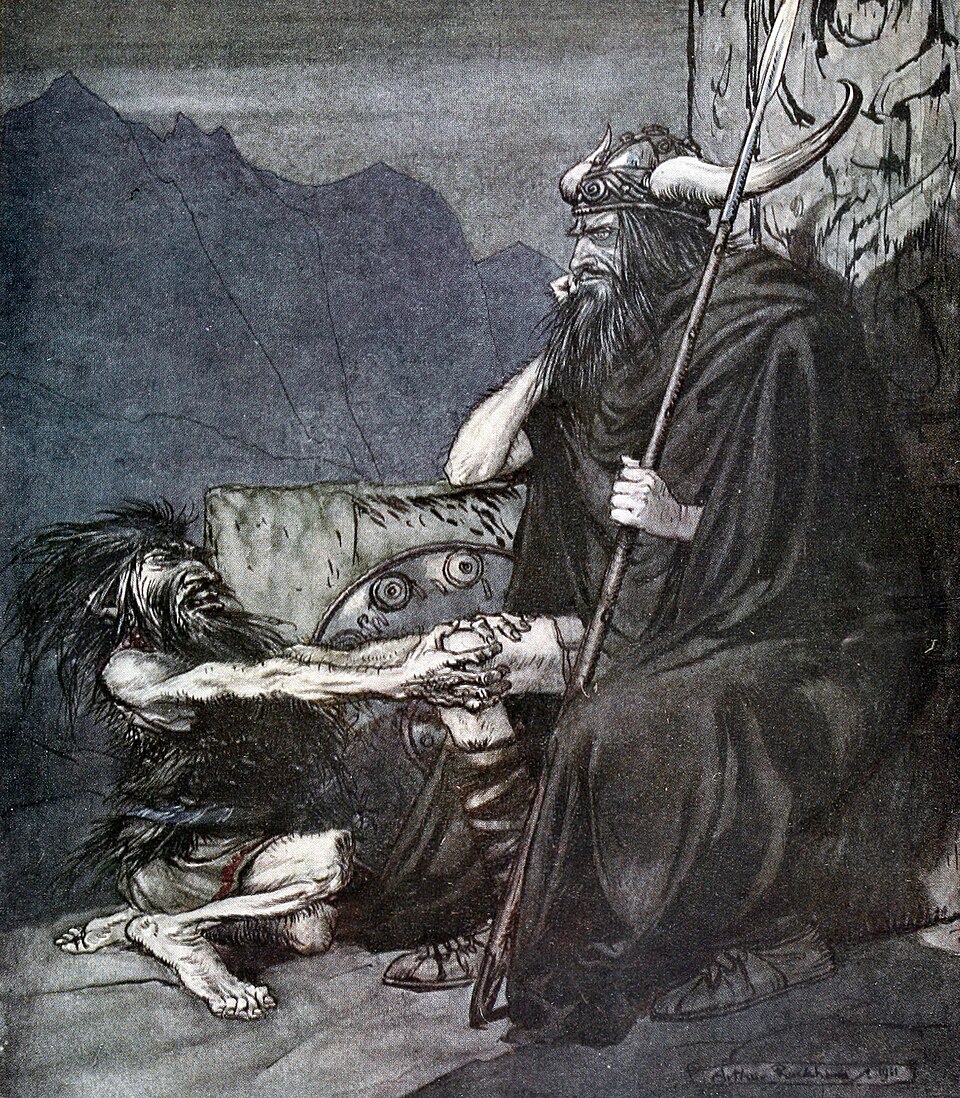
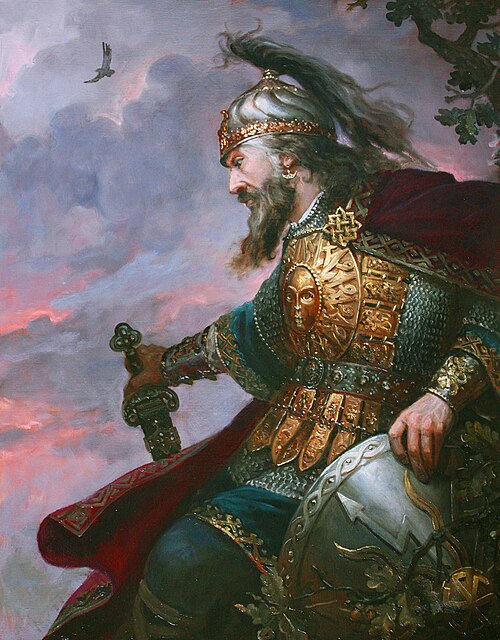
_-_1909.jpg "The most revered god in the Baltic religion after Dievas was Perkūnas, the depicts the thunder god. He is described as the deity of the sky, thunder, lightning, storms, rain, fire, war, law, order, fertility, mountains, and oak trees in both Lithuanian and Latvian mythology. The majority of the kno")
Click on Images for Information


@Mythology, Legends, Folklore and Mysterious Things
06-Apr-2026 04 am
06-Apr-2026 04 am
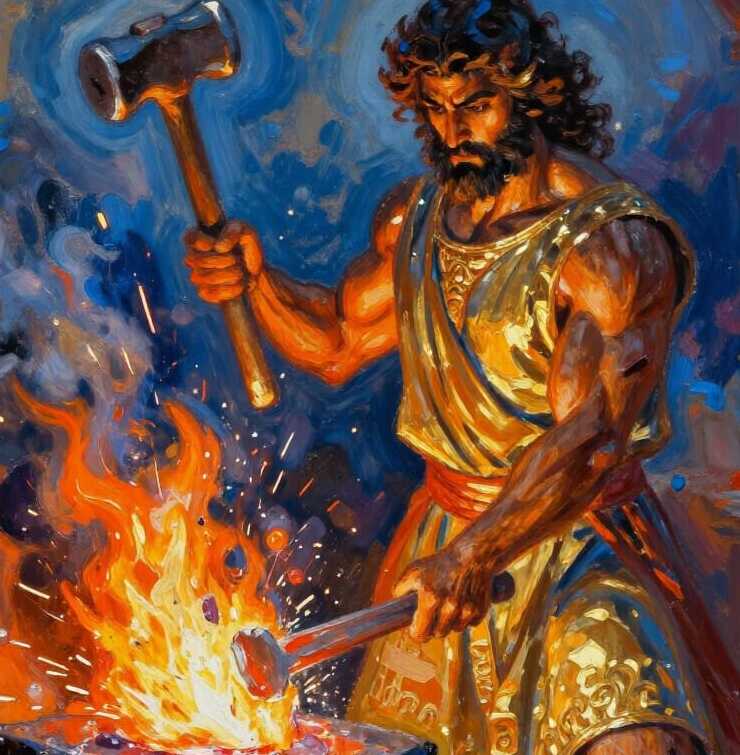
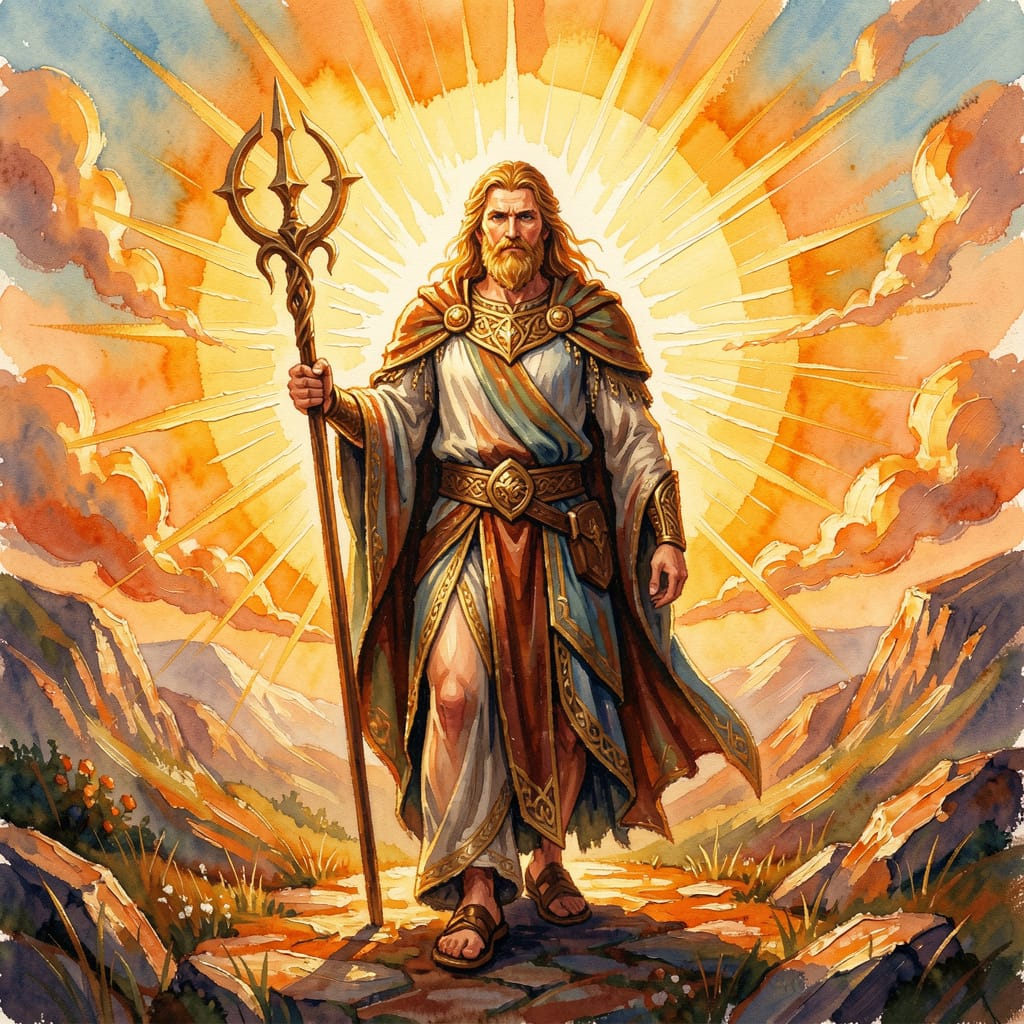
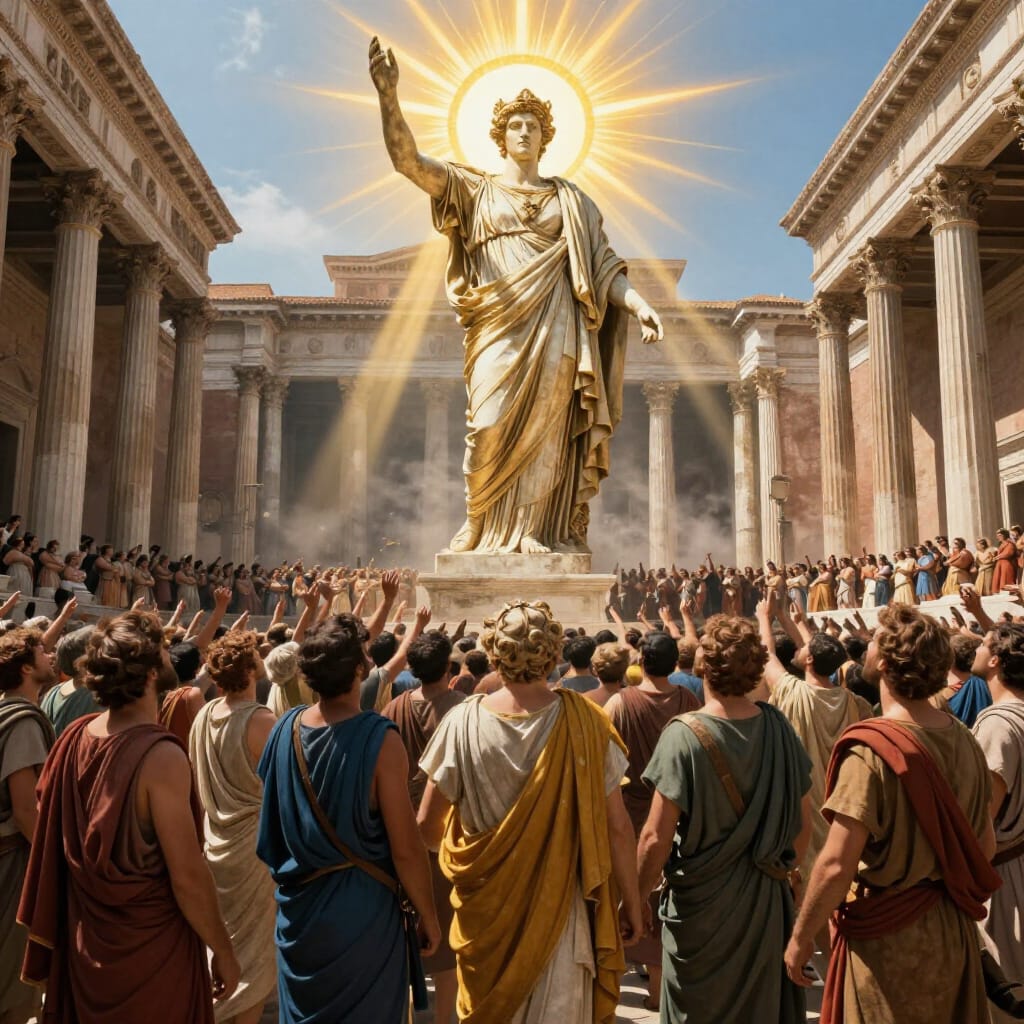
[Text-Information-Source: Myths & Legends of the Celtic Race by T. W. Rolleston (1857-1920)][The book is in the public domain in the United States of America, and possibly other nations.] [Image: AI generated art of Celtic God of Light as Dawn of the Sun] [Contents in this Website is also covered by Disclaimer linked at the bottom of the Page] [This website article means no intellectual appropriation by any way and only wishes to contribute in sharing of knowledge]
 Mythology, Legends, Folklore and Mysterious Things
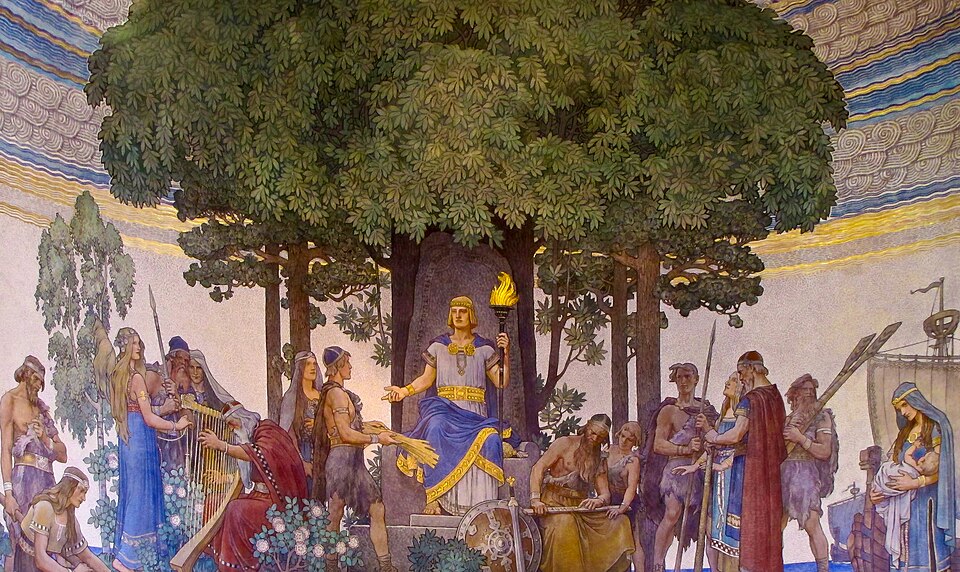
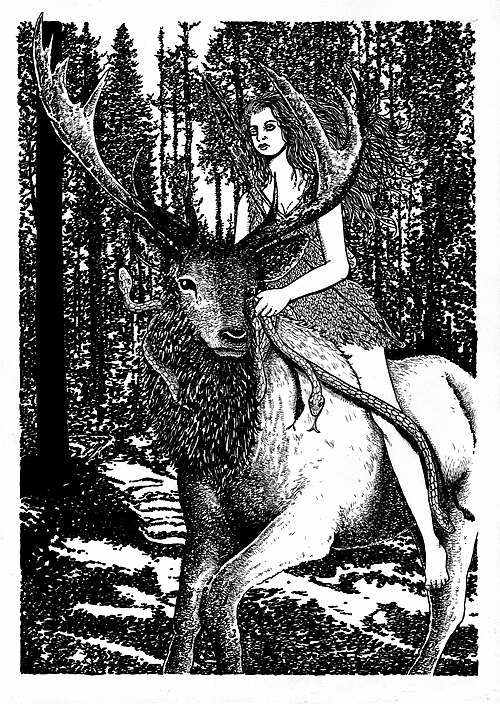
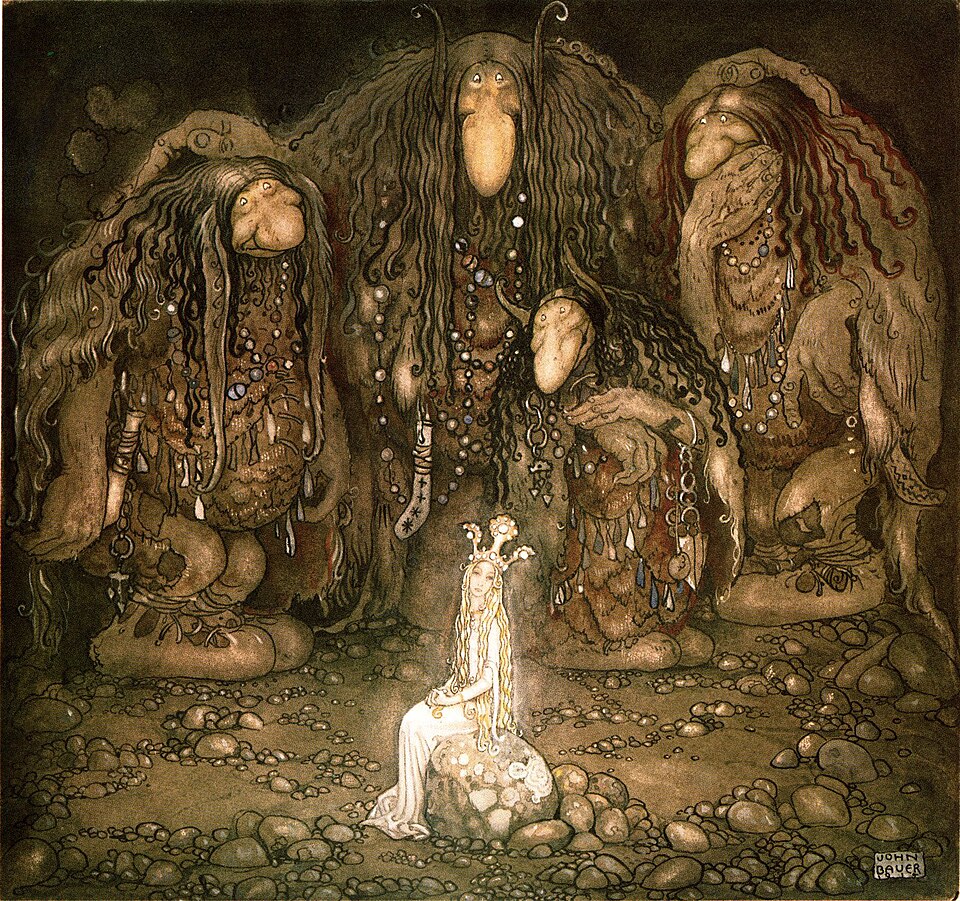
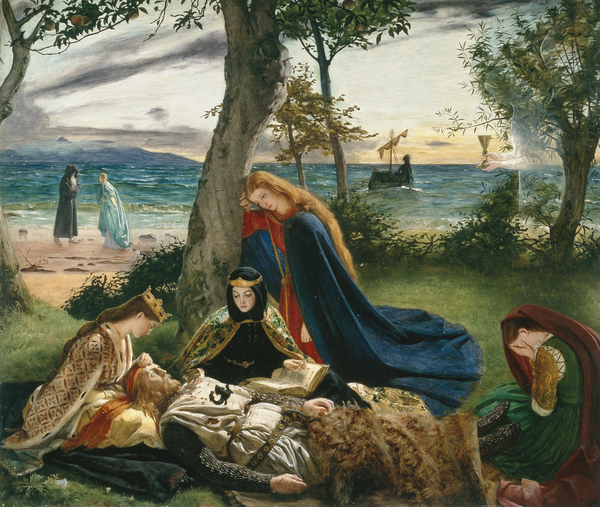
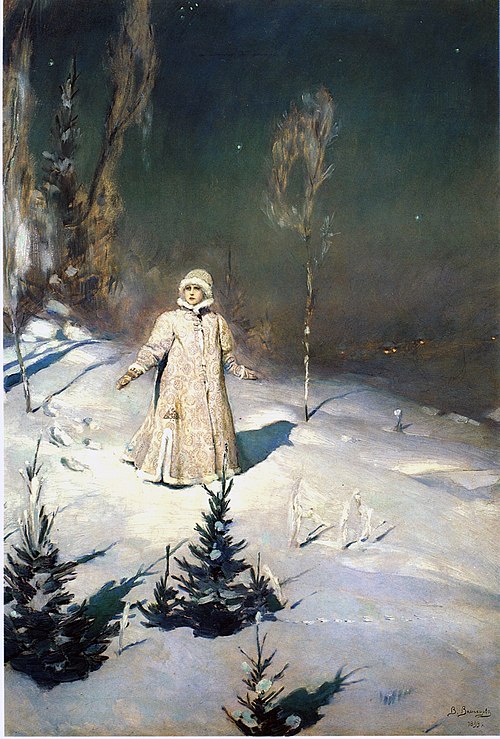
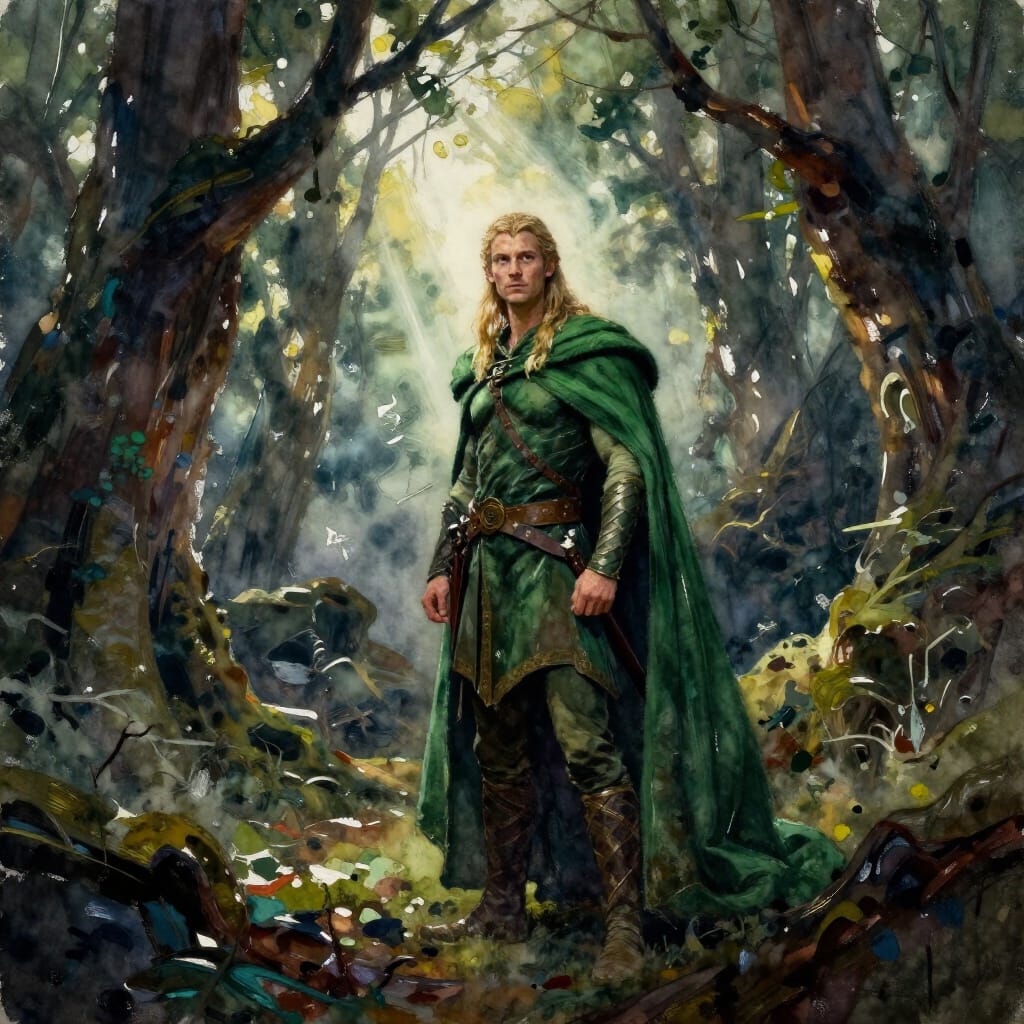
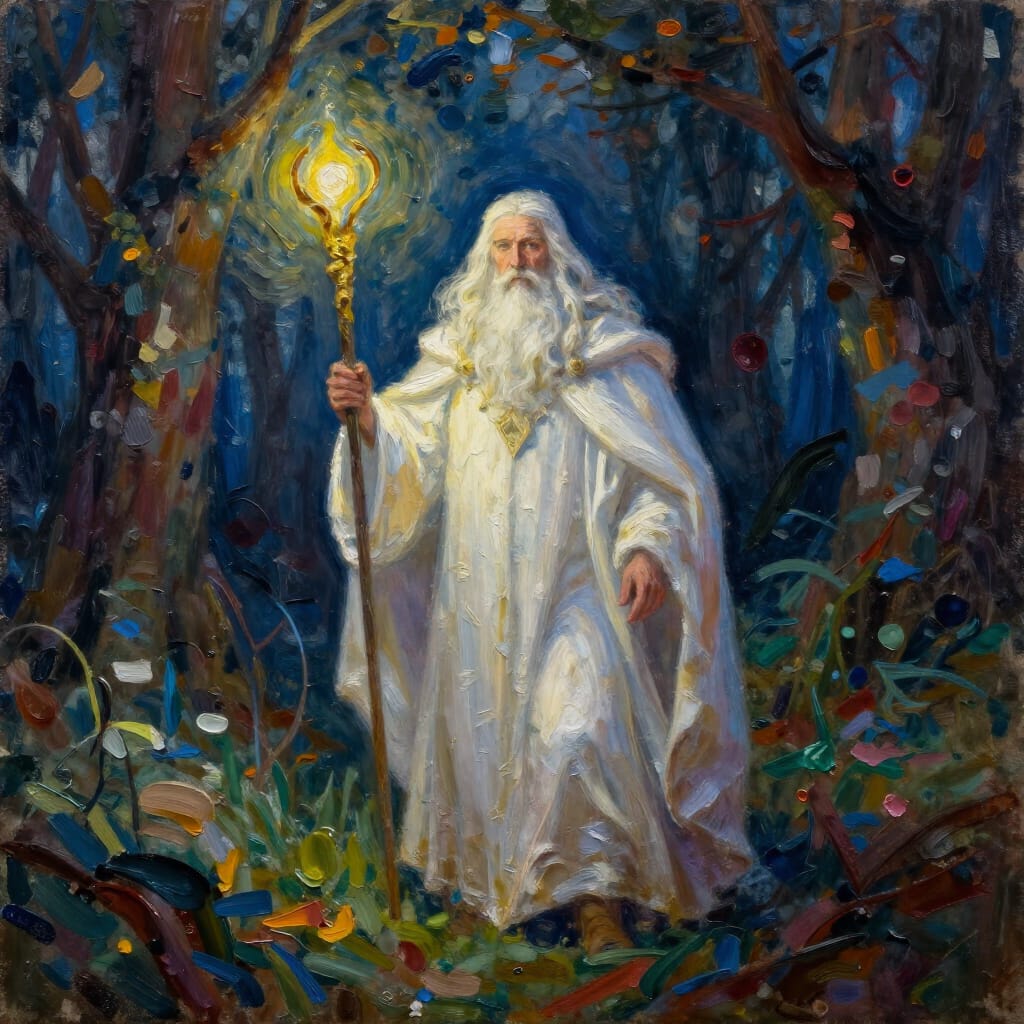
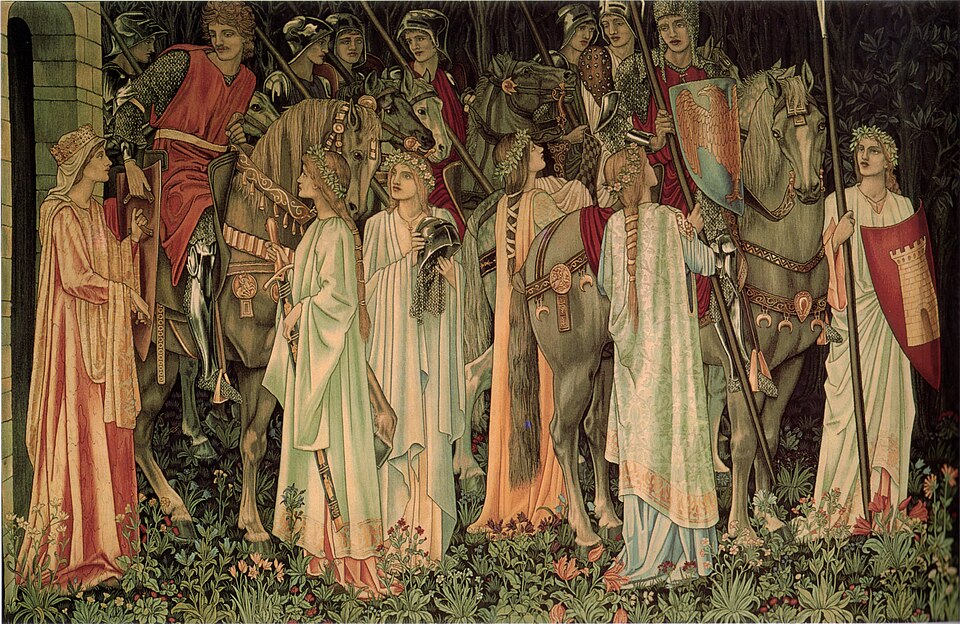
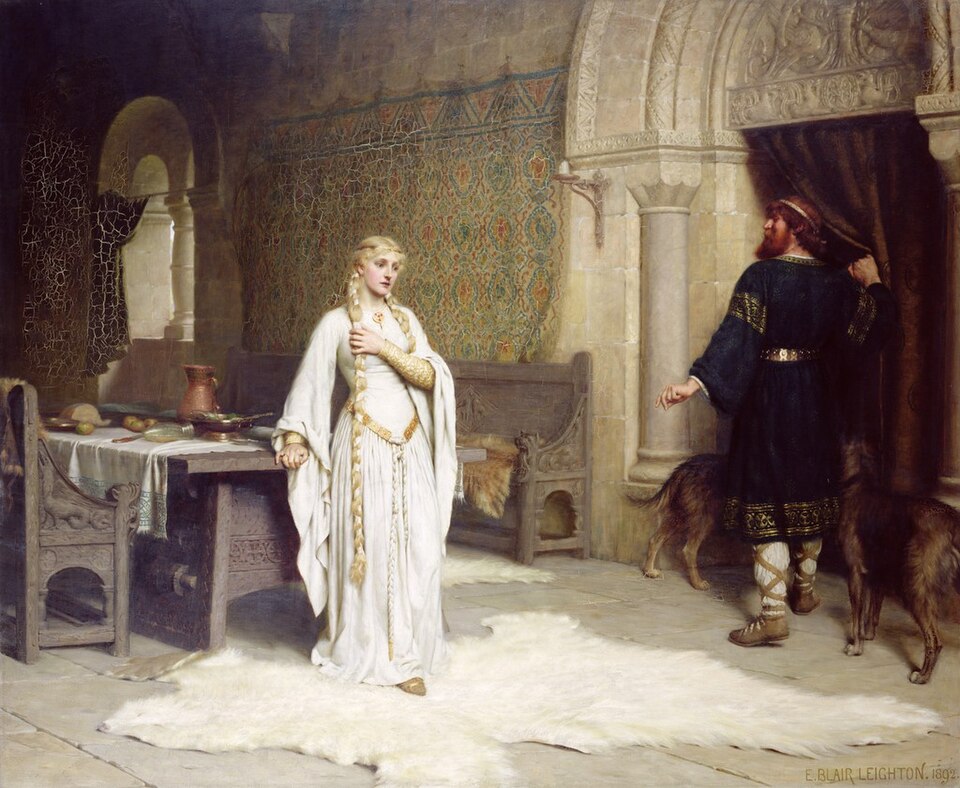
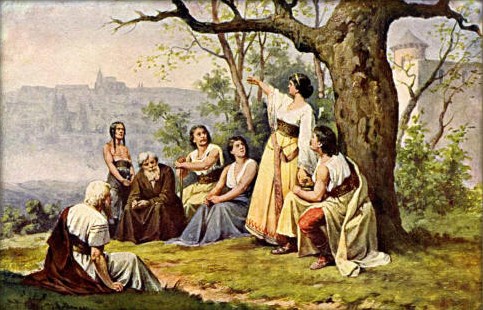
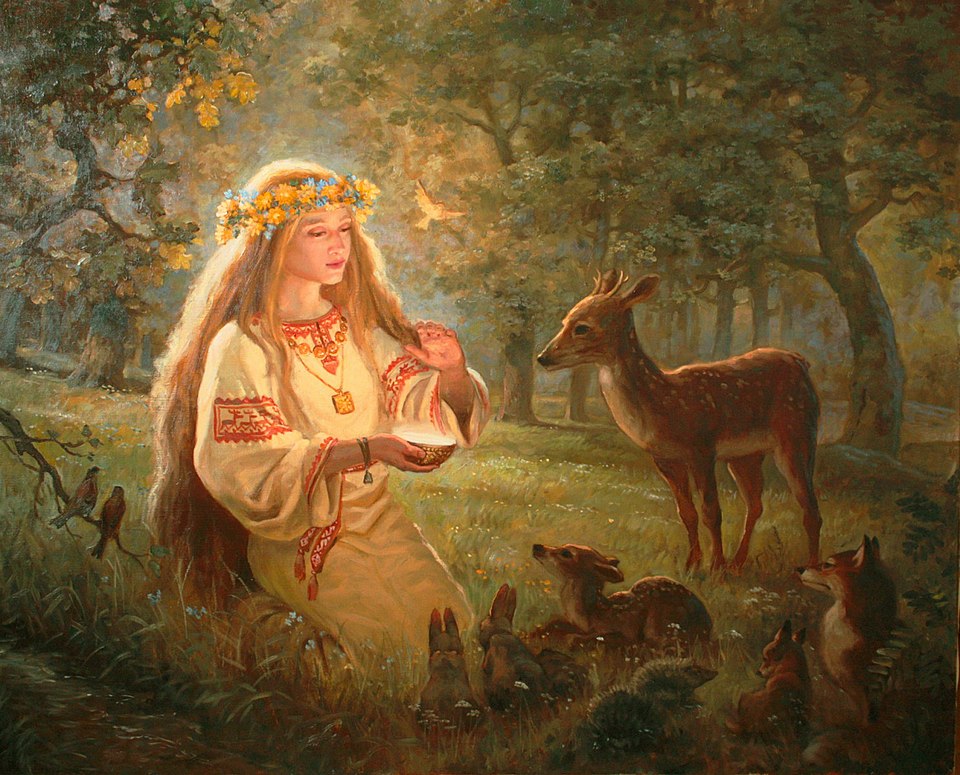
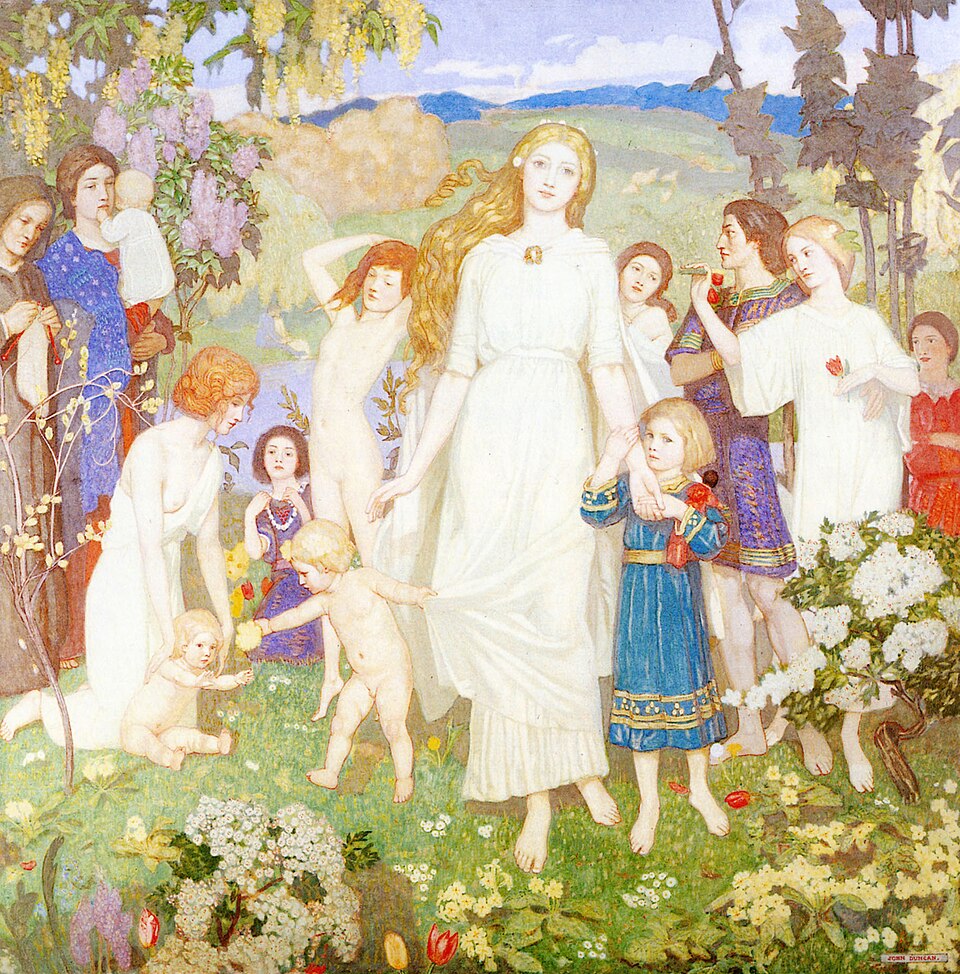
.jpg "The Tuath(a) Dé Danann or the folk of the goddess Danu, commonly known as the Tuath Dé (tribe of the gods) are a mythical race from Irish mythology. Many of them are supposed to be representations of ancient Irish Gaelic gods. The Tuath Dé are frequently portrayed as powerful monarchs, queens, dr")
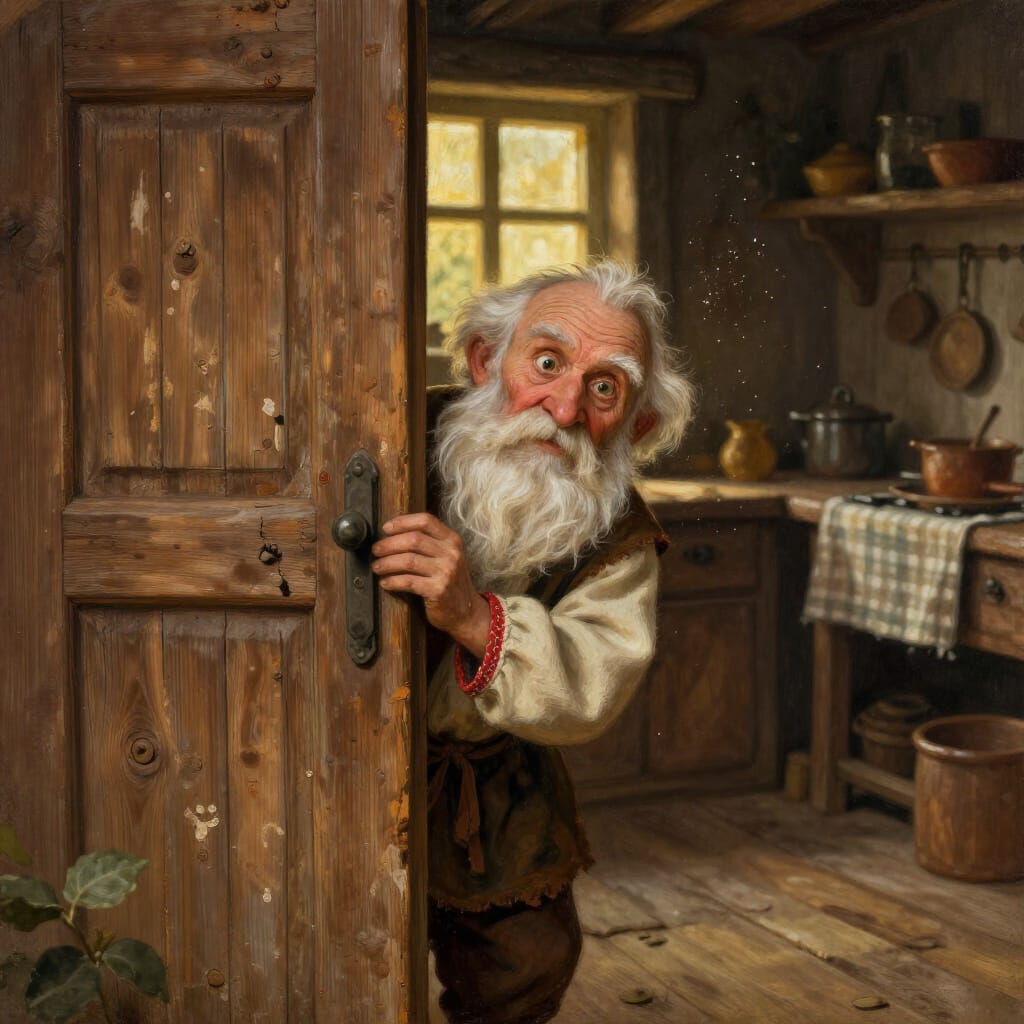
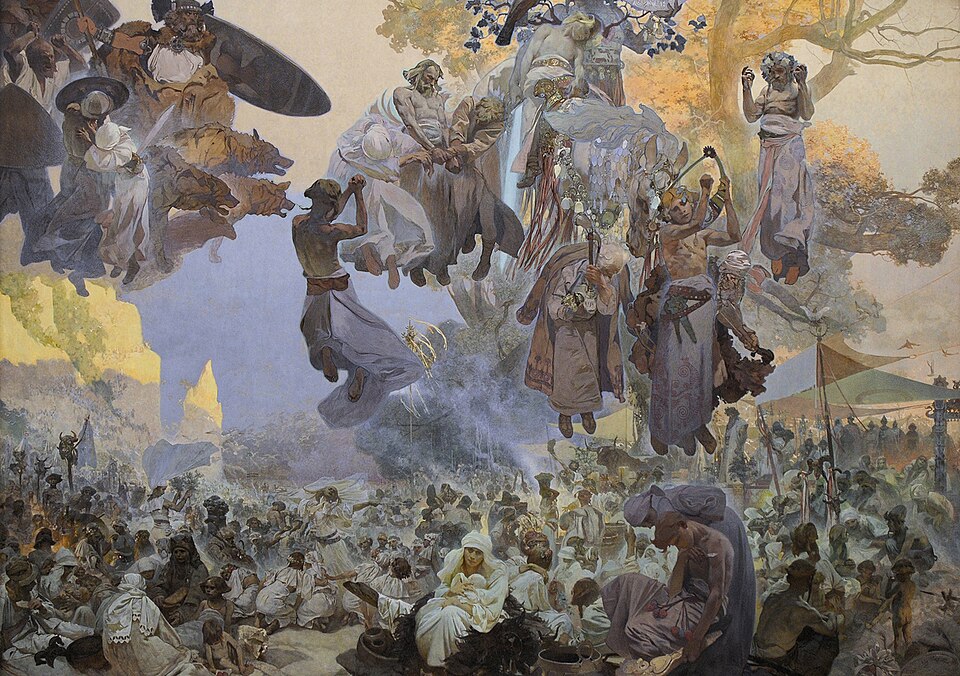
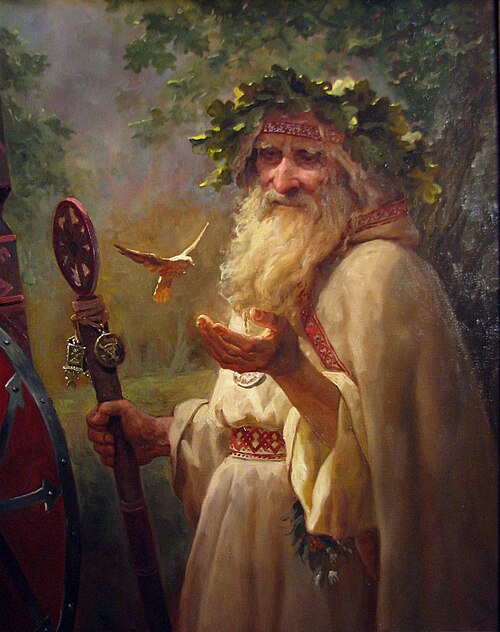
.jpg "In paganic Slavic mythology, the Leshy (also known as Leshi, Literal-Meaning from the Forest in Russian) is a patron deity of the woodlands. The deity may be tied to the Slavic deity Porewit because he governs the woods and hunting. Additionally, a deity by the name of Svyatibor is attested in the E")
Click on Images for Information
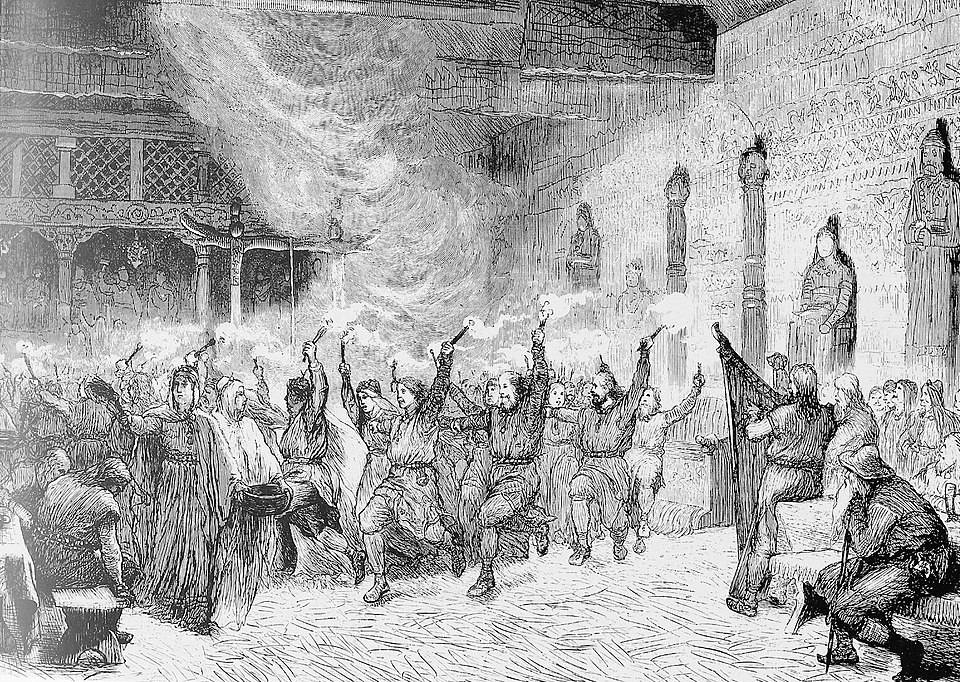
.gif "The social or Céilí dances of Ireland are very diverse not only in Ireland but also throughout the world. There might be as little as two dancers or as many as sixteen dancers in a Céilí. Céilí dances can also be performed with an infinite number of couples moving in a circle or in a continuou")
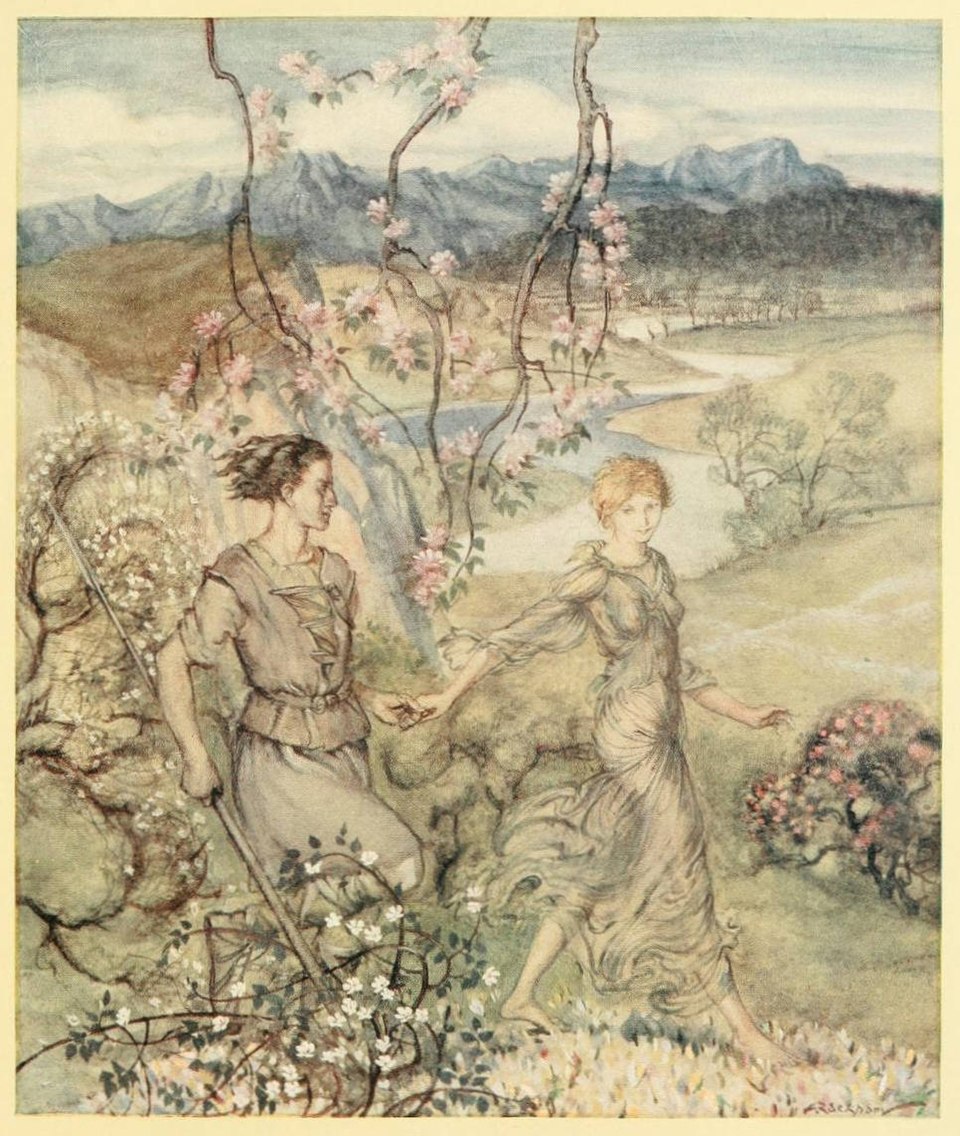
.jpg "The medieval heroic love-tale of Tristan and Iseult, also known by other names including Tristram and Isolde, has been told multiple times since the twelfth century. The story is a tragic lamentation about the forbidden love affair between the Cornish knight Tristan and the Irish princess Iseult, an")